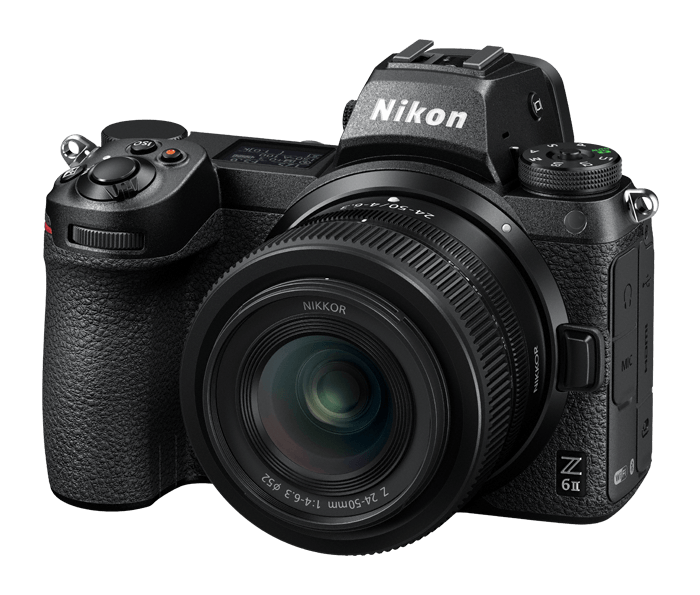
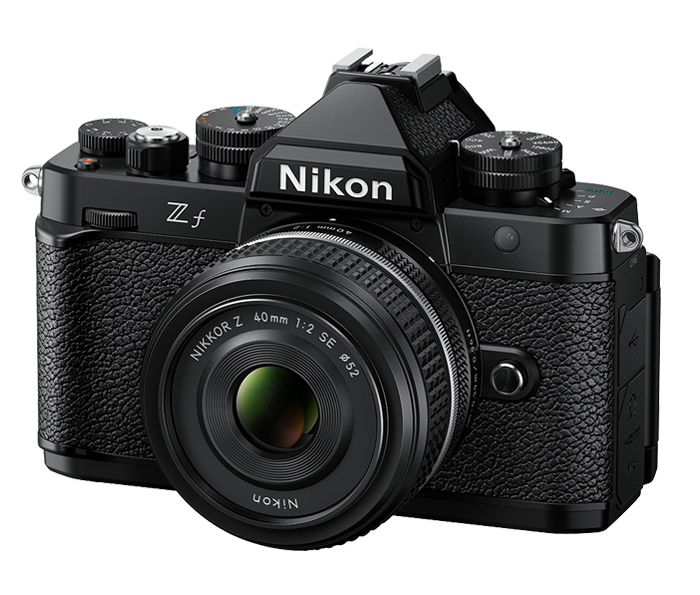
The Nikon Z6 II and the Nikon Zf are two excellent full-frame mirrorless cameras from Nikon, catering to both enthusiasts and professional photographers alike. As both cameras share a similar sensor and autofocus system, they present a compelling comparison for those looking to invest in a high-quality imaging tool. The Z6 II, released in 2020, has established itself as a solid option, while the more recent Zf, launched in 2023, introduces several enhancements that could sway potential buyers. Key differentiators include video capabilities, stabilization performance, and overall ergonomics.
Specifications Comparison
Detailed Comparison
Image Quality
Both the Nikon Z6 II and Zf feature a full-frame sensor that delivers 25 megapixels resolution, ensuring that image quality is exceptional in both cases. Users can expect impressive dynamic range and color reproduction, which are paramount for professional photography. The Z6 II offers an ISO range that can be expanded from 100 to 51200, and further extends to a maximum of 204800, providing ample flexibility for low-light shooting conditions. The Zf matches this in terms of pixel count and ISO reach, producing similarly outstanding results. However, certain differences in noise control could be perceived in practical scenarios, particularly in very low-light conditions where the Z6 II has a more established track record. Overall, both cameras perform exceptionally well in diverse lighting conditions, making this a tie.
Autofocus System
Both cameras are equipped with a 273-point autofocus system, offering fast and accurate focus acquisition, which is essential for a variety of shooting situations, from portraits to action shots. The Z6 II's autofocus system has been well-tested and has proven reliable in real-world situations, particularly in tracking subjects in motion. The Zf, leveraging advancements in technology, offers enhancements that significantly improve subject tracking accuracy and speed. Additionally, both models incorporate eye-detection autofocus, boosting their capability for portrait photography. Nevertheless, due to the ongoing refinements in the Zf, it slightly edges out in terms of advanced autofocus features, making it the winner in this category.
Video Capabilities
When it comes to video recording, the Z6 II supports 4K video at 30 frames per second, which is suitable for many videographers. However, the Zf takes a noticeable leap by enabling users to shoot 4K at up to 60 frames per second, providing greater options for high-quality video production with smoother motion. Moreover, the Zf benefits from improved thermal management features, allowing for extended recording times without overheating, a crucial consideration for video professionals. Due to its enhanced video capabilities, the Zf emerges as the clear winner in this category.
Build & Ergonomics
In terms of build quality, both cameras are constructed to withstand rugged use, featuring weather sealing that adds to their durability. The Z6 II is slightly more compact, weighing 705 grams, whereas the Zf comes in at 710 grams and is a bit bulkier in dimensions. This marginal difference might not be significant for many users, but it may appeal to those who prioritize a smaller footprint in their gear. On the other hand, some users may find the Zf's design more appealing due to its modern aesthetic and improved grip. Still, the comfort of use may largely depend on personal preferences, resulting in a tie for ergonomics.
Battery & Storage
The Nikon Z6 II offers a battery life rated at approximately 410 shots, while the Zf's battery can shoot around 380 shots per charge. In terms of everyday usability, this difference may not be substantial, allowing both models to perform adequately on long shooting days. Additionally, both cameras utilize the same Nikon Z mount and are compatible with the same memory cards (XQD and CFexpress), which means users transitioning from one model to the other will experience seamless transition. Taking everything into account, there's no clear winner here, thus resulting in a tie.
Value for Money
As both cameras are priced closely, with the Z6 II at $1995 and the Zf slightly higher at $1999, potential buyers are left to weigh the features against their budgets. The Z6 II has established itself as a dependable choice for many photographers, with a strong track record in both stills and video. However, the Zf brings newer technology and enhanced features that justify its price point for buyers seeking the latest advancements. Thus, while both present excellent value in their own right, the Zf may offer slightly better value for those prioritizing newer technology and video capabilities.
Lens Ecosystem
Both the Z6 II and Zf utilize the Nikon Z mount, giving users access to an expanding ecosystem of lenses that provide various focal lengths and apertures suitable for different photographic styles. Since both models support the same range of native lenses and plenty of F-mount options through adapters, users are likely to find a lens that meets their specific needs regardless of their chosen model. Consequently, this feature results in a tie since both cameras enjoy the same advantages regarding their lens options.
Our Verdict
In conclusion, while both the Nikon Z6 II and Zf have their strengths, the Zf emerges as the overall winner due to its superior video capabilities, enhanced autofocus system, and slight advancements in modern technology. The Z6 II remains a formidable contender, particularly regarding its proven performance and reliability, making it a great choice for those who prioritize stills over video. Buyers wanting cutting-edge features and enhanced video performance should opt for the Zf, while those who prefer a well-established model for photography might find the Z6 II more aligned with their needs.
Nikon Z6 II
Nikon Zf
Also Compare
Frequently Asked Questions
What are the major differences in video capabilities?
The Nikon Zf offers 4K video recording at up to 60 fps, compared to the Z6 II's 4K at 30 fps, making the Zf a better choice for videographers.
Is the autofocus performance better on the Zf?
Yes, the Zf has improvements in subject tracking accuracy and speed, providing enhanced autofocus performance over the Z6 II.
How do the battery lives compare?
The Z6 II offers a slightly better battery life of around 410 shots compared to the Zf's 380 shots, though both are generally reliable.
Which camera is better for low-light photography?
Both cameras perform similarly well with their comparable ISO ranges, but the Z6 II has a more established reputation in low-light conditions.
What kind of users would benefit most from the Zf?
The Zf is ideal for those who prioritize the latest technology, enhanced video features, and upgraded autofocus capabilities, particularly in dynamic environments.