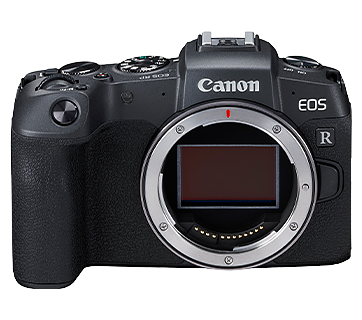
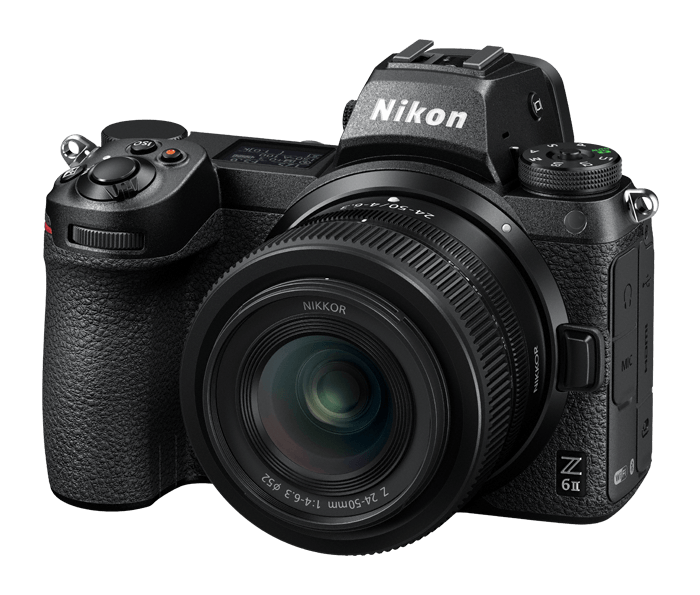
The Canon EOS RP and Nikon Z6 II are two prominent full-frame mirrorless cameras that cater to both photography enthusiasts and professionals. Given their relatively close price points and specifications, they are often directly compared by potential buyers looking to invest in a versatile camera system. Key differentiators that might influence a purchase decision include sensor performance, autofocus capabilities, video features, and overall system ergonomics, making these two models frequently come up in discussions.
Specifications Comparison
Detailed Comparison
Image Quality
Both the Canon EOS RP and Nikon Z6 II utilize full-frame sensors, providing excellent image quality, yet they exhibit slight variations that can affect end-user experience. The EOS RP features 26 megapixels, allowing for detailed images and good cropping flexibility, while the Z6 II comes with 25 megapixels. This minor difference is nearly negligible in practical use, but the Z6 II's ISO range extends to 204800, providing better performance in extreme low-light conditions compared to the RP which tops at 102400. Moreover, the Z6 II tends to produce images with greater dynamic range and better high ISO performance, making it more suitable for professional applications in varying lighting conditions. Thus, while both cameras deliver superb results, the higher ISO and dynamic range advantage point towards Nikon.
Autofocus System
In terms of autofocus, the Canon EOS RP features a robust Dual Pixel AF system with 4779 autofocus points, which allows for precise tracking and smooth performance during photography and videography. Its focus is highly effective in various lighting conditions and supports face and eye detection, making it comfortable for portrait shots. In contrast, the Nikon Z6 II has 273 autofocus points but employs an advanced hybrid autofocus system that excels in fast load times and low-light conditions. With the Z6 II's superior tracking capabilities and faster acquisition speeds, particularly with moving subjects, it provides a more reliable autofocus experience for dynamic shooting scenarios. Consequently, while Canon's system is commendable, the superior performance of Nikon wins this round.
Video Capabilities
When it comes to video capabilities, both cameras offer 4K recording but with varying specifications. The Canon EOS RP can shoot 4K at 24 frames per second, which may be sufficient for casual video creators. However, it has a significant crop factor in 4K mode that can restrict creativity. In comparison, the Nikon Z6 II allows for 4K recording at 30 frames per second without a crop, leading to a wider field of view and smoother motion capturing. Additionally, the Z6 II supports 10-bit N-Log output via HDMI for higher-quality recordings, which is an essential feature for professionals needing extensive post-production capabilities. Given these advanced video features, the Nikon Z6 II takes the lead in this category.
Build & Ergonomics
In terms of build quality, the Nikon Z6 II has a slight edge due to its weather-sealed design, making it a more favorable option for outdoor and challenging shooting conditions. The Canon EOS RP, while well-constructed, does not feature weather-sealing, which may be an important consideration for some buyers. Furthermore, although the RP is lighter at 485g compared to the Z6 II's 705g, this difference in weight may not be substantial enough to deter users from considering the more robust Nikon. Additionally, the Z6 II has a larger 3.2-inch touchscreen with 2,100,000 dots compared to the RP's 3-inch screen with 1,040,000 dots, offering better clarity for composing shots. Overall, the Nikon Z6 II's additional weather resistance and user interface improvements provide a better overall ergonomics experience, especially for those often in the field.
Battery & Storage
Battery life is another key factor separating the Canon EOS RP and Nikon Z6 II. The RP offers around 250 shots per charge, which could necessitate carrying extra batteries during longer shooting sessions. Conversely, the Z6 II delivers a significantly improved battery life of up to 410 shots, making it more reliable for prolonged use in various shooting environments. Both cameras use dual card slots, but the Z6 II has the added advantage of accommodating both CFexpress and SD UHS-II cards, providing greater flexibility and speed, while the RP only supports SD UHS-II cards. With these considerations in mind, the Z6 II clearly outperforms in battery and storage, thus being better suited for extended shooting.
Value for Money
Price is a vital consideration for many buyers. The Canon EOS RP is priced at $1,299, making it an attractive option for entry-level users seeking a full-frame experience without breaking the bank. Its lower cost can be particularly appealing for casual photographers or those just entering the full-frame mirrorless market. In contrast, the Nikon Z6 II is priced at $1,995, reflecting its advanced features and performance advantages. While it may be a bigger investment, for professionals or serious enthusiasts seeking more advanced capabilities and better reliability, it presents a compelling longer-term value. To summarize, while the EOS RP offers a more budget-friendly choice, the Z6 II provides a greater feature set for its price.
Our Verdict
Overall, while the Canon EOS RP offers excellent value and is ideal for those looking for an entry-level full-frame camera, the Nikon Z6 II outshines in crucial areas such as autofocus, video capabilities, and build quality. The Z6 II's advanced features make it better suited for professionals and serious enthusiasts, particularly those frequently working in challenging conditions. Buyers must weigh their budget against the desired features to make an informed decision.