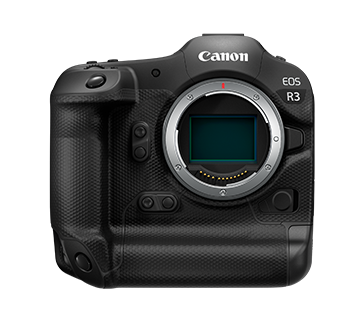
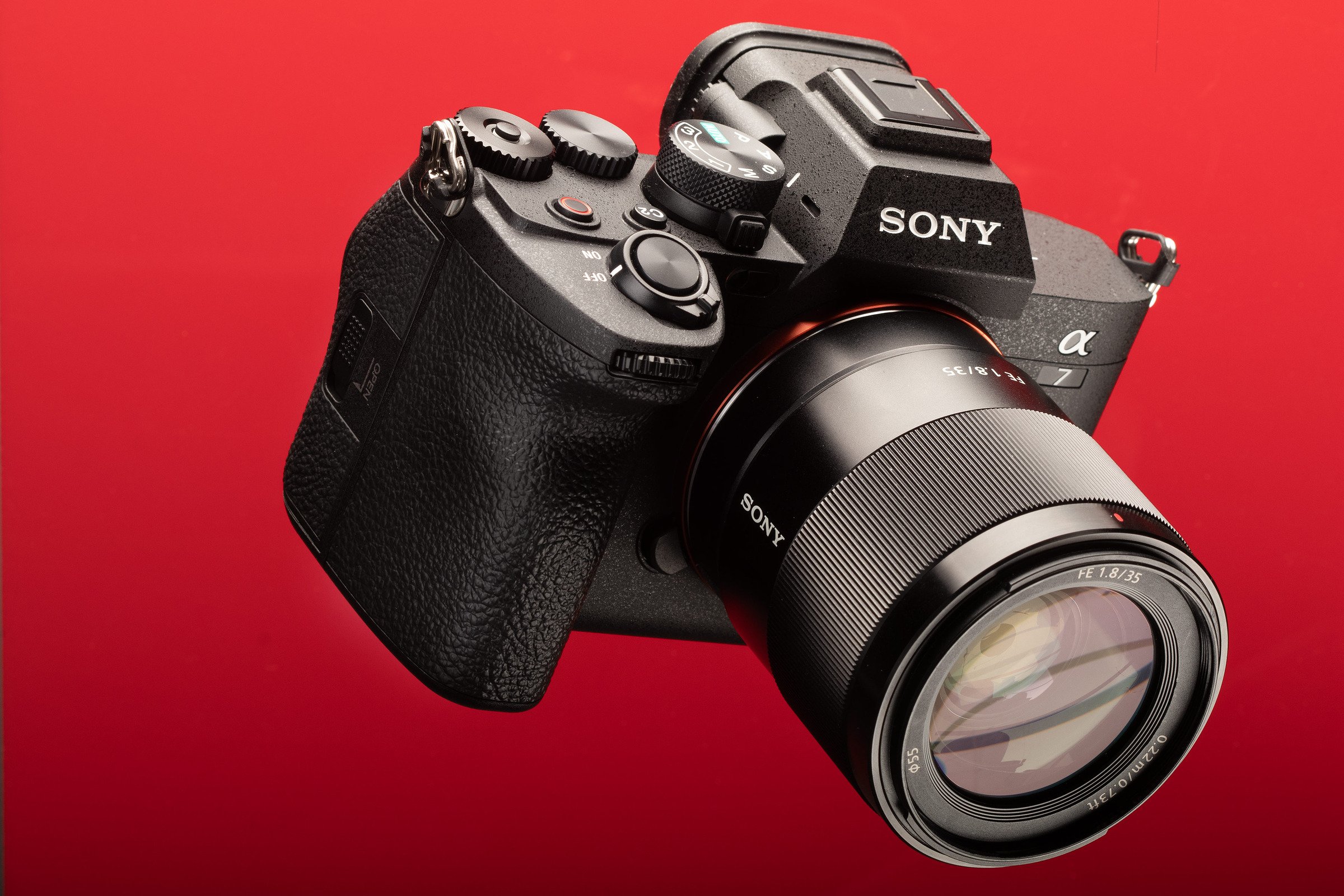
The Canon EOS R3 and the Sony A7 IV are two of the most sought-after mirrorless full-frame cameras on the market, each known for its robust performance and cutting-edge technology. Photographers and videographers alike often find themselves comparing these two models due to their similar release year and target audience, which includes professionals and enthusiasts who demand exceptional image quality and versatility. The Canon EOS R3 is particularly favored in sports and wildlife photography with its high-speed capabilities, while the Sony A7 IV appeals to a broader audience with its higher resolution and affordability.
Specifications Comparison
Detailed Comparison
Image Quality
When it comes to image quality, both the Canon EOS R3 and the Sony A7 IV utilize full-frame sensors but differ in resolution and overall dynamic range. The Canon EOS R3 features a sensor resolution of 24 megapixels, which can be suited for high-speed photography where file size and speed are a concern, especially in burst shooting scenarios. However, the lower resolution may not capture as much detail in situations where cropping is necessary.
On the other hand, the Sony A7 IV boasts a 33-megapixel sensor, allowing for greater detail capture and more flexibility in post-processing. Photographers who prioritize high-resolution images for large prints or heavy cropping might lean towards the A7 IV. It also offers excellent dynamic range, making it effective in high-contrast scenes.
In real-world usage, both cameras perform admirably, but the differences in pixel count and detail retention at high ISO settings can be noticeable. The Canon's ISO performance expands significantly, allowing a usable low-light range, which could tip the scales for some practitioners depending on their shooting context.
Autofocus System
The autofocus systems on the Canon EOS R3 and Sony A7 IV each employ advanced technology to achieve sharp focus across various shooting situations. The R3 comes equipped with an impressive 1,053 autofocus points, ensuring superior tracking capabilities, especially during high-speed photography. This can be particularly beneficial for fast-moving subjects typical in sports or wildlife photography, where the ability to lock onto and track subjects is paramount.
Contrastingly, the Sony A7 IV, with its 759 autofocus points, also delivers rapid and accurate focusing but might slightly fall behind in hyper-competitive scenarios. Nevertheless, its real-time eye autofocus and reliable face detection offer exceptional performance for portraits and events, making it very versatile in various contexts.
Both cameras utilize sophisticated algorithms for subject tracking, and while the R3 edges out in terms of points and tracking speed, both systems are known to excel, making it a close call in most hands-on use cases. While the Canon may provide an edge for specific high-paced shooting requirements, the A7 IV remains formidable for general photography and video.
Video Capabilities
Video performance is a crucial factor for many shooters, and both the Canon EOS R3 and Sony A7 IV offer impressive features. The Canon R3 supports 4K recording up to 120 frames per second, which should satisfy even the most demanding videographers looking for high frame rates and smooth slow-motion capability. Its robust heat dissipation technology also enables longer recording times without overheating, making it a preferred choice for serious video work.
In contrast, the Sony A7 IV is capable of 4K video recording but is limited to 60 frames per second. This might be sufficient for many users; however, the R3's higher frame rate adds versatility for creative control in editing, especially for those focussed on high-intensity action or sports filming. Additionally, both devices support high dynamic range and log profiles, boosting their capabilities for post-production grading.
Overall, the R3 provides slightly better specifications for video due to higher frame rates and longer recording capabilities, while the A7 IV remains an excellent choice for amateur and semi-professional video shooters. The R3 leads here due to its more robust video specifications.
Build & Ergonomics
In terms of build quality and ergonomics, both the Canon EOS R3 and Sony A7 IV present weather-sealed designs, ensuring durability against various environmental conditions, which is crucial for outdoor photographers. With robust builds, both cameras feel substantial in hand, although the EOS R3 is heavier at 1015 grams compared to the A7 IV's 659 grams, making the latter a more portable option for extended shoots.
The dimensions also reflect this difference; the R3 is bulkier, which could provide a more secure grip, especially for those using larger lenses for heavy-duty professional work. Meanwhile, the A7 IV, being smaller and lighter, may appeal to travel photographers and videographers looking for a more compact kit without sacrificing performance.
Overall, while both cameras offer excellent build quality, the subjective preferences for handling and weight will vary. Those who prioritize portability may favor the A7 IV, while users requiring a more solid grip with heavier lenses might lean towards the R3.
Battery & Storage
When it comes to battery life, the Canon EOS R3 offers an impressive 760 shots per charge, pushing it towards the top of its class. This makes the R3 a strong candidate for those who may be shooting long events or without the opportunity for frequent stops to change batteries. The A7 IV, while still capable, comes in at 580 shots per charge, which might be less optimal for extended shoots.
Both cameras utilize similar storage avenues with dual card slots, ensuring flexibility and redundancy during shoots. The R3's use of CFexpress cards provides faster write speeds, which is especially beneficial for high-burst shooting or 4K at higher bit rates. The A7 IV, with its dual SD slots, offers a more universally compatible and economical storage solution.
For users whose work demands maximum battery performance and speed, the R3 excels with its superior battery life and faster storage media, which could be a decisive factor for professional applications.
Value for Money
The price difference between the Canon EOS R3 at $5,999 and the Sony A7 IV at $2,499 is significant and greatly influences their value proposition. The A7 IV provides a strong mix of performance, capability, and excellent image quality at a much lower entry point. It also offers robust features that cater to a wide range of photography needs, which makes it an appealing option for enthusiasts and those on a budget.
In contrast, the R3, with its higher price, targets professionals who require advanced features such as incredible autofocus, high-speed performance, and extended battery life-elements that are crucial in demanding environments. Buyers must consider their own shooting needs when assessing value; the R3 may justify its price for those who need cutting-edge technology and enhanced performance.
Ultimately, while the R3 offers top-tier features suitable for professionals, the A7 IV gives a more accessible yet capable option for a broader audience. The value for money heavily favors the A7 IV in typical circumstances.
Our Verdict
Overall, the Canon EOS R3 comes out as the winner, particularly for professionals seeking unparalleled speed, battery life, and advanced autofocus systems crucial for high-paced photography and video work. However, the Sony A7 IV is a formidable contender with its higher resolution, versatility, and significantly lower price point, making it an excellent investment for enthusiasts and those focusing on general photography and noticeably less demanding video projects. Each camera has its strengths, allowing buyers to choose based on specific needs and budget considerations.
Canon EOS R3
Sony A7 IV
Also Compare
Frequently Asked Questions
Which camera is better for sports photography?
The Canon EOS R3 is better for sports photography due to its faster burst shooting at 30 fps and superior autofocus system with 1,053 points.
How do these cameras perform in low light?
The Canon EOS R3 has a broader ISO range, making it perform slightly better in low light conditions, although both cameras can handle high ISO well.
Is the Sony A7 IV a good choice for videographers?
Yes, the Sony A7 IV is a solid choice for videographers as it supports 4K 60p video and offers great image quality, though it lacks the higher frame rates of the R3.
Which camera has better battery life?
The Canon EOS R3 has better battery life, rated at 760 shots per charge compared to 580 shots for the Sony A7 IV.
What is the main advantage of the Canon EOS R3 over the Sony A7 IV?
The main advantage of the Canon EOS R3 is its high-speed capabilities, advanced autofocus, and battery performance, making it ideal for professional users.