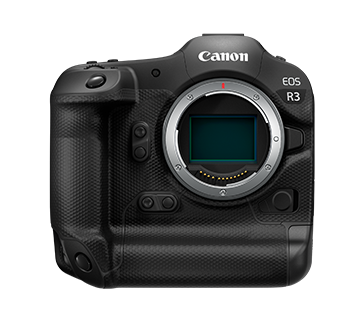
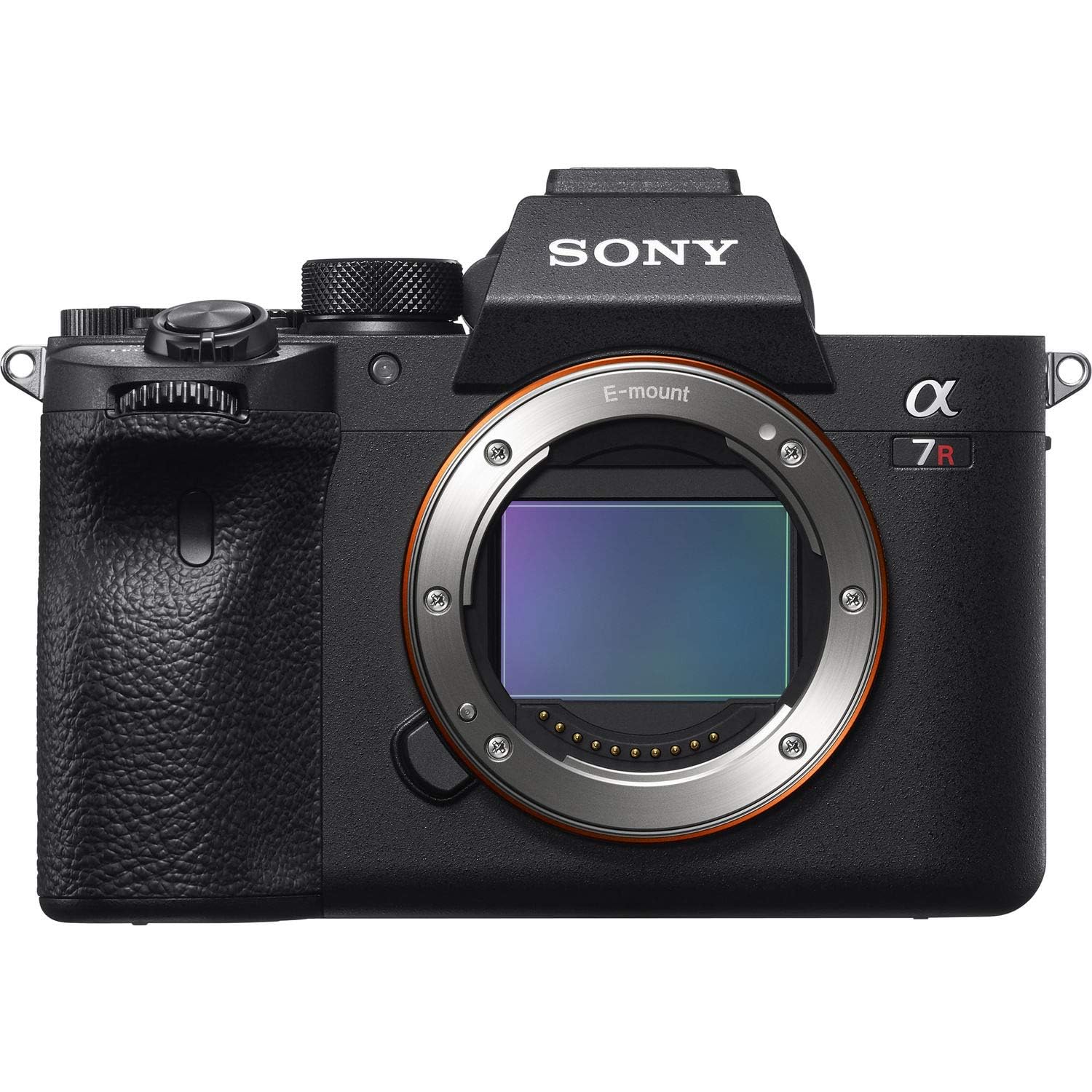
The Canon EOS R3 and Sony A7R IV are two high-performance full-frame mirrorless cameras that appeal to professional photographers and serious enthusiasts alike. These cameras often find themselves in direct competition, particularly among those who prioritize high image quality, advanced autofocus systems, and versatile video capabilities. Buyers may be considering one over the other based on their specific needs-be it portrait, landscape, wildlife photography, or videography. This comparison hinges on key differentiators such as sensor resolution, autofocus technology, video functionalities, and overall ergonomics, which can greatly influence purchasing decisions.
Specifications Comparison
Detailed Comparison
Image Quality
When it comes to image quality, the Sony A7R IV takes the lead with its impressive 61-megapixel sensor, providing greater detail and cropping flexibility compared to the Canon EOS R3's 24-megapixel sensor. The A7R IV is particularly well-suited for landscape and studio photographers who require the ability to produce large prints or heavily crop images without sacrificing resolution. Both cameras perform excellently in terms of color accuracy and dynamic range; however, the higher pixel count of the A7R IV tends to benefit more in studio conditions, where capturing extensive detail is vital.
While the EOS R3 has fewer megapixels, it compensates with superior low-light performance, as evidenced by its extended ISO range of 100 to 102400 (expandable to 204800). This allows the EOS R3 to excel in challenging lighting scenarios, providing cleaner images at high ISO settings, which can be critical for events and sports photography. Ultimately, the choice here largely depends on the photographer's requirements for pixel density versus low-light capability. Both cameras offer excellent image quality, but their strengths lie in different areas.
In summary, while the A7R IV leads in resolution, the EOS R3 holds its ground favorably in low-light situations, making image quality a nuanced consideration.
Autofocus System
Autofocus systems are critical for achieving sharp images, especially in dynamic shooting conditions. The Canon EOS R3 has a significant advantage with its 1053 autofocus points, which cover a large area of the frame. This extensive coverage is particularly beneficial for tracking fast-moving subjects in wildlife and sports photography. Additionally, the EOS R3's autofocus features advanced subject detection that includes people and animals, further enhancing its tracking capabilities.
In contrast, the Sony A7R IV, while offering a robust autofocus system with 567 points, does not match the speed and precision of the EOS R3's system for high-speed photography. The A7R IV delivers solid performance in most scenarios, but in situations requiring high frame rates and rapid subject tracking, the Canon's system often outperforms it. Therefore, sports and action photographers may find the EOS R3's system to be more suitable for their needs.
Ultimately, while both systems are built for exceptional performance, the EOS R3's autofocus technology and point count cater more effectively to fast-paced environments, asserting its dominance in this category.
Video Capabilities
In terms of video capabilities, the Canon EOS R3 is a clear winner due to its impressive ability to record 4K video at up to 120 frames per second. This high frame rate opens new creative avenues for filmmakers, allowing for smooth slow-motion footage that is especially appealing for sports and action videography. Additionally, the R3 maintains 10-bit 4:2:2 internal recording, further enhancing the flexibility of post-production color grading.
On the other hand, the Sony A7R IV is limited to 4K at 30 frames per second, which, while still providing excellent video quality, does not offer the same versatility for high-speed shooting. The A7R IV also records in 8-bit, which can limit post-processing options compared to the Canon's capabilities. Thus, filmmakers and content creators looking for higher frame rates and more robust video features will undoubtedly lean towards the EOS R3.
Both cameras provide rich video features, but the R3's ability to shoot at 120 fps gives it a significant edge in dynamic video production scenarios.
Build & Ergonomics
Both the Canon EOS R3 and Sony A7R IV feature sturdy weather-sealed bodies designed to withstand the rigors of professional use. The EOS R3 is heavier, weighing in at 1015 grams compared to the A7R IV's 665 grams. This allows for a more robust feel in the hand, which some photographers may prefer, especially when using larger lenses. The larger dimensions of the R3 also accommodate a more substantial grip, making it comfortable for extended shooting sessions.
Conversely, the A7R IV's lighter weight and compact design enhance portability, making it a favorite among travel photographers and those who prefer a less burdensome kit. However, the trade-off here is that some users might find the grip on the A7R IV less comfortable during extended shoots or when using heavier lenses.
Overall, while the EOS R3 may offer a more professional build aimed at heavy-duty use, the A7R IV's lighter frame caters well to mobile shooting, striking a balance between comfort and durability.
Battery & Storage
Battery life plays an essential role in the usability of any camera, especially for professional photographers who may need to shoot for extended periods without interruption. The Canon EOS R3 boasts an impressive battery life, rated at approximately 760 shots per charge, offering more shooting time than the Sony A7R IV, which is rated for about 670 shots. This difference can be significant during long events, making the R3 a better option for those situations.
Both cameras utilize LP-E19 and NP-FZ100 batteries, respectively, with the R3's battery life indicating a strong performance in demanding environments. Furthermore, both systems support dual card slots, enhancing storage flexibility and redundancy, which is crucial for professionals worried about losing important data during shoots.
Overall, while both cameras provide ample battery life, the EOS R3's slight edge could prove beneficial for users who demand prolonged performance without interruption.
Value for Money
When considering value for money, the Canon EOS R3 comes with a price tag of $5999, significantly higher than the A7R IV's $3500. This pricing places the R3 in a premium category, aimed at professionals who require top-tier performance and advanced features. The price reflects the R3's superior autofocus capabilities and video performance, which may justify the additional cost for many users.
In contrast, the Sony A7R IV, while less expensive, still represents an attractive value for those needing high-resolution images, particularly suitable for landscape, portrait, and studio photographers. This lower price point makes it more accessible for enthusiasts who do not require the R3's extensive feature set but still want professional-grade image quality.
In summary, while the R3 targets high-end users willing to invest more for advanced features, the A7R IV offers remarkable value for those focused on resolution and still desire a capable camera. The decision here will hinge on the specific requirements of the user and their budget.
Our Verdict
Overall, while the Sony A7R IV excels in resolution and offers a more budget-friendly option, the Canon EOS R3 is the better choice for professionals who prioritize advanced autofocus performance and high-speed video capabilities. Photographers focusing on fast-moving subjects will appreciate the R3's superior tracking and battery performance, making it ideal for sports and action photography. However, for those who primarily capture high-resolution images in a studio or landscape setting, A7R IV remains an outstanding value, delivering excellent image quality without the investment required for the R3.
Canon EOS R3
Sony A7R IV
Also Compare
Frequently Asked Questions
Which camera is better for sports photography?
The Canon EOS R3 is better for sports photography due to its superior autofocus system with more points and higher continuous shooting speeds.
Is the Sony A7R IV good for landscape photography?
Yes, the Sony A7R IV is excellent for landscape photography thanks to its high resolution of 61 megapixels, allowing for detailed images and the ability to crop without compromising quality.
How does low-light performance compare?
The Canon EOS R3 has an advantage in low-light performance, with a wider ISO range that provides cleaner images at higher ISO settings compared to the Sony A7R IV.
What are the benefits of each camera for video work?
The Canon EOS R3 offers superior video performance with up to 120 fps at 4K, making it ideal for action footage, while the Sony A7R IV is limited to 30 fps but still provides excellent quality for general videography.
Which camera has better battery life?
The Canon EOS R3 has slightly better battery life, rated for 760 shots compared to 670 shots for the Sony A7R IV, making it advantageous for extended shooting.