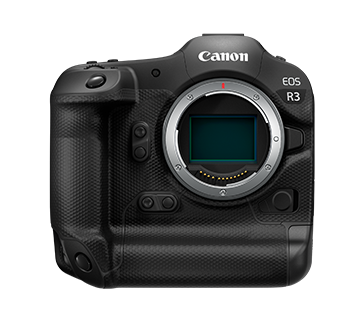
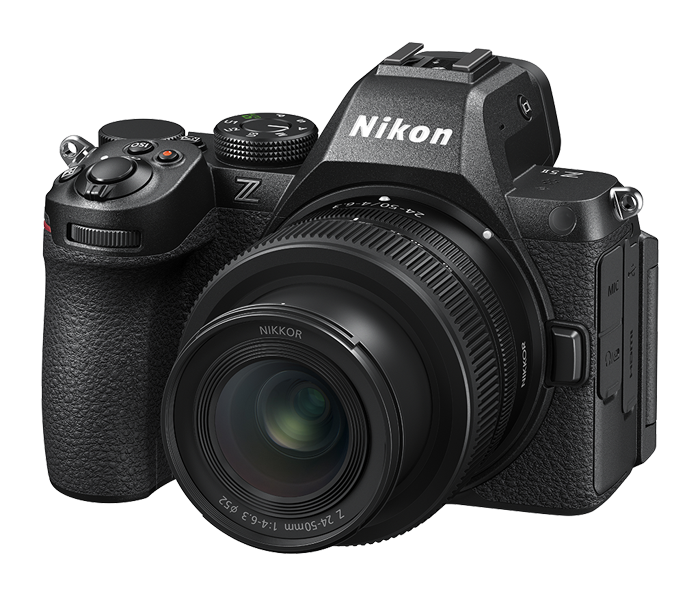
The Canon EOS R3 and Nikon Z5II are two comprehensive mirrorless cameras that cater to different segments of the photography market. Both full-frame cameras target serious enthusiasts and professional users, but they differ significantly in terms of features, pricing, and target clientele. The R3 is aimed more at high-end sports and wildlife photographers who require advanced performance, while the Z5II appeals to a broader audience looking for solid performance and value without breaking the bank. Understanding the nuances between these two models is crucial for buyers who want to make an informed decision based on their specific needs and photography styles.
Specifications Comparison
Detailed Comparison
Image Quality
Both the Canon EOS R3 and Nikon Z5II share a similar 24 megapixel full-frame sensor, creating a solid foundation for image quality that can deliver outstanding results, especially in good lighting conditions. However, the R3's extended ISO range (50-204800) offers greater versatility for low-light conditions, allowing photographers to capture low-noise images even in very dark environments. In contrast, the Z5II has a more traditional ISO range (100-51200) that may not perform as proficiently at higher settings, potentially leading to more noise in low-light scenarios.
While both cameras are capable of producing stunning images, the stabilization provided by the R3 (8 stops) outperforming the Z5II's (7.5 stops) could make a notable difference for handheld shooting, especially at slower shutter speeds. Additionally, the R3's advanced sensor processing might provide a slight edge in dynamic range and color accuracy, which is integral to the needs of professionals shooting in various lighting conditions.
Overall, both cameras produce excellent image quality, but thanks to its broader ISO capabilities and superior stabilization, the R3 might edge out the Z5II in terms of versatility for various shooting conditions.
Autofocus System
In the realm of autofocus, the Canon EOS R3 is equipped with a robust system that boasts an impressive 1053 autofocus points, allowing for rapid and precise focusing. This extensive system adds to the camera's appeal for fast-action shooting, making it especially suitable for sports and wildlife photographers. Its advanced eye-tracking capabilities are exceptional, following subjects seamlessly as they move.
In comparison, the Nikon Z5II features only 299 autofocus points, which, while competent, may not provide the same level of coverage and responsiveness as the R3. The Z5II's autofocus system works well for most general photography needs, but in high-paced scenarios, users may find the R3's performance superior.
Given the critical shooting environment for many Canon R3 users, the autofocus system not only reaffirms its place as a top-tier choice but also underscores its suitability for professionals seeking high-performance solutions. Thus, in heavily dynamic or fast-paced shooting, the R3's autofocus system sets a high standard that the Z5II struggles to match.
Video Capabilities
Video enthusiasts will appreciate the capabilities of the Canon EOS R3, which offers 4K recording at up to 120 frames per second. This high frame rate allows for smooth slow-motion capture, making the R3 an excellent choice for videographers who also shoot dynamic action or sports footage. The inclusion of Canon Log and various codec options enhances its video utility, catering to those looking for professional-level video production.
On the other hand, the Nikon Z5II supports 4K recording at a maximum of 60 frames per second. While this is adequate for most general video work, it lacks the same level of slow-motion capabilities afforded by the R3. Additionally, the Z5II does not provide the same range of video codecs and options, which may limit its effectiveness for high-end video projects.
The difference in video capabilities is significant for those who plan to use their camera for both photography and videography. The R3's comprehensive video features position it as a more versatile tool for serious creators, while the Z5II may fit the needs of casual videographers but falls short of professional standards.
Build & Ergonomics
Both the Canon EOS R3 and Nikon Z5II are solidly built and weather-sealed to withstand challenging conditions, making them reliable choices for outdoor photography. The Canon EOS R3 is slightly larger and heavier at 1015 grams compared to the Z5II's 700 grams, which may impact portability for some users but offers a more substantial feel in hand-an aspect some photographers may prefer for stability during shooting.
The R3's extensive body and control layout cater to professionals with quick access to advanced settings through customizable buttons and dials, promoting efficient workflow in active shooting environments. The Nikon Z5II, while ergonomic, does not provide the same level of customization in its button layout, which may affect those who rely on quick adjustments on-the-fly.
In this aspect, the R3 tends to cater more towards professional ergonomics, providing features and controls suitable for intricate shoots. Although the Z5II is sufficient for most, those seeking ultimate control in demanding situations may find the R3's build quality and layout more appealing.
Battery & Storage
Battery performance can be a significant differentiator for professional photographers who depend on longer shoot times. The Canon EOS R3 offers approximately 760 shots per charge, which is substantially greater than the Nikon Z5II's 330 shots. This enhanced battery life is crucial for those on long shoots or in scenarios where changing batteries frequently is not feasible.
Furthermore, the R3's dual card slots support CFexpress and SD media, providing faster data transfer rates that is pivotal for high-resolution video and continuous shooting. The Z5II, while it does offer dual SD card slots, may not handle high-speed video and burst shooting as efficiently due to the limitations of SD card technology compared to CFexpress.
For photographers who prioritize battery longevity and efficient data management on high-volume shoots, the R3's advantages make it the more compelling choice in this category.
Value for Money
When considering price, the Canon EOS R3 is considerably more expensive at $5999 compared to the Nikon Z5II's $1699. This price jump reflects the R3's advanced features, high-end autofocus, and superior build quality, which are crucial for professionals working in demanding environments. However, for enthusiasts and beginner-to-intermediate users, the Z5II provides a much more accessible price point without compromising image quality and essential performance, making it an attractive option.
Ultimately, the value received from each camera is relative to the specific user's needs. Professionals who require the R3's capabilities see a strong justification in its price, while the Z5II stands out as an excellent value for those who want a capable full-frame experience at a much lower cost.
In this section, the Nikon Z5II might resonate more with budget-conscious photographers, while the Canon EOS R3 sustains the higher-end segment, validating the price through features and functionality tailored for pro users.
Our Verdict
In summary, the Canon EOS R3 emerges as the overall winner, particularly for professionals who prioritize superior autofocus, video capabilities, and battery performance. It stands out in environments requiring quick decision-making and high-end features. However, the Nikon Z5II offers exceptional value for amateur photographers and casual users who may not need cutting-edge specifications but still desire a reliable full-frame camera. Each model has its strengths, and the decision ultimately depends on budget constraints and individual shooting requirements.
Canon EOS R3
Nikon Z5II
Also Compare
Frequently Asked Questions
Which camera is better for sports photography?
The Canon EOS R3 is better suited for sports photography due to its superior autofocus system and faster burst shooting capability.
Is the Nikon Z5II a good entry-level full-frame option?
Yes, the Nikon Z5II offers excellent value and performance for those looking to step into full-frame photography without the high cost of professional models.
How does the battery life compare?
The Canon EOS R3 has significantly better battery life, providing around 760 shots compared to the Z5II's 330 shots per charge.
Can the R3 handle low-light photography better than the Z5II?
Yes, the Canon EOS R3 has a broader ISO range that allows for better performance in low-light conditions, resulting in less noise in images.
What are the video capabilities of each camera?
The Canon EOS R3 supports 4K up to 120fps, ideal for slow-motion video, while the Nikon Z5II supports 4K up to 60fps.