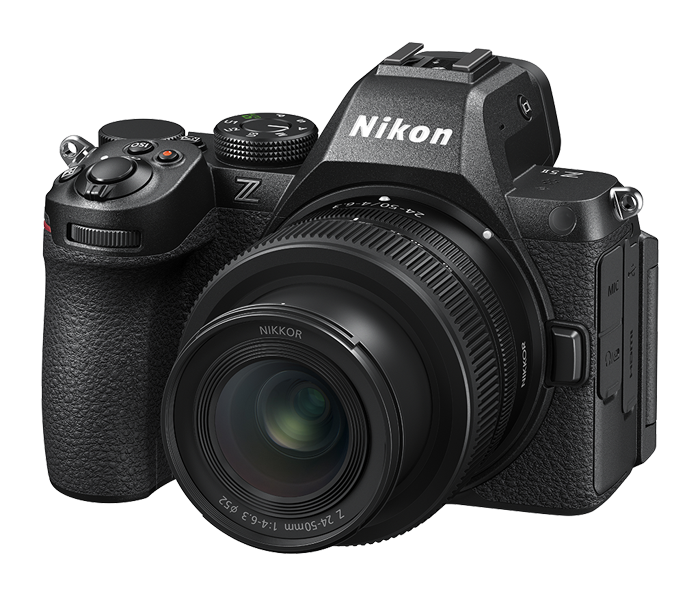

The Nikon Z5II and the Sony ZV-E1 are two compelling full-frame mirrorless cameras that cater to different user needs. While both models excel in video capabilities and portability, they target a varied audience. The Nikon Z5II appeals more to traditional photographers with its robust feature set and superior image quality, while the Sony ZV-E1 is designed with vloggers and content creators in mind, emphasizing ease of use and advanced video functions. This comparison highlights key differentiators such as sensor performance, autofocus capabilities, and overall usability for specific photographic applications.
Specifications Comparison
Detailed Comparison
Image Quality
When it comes to image quality, the Nikon Z5II has a distinct edge due to its higher resolution of 24 megapixels, compared to the Sony ZV-E1's 12 megapixels. This means that the Z5II can capture more detail, making it a better option for large prints and cropping flexibility. Additionally, its larger sensor size (35.9 x 23.9 mm) allows it to perform better in low-light situations. On the other hand, the ZV-E1, while lower in resolution, offers a significant ISO range expansion up to 409600, which can be advantageous for low-light video shooting. However, the lower megapixel count may not suffice for users looking to prioritize still photography. Overall, the image quality favors the Nikon due to its higher resolution and full-frame capabilities.
Autofocus System
In terms of autofocus capabilities, the Sony ZV-E1 is a clear winner with 759 autofocus points, which allows for rapid and precise focusing, particularly beneficial in dynamic shooting environments such as spontaneous vlogging. The Nikon Z5II, while competent with its 299 autofocus points, does not match the sophistication of the Sony system, especially in challenging lighting conditions. Furthermore, the ZV-E1 features Real-Time Eye autofocus, making it particularly suited for capturing moving subjects or when focusing on people, a common scenario for vlogging. The advanced autofocus system in the ZV-E1 positions it ahead for both video and action photography.
Video Capabilities
Both cameras support 4K video resolution at 60 frames per second, making them highly suitable for high-quality video production. However, the differences lie in their video-centric features. The Sony ZV-E1 offers a more comprehensive suite of video tools aimed at content creators, including advanced face tracking and live streaming capabilities. With its additional exposure and sound control options designed for vloggers, the ZV-E1 is more tailored for high-end video applications. Meanwhile, the Nikon Z5II provides more traditional video features, catering to those who might use the camera for broader photographic applications alongside video. Although both cameras excel in video quality, the ZV-E1's emphasis on video functions gives it an advantage for vloggers.
Build & Ergonomics
The Nikon Z5II boasts a more substantial build, weighing 700 grams with dimensions of 134 x 101 x 72 mm, which may be preferred by traditional photographers as it provides a more stable grip and a dedicated electronic viewfinder. This robustness makes it ideal for outdoor photography due to its weather-sealed design. The Sony ZV-E1 is significantly lighter at 483 grams and designed to be compact at 121 x 72 x 54 mm, making it an excellent choice for travel and vlogging where portability is crucial. While both cameras feature weather-sealing, the ergonomics of the Z5II may appeal more to those who prioritize tactile controls and stability during handheld shooting, especially for extended periods.
Battery & Storage
In terms of battery life, the Sony ZV-E1 surpasses the Nikon Z5II significantly, offering approximately 570 shots compared to the 330 shots of the Nikon. This extended battery life is critical for vlogging or long shooting sessions without frequent interruptions for recharge. Additionally, both cameras utilize the latest storage options with SD card requirements, supporting high-speed write speeds necessary for 4K video. However, the longevity and efficiency of the ZV-E1's battery make it more suitable for users who plan extensive periods of recording without the risk of running out of power.
Value for Money
When assessing value for money, the Nikon Z5II is priced at $1699, which many may consider reasonable given its capabilities as a full-frame camera with a higher resolution, solid ergonomics, and full-featured photography options. In contrast, the Sony ZV-E1, priced at $2200, offers additional features tailored for content creators but may not justify the price for traditional photographers. For users focused on still photography or less specialized video needs, the Z5II presents a better overall investment. Thus, while the Sony model provides advanced functionalities for its cost, the Nikon Z5II presents a more balanced value proposition for diverse users.
Our Verdict
In conclusion, the Nikon Z5II is ideal for photography enthusiasts who value high resolution and traditional shooting capabilities, whereas the Sony ZV-E1 excels for vloggers and content creators seeking sophisticated video features with portability. The Z5II offers a robust option for those prioritizing still photography and general usage, while the ZV-E1 caters to a niche market needing advanced video utilities. Consequently, the choice ultimately hinges on the specific needs and preferences of the user.