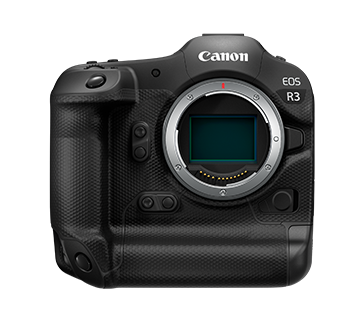
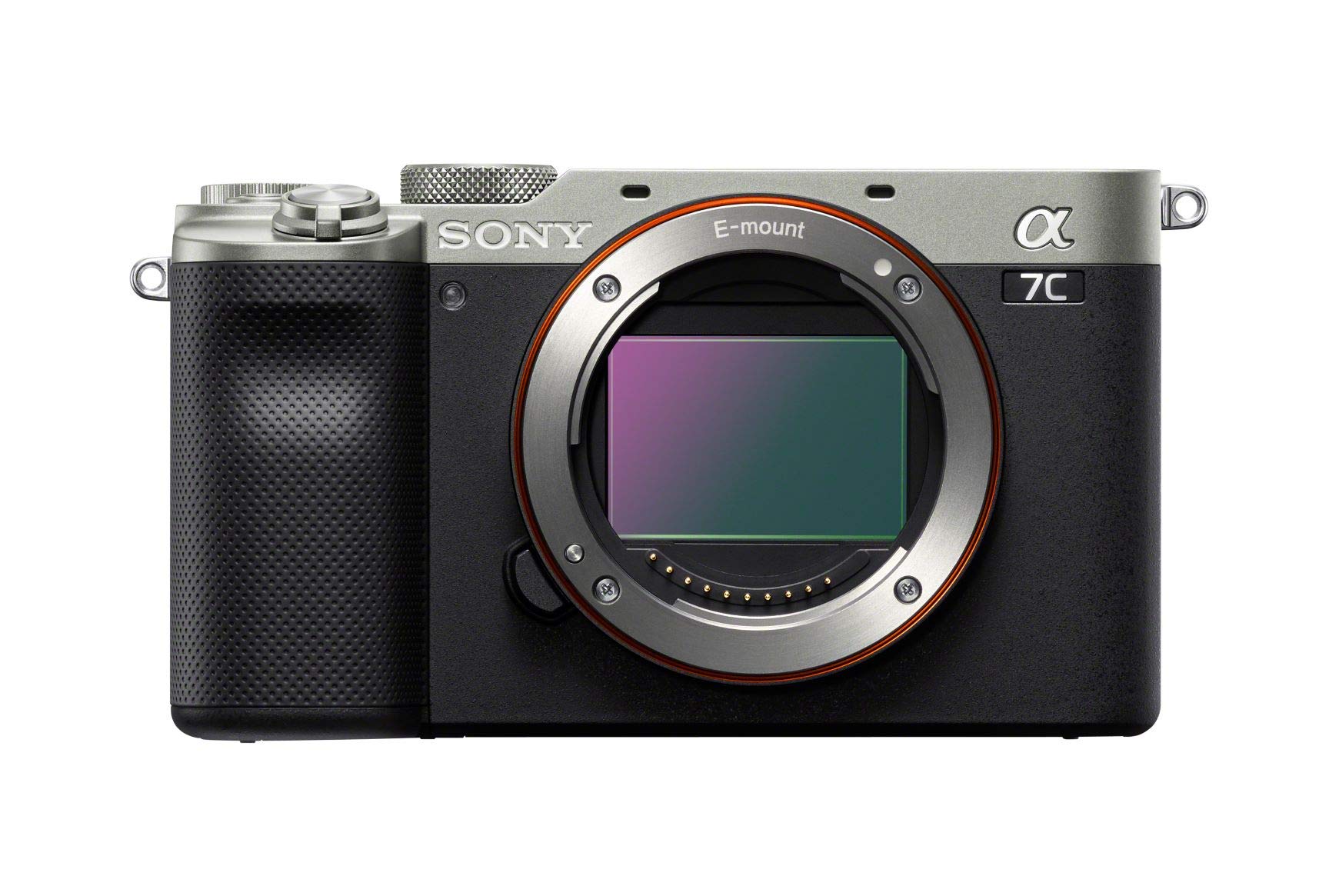
The Canon EOS R3 and Sony A7C represent two compelling entries in the full-frame mirrorless camera market, attracting photographers and videographers alike. The EOS R3 is designed as a professional camera with high-speed performance and advanced features, making it appealing for sports and wildlife photography. In contrast, the A7C is more compact and priced for enthusiasts and everyday photographers seeking excellent image quality without the bulk of a larger camera. When comparing these two models, potential buyers should consider their specific needs, such as performance under extreme conditions, portability, and budget constraints, as well as the key differentiators that set these two cameras apart.
Specifications Comparison
Detailed Comparison
Image Quality
Both the Canon EOS R3 and Sony A7C offer impressive image quality thanks to their full-frame sensors, each boasting 24 megapixels. The sensor size in the EOS R3 (36 x 24 mm) is slightly larger than the A7C's (35.6 x 23.8 mm), but both cameras capture stunning detail and dynamic range. Each camera excels in low-light conditions, though the Canon offers a higher maximum ISO of 102400 compared to the Sony's 51200, which may lead to better performance in extreme low-light environments. This difference can make the R3 a preferred choice for photographers who regularly shoot in challenging lighting situations. Overall, while both cameras provide excellent image quality, the extended ISO range of the Canon gives it a slight edge in versatility.
Autofocus System
The autofocus systems of the Canon EOS R3 and Sony A7C showcase different strengths and designs, appealing to different user needs. The R3 features an impressive 1053 autofocus points, enabling rapid and precise focusing even in dynamic shooting situations, perfect for sports and action photography. The A7C, while robust with its 693 autofocus points, falls short in comparison. However, it includes Sony's renowned Real-time Eye autofocus for humans and animals, making it a fantastic option for portrait and wildlife shooters. Overall, while both systems perform admirably, the superior number of autofocus points and speed of the R3 cater better to fast-paced scenarios, granting it the title of the better autofocus system.
Video Capabilities
In terms of video capabilities, the Canon EOS R3 outshines the Sony A7C with its ability to record 4K video at up to 120 frames per second, facilitating high-quality slow-motion footage without the need for extensive post-processing. This makes it highly suitable for professional filmmakers and content creators seeking versatility and performance. In contrast, the A7C offers 4K video up to 30 frames per second, which, while adequate for many applications, limits its appeal for those looking to push the envelope in cinematic productions. Moreover, the R3 has advanced heat management for extended recording times, distinguishing it further for serious videographers. Hence, the Canon's superior video capabilities justify its leadership in this category.
Build & Ergonomics
The build quality of the Canon EOS R3 and Sony A7C is robust and weather-sealed, catering to the demands of professional use. The R3 is bulkier and heavier at 1015 grams and larger dimensions, making it less portable but potentially easier to handle during extended shoots due to its larger grip. Conversely, the A7C's lightweight design at 509 grams and compact dimensions make it highly portable and a great choice for travel photographers, favoring those who prioritize convenience. While the R3 provides more durability for harsh shooting environments, the A7C offers a more user-friendly form factor for everyday use. Ultimately, the preferred choice in build and ergonomics hinges on the intended shooting scenarios, making this a tie as both are tailored effectively to their respective audiences.
Battery & Storage
In the realm of battery life, the Canon EOS R3 offers a slightly higher shot count with approximately 760 shots compared to the Sony A7C's 740 shots. Both cameras utilize a powerful battery designed for demanding shooting sessions; however, the R3's capacity to sustain functionality during high-speed continuous shooting may tip the scale for users who need extended performance. Regarding storage, both cameras support SD cards, but the R3's option for the latest CFexpress cards is an attractive feature for professionals requiring faster write speeds for high-resolution video and burst shooting. Although the difference in battery life is marginal, the enhanced storage capabilities of the R3 provide a strong advantage for serious photographers, making this category favorable for Canon.
Value for Money
When considering value for money, the Sony A7C stands out due to its significantly lower price point of $1799 compared to the Canon EOS R3 at $5999. For amateur photographers or those not requiring the extensive features of a top-tier model, the A7C comes with excellent image quality, a solid autofocus system, and decent video capabilities at a more approachable price. In contrast, while the EOS R3 provides features desirable for professionals, including advanced autofocus, superior video output, and exceptional build quality, the investment may not be justified for those who primarily want a camera for casual use. Hence, when considering budget constraints and the intended use-case, the A7C presents itself as a far more budget-friendly option, granting it the edge in this category.
Our Verdict
In this detailed comparison, the Canon EOS R3 emerges as the overall winner primarily due to its superior image quality, autofocus system, video capabilities, and enhanced build quality suited for professional users. While the Sony A7C excels in portability and offers tremendous value for enthusiasts at a lower price point, it lacks the advanced features and performance metrics of the R3. Buyers focused on high-performance photography or videography will find the investment in the Canon EOS R3 justified, while casual users or those prioritizing travel and affordability will lean more towards the Sony A7C.
Canon EOS R3
Sony A7C
Also Compare
Frequently Asked Questions
Is the Canon EOS R3 worth its higher price?
Yes, the EOS R3 is designed for professionals seeking high-performance features, including superior autofocus, advanced video options, and overall build quality, making it a worthy investment for serious photographers and videographers.
Which camera is better for low-light photography?
The Canon EOS R3 has a higher maximum ISO of 102400 which provides better performance in low-light conditions compared to the Sony A7C's 51200, making the R3 the better choice for low-light photography.
How does battery life compare?
The EOS R3 offers approximately 760 shots while the A7C provides around 740 shots. Both cameras provide decent battery life, but the R3 has a slight edge in endurance.
Which camera is more portable?
The Sony A7C is more portable, being lighter and more compact, making it an excellent choice for travel photographers who prioritize convenience and ease of carrying.
Are the lenses for both cameras interchangeable?
No, the lenses are not interchangeable because the Canon EOS R3 uses the Canon RF mount, while the Sony A7C uses the Sony E mount. Users will need to choose lenses specific to each camera system.