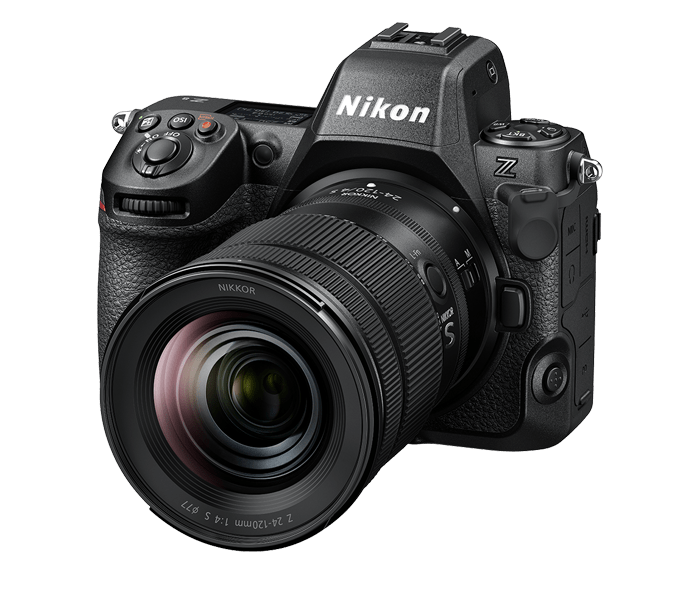
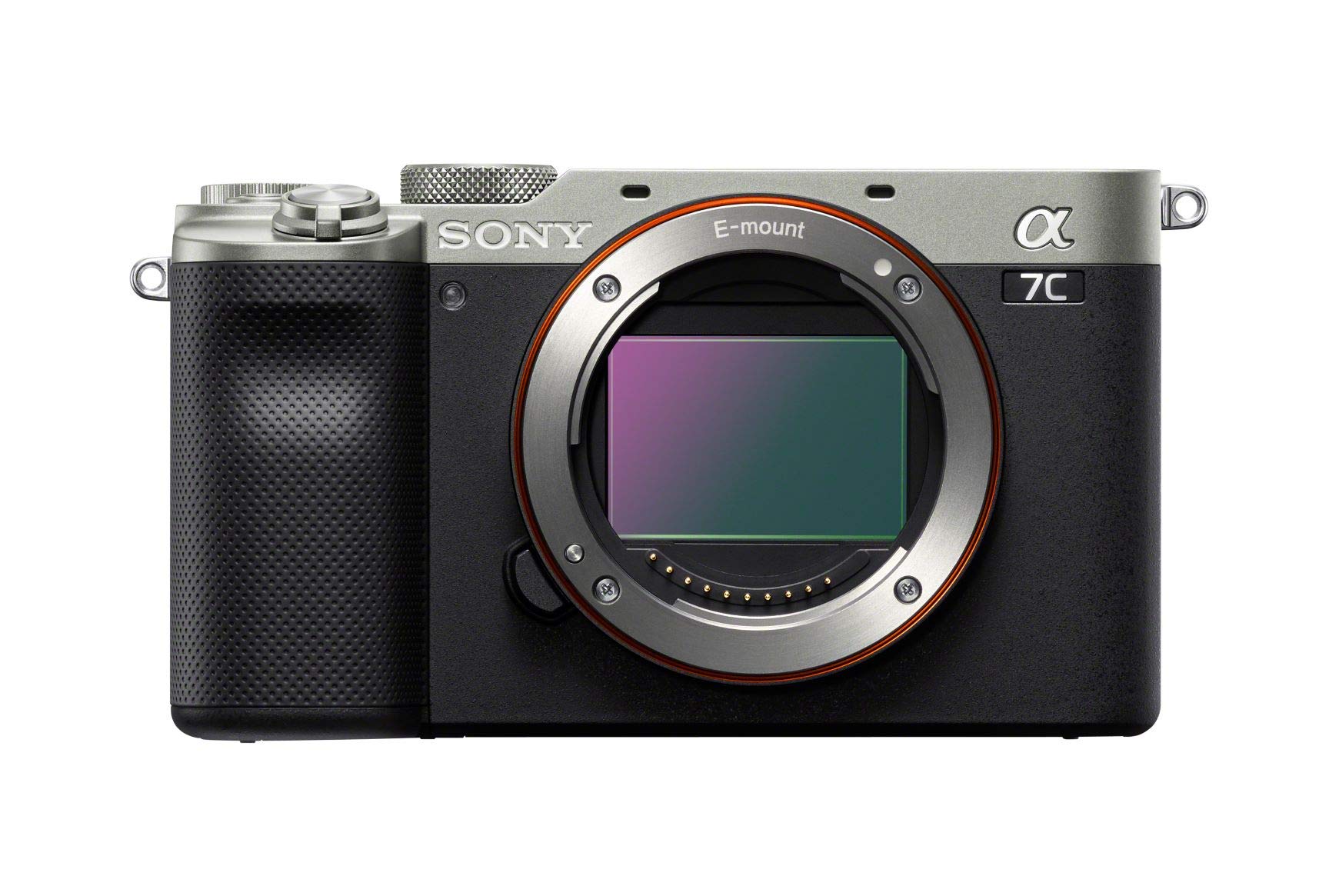
The Nikon Z8 and Sony A7C are two compelling contenders in the full-frame mirrorless camera market, appealing to both enthusiasts and professionals seeking advanced features, compact design, and impressive performance. The Z8, a 2023 release, brings cutting-edge technology to bear on high-resolution photography and video capabilities, while the A7C, introduced in 2020, offers a more budget-friendly option with a portable form factor. Photographers, videographers, and content creators may find themselves at a crossroads when deciding between these two models, especially considering their specifications, price points, and intended use cases.
Specifications Comparison
Detailed Comparison
Image Quality
In terms of image quality, the Nikon Z8 shines with an impressive 46 megapixels, allowing for significant detail capture and larger prints. This higher resolution aids in cropping flexibility without sacrificing quality, which is particularly beneficial for landscape, commercial, and portrait photography. Its full-frame sensor measures 35.9 x 23.9 mm, offering excellent dynamic range and low-light performance, making it ideal for professional use.
On the other hand, the Sony A7C comes with a 24-megapixel sensor, which, while lower in resolution, still provides great image quality and is suitable for many applications, including blogging and travel photography. Its full-frame sensor (35.6 x 23.8 mm) also supports a strong ISO range, particularly for low-light situations. However, the differences in megapixel count mean that the Z8 is more suited for users focused on maximally detailed imagery.
Ultimately, for users prioritizing resolution and image detail, the Nikon Z8 is the clear winner. However, for those who do not need ultra-high resolution, the A7C still delivers solid performance.
Autofocus System
The autofocus systems of the Nikon Z8 and Sony A7C cater to different user needs. The Z8 features an impressive 493 autofocus points, providing excellent coverage across the frame and effective subject tracking, making it suitable for fast-paced sports and wildlife photography. Its advanced algorithms and eye-detection capabilities capitalize on this extensive coverage, ensuring sharply focused images even in challenging conditions.
In contrast, the Sony A7C boasts 693 autofocus points, which is an impressive figure that facilitates quick and accurate focusing. The A7C's autofocus excels in its ability to lock focus on subjects very rapidly, particularly for still images and video. However, the maximum frames per second (fps) for the A7C is limited to 10 fps, whereas the Z8 pushes out an exceptional 30 fps when shooting in burst mode.
When considering autofocus performance overall, both systems have their strengths. The higher frame rate and autofocus point density of the Nikon Z8 make it a better choice for high-speed photography, while the Sony A7C's robust point distribution offers reliable performance in a more compact package.
Video Capabilities
Video functionality is increasingly vital in today's camera market. The Nikon Z8 excels with capabilities of recording up to 4K at 120 frames per second, allowing for stunning slow-motion footage. This flexibility makes the Z8 highly appealing to professional videographers who want high-resolution and high-frame-rate recordings, along with advanced video features.
On the other hand, the Sony A7C supports 4K video but is limited to 30 frames per second. While this is adequate for many casual users and even some semi-professional work, it does not match the high-performance benchmarks set by the Z8. The A7C also has a solid HDR capability and a wide ISO range that can enhance video quality notably in low light conditions, appealing to vloggers and casual shooters.
In conclusion, for videographers seeking high-performance capabilities, including high frame rates and advanced features, the Nikon Z8 is the superior choice. For users focusing on basic video needs, the A7C remains a good option.
Build & Ergonomics
Both the Nikon Z8 and Sony A7C feature a robust design, with weather-sealing that makes them suitable for various shooting environments. The Z8, at 910 grams, is heavier and bulkier, measuring 144 x 119 x 83 mm, which may be less portable but provides a solid grip and more substantial feel in the hand. This can be advantageous during long shooting sessions, particularly for professional photographers.
In contrast, the Sony A7C is more compact and lightweight at 509 grams and measuring 124 x 71 x 60 mm. This smaller size may attract travel photographers and bloggers who prioritize portability without sacrificing performance. The A7C's design also shares the classic Sony minimalist aesthetic, making it visually appealing to those who prefer a streamlined look.
Both cameras possess electronic viewfinders, though the Nikon's larger screen with higher resolution provides a more detailed visual representation during composition. For users favoring a more professional build, the Z8 is likely the preferred option, while those seeking lightweight gear for portability may find the A7C more suitable.
Battery & Storage
In terms of battery life, the Sony A7C exhibits a strong advantage with an impressive 740 shots per charge, which appeals to users who may be shooting for extended periods without immediate access to charging options. This extended battery life positions the A7C as a solid option for events like weddings or travel sessions.
Conversely, the Nikon Z8 offers a battery life of 340 shots, which is moderately acceptable but not as competitive. It's essential for users to weigh the need for high power efficiency versus performance features, as higher performance generally consumes more battery.
Both cameras utilize the same types of SD card slots supporting shared formats but differ in their handling of file sizes due to the difference in megapixels. The Z8's larger file sizes may require users to invest in higher-capacity and faster storage solutions to accommodate the necessary data transfer speeds for optimal performance, especially during video recording.
Value for Money
The price difference between the Nikon Z8 and Sony A7C is significant, with the Z8 priced at $3999 compared to the A7C's $1799. This disparity reflects the advanced technology found in the Z8, including higher resolution, superior autofocus capabilities, and enhanced video performance. Photographers seriously engaged in professional levels of work may justify the investment in the Z8 through its expanded feature set and overall performance.
However, the A7C's more accessible price point opens up full-frame photography and videography for a wider audience, including hobbyists, vloggers, and content creators who may not need the advanced features of the Z8. The substantial savings allow buyers to allocate funds towards lenses and accessories that can enhance their experience.
In summary, while the Z8 provides excellent value in terms of professional quality and performance, the A7C offers substantial value for more casual users who desire a quality full-frame experience without the financial commitment of a higher-end model.
Lens Ecosystem
Both Nikon and Sony have developed rich ecosystems around their mirrorless systems. The Nikon Z mount has a growing selection of lenses, with a focus on expanding both prime and zoom options suited for various shooting styles. The availability of native lenses continues to improve, aligning with the increasing popularity of the Z system.
Similarly, the Sony E mount benefits from a well-established lens ecosystem, given its earlier entry into the mirrorless market. Photographers using the A7C can access numerous native lenses along with third-party options, which can provide a more diverse selection for users.
Though the Nikon Z8 is more recent, the depth of options available for the Sony A7C makes it easier for users needing immediate solutions tailored for specific needs. However, users investing in either system can expect robust support for different types of photography through lenses specifically designed for their respective mounts.
Our Verdict
Overall, the Nikon Z8 emerges as the stronger option for professionals needing high-quality images, excellent autofocus, and outstanding video capabilities, making it ideal for demanding work environments. However, the Sony A7C provides great value for enthusiastic photographers and vloggers looking for a lightweight, budget-friendly full-frame option. Each model serves its respective audience well, and potential buyers should assess their specific needs and budget to determine the best fit for their photographic ventures.
Nikon Z8
Sony A7C
Also Compare
Frequently Asked Questions
Which camera is better for high-resolution photography?
The Nikon Z8, with its 46 megapixel sensor, is better suited for high-resolution photography, offering greater detail and image quality.
Is the Sony A7C a good choice for travel photography?
Yes, the Sony A7C is compact and lightweight, making it an excellent choice for travel photography, especially for those who value portability.
How do the video capabilities compare?
The Nikon Z8 can record in 4K at 120 fps, whereas the Sony A7C is limited to 4K at 30 fps, making the Z8 better for high-performance video use.
What about battery life and efficiency?
The Sony A7C boasts a longer battery life of 740 shots, while the Nikon Z8 has a more modest capacity of 340 shots, making the A7C more suitable for users needing extended shooting sessions.
Which camera has a better autofocus system?
While both cameras have strong autofocus systems, the Nikon Z8 offers 493 points and faster burst rates, which may be preferable for action photography compared to the A7C's 693 points.