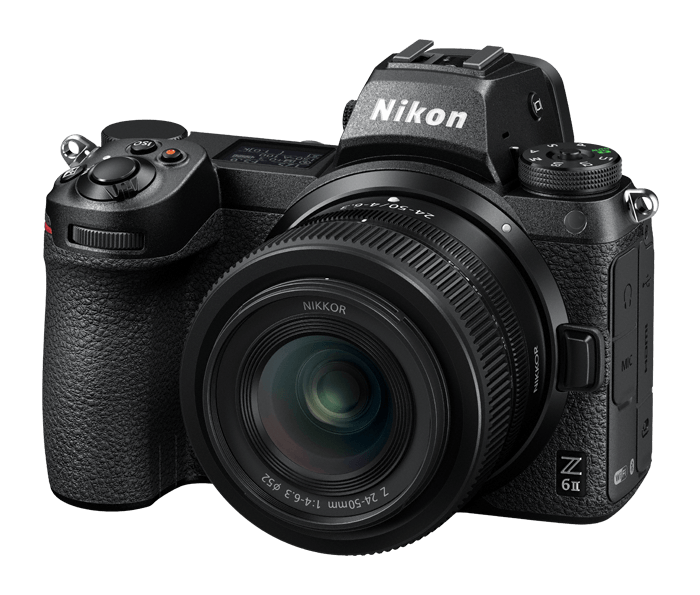
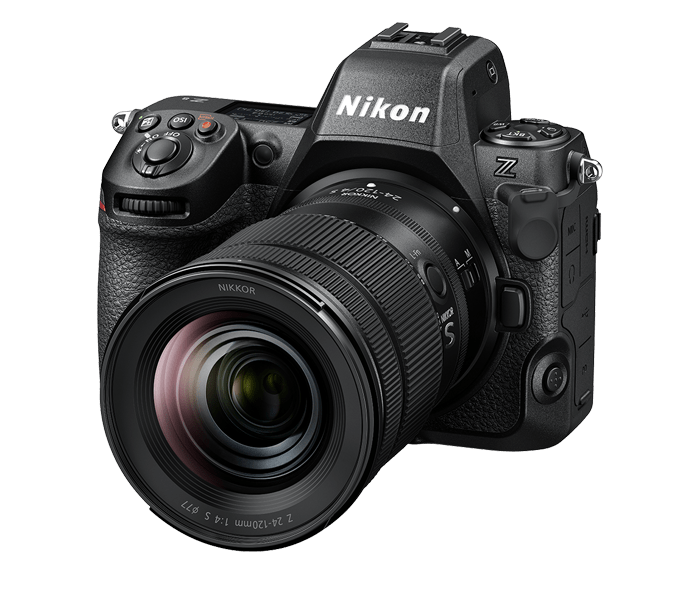
The Nikon Z6 II and Nikon Z8 are two impressive full-frame mirrorless cameras from Nikon, designed to cater to different segments of the photography market. Commonly compared due to their shared lens ecosystem and overlapping features, buyers may find themselves choosing between these two models based on their specific needs and shooting styles. The Z6 II targets enthusiasts and semi-professional photographers looking for a capable yet more affordable option, while the Z8 is geared towards professionals who demand higher performance, particularly in resolution and video capabilities.
Specifications Comparison
Detailed Comparison
Image Quality
The Nikon Z6 II features a 25-megapixel full-frame sensor, which delivers excellent image quality with good detail and dynamic range. Its low-light performance is commendable, especially with an ISO range that can expand all the way from 50 to 204,800. On the other hand, the Z8 significantly ups the ante with a 46-megapixel sensor, allowing for stunning detail and higher resolution images, ideal for large prints or extensive cropping. Although the Z6 II excels in high-ISO settings, the Z8's increased megapixels capture more nuanced details in good lighting conditions. Both cameras feature excellent color reproduction and can deliver outstanding images across various scenarios, but the higher resolution of the Z8 gives it an edge.
Autofocus System
In terms of autofocus, the Z6 II is equipped with 273 autofocus points, providing reliable tracking and focus accuracy. However, the Z8 boasts a more advanced system with 493 autofocus points, which improves its ability to track moving subjects and maintain focus during complex shots. This added capability is vital for professional applications such as wildlife or sports photography, where fast and accurate autofocus can make a significant difference. Both models incorporate Nikon's eye-detection AF, but the enhanced sensor of the Z8 allows for overall better performance in tricky lighting and dynamic environments. Therefore, while the Z6 II performs admirably, the Z8's autofocus system is notably superior.
Video Capabilities
Both cameras support high-quality video recording, but their capabilities vary significantly. The Z6 II maxes out at 4K 30p, which is suitable for most casual videographers and content creators. In contrast, the Z8 pushes the boundaries with 4K 120p video recording, making it ideal for high-frame-rate projects and slow-motion footage. This capability positions the Z8 as a powerhouse for videographers seeking cinematic quality. Moreover, the Z8 offers additional video features like ProRes RAW output and enhanced overheating performance for extended recording times. Consequently, while the Z6 II is functional for video, the Z8 caters to professionals needing state-of-the-art video performance.
Build & Ergonomics
Both the Z6 II and Z8 are designed with durability in mind, featuring weather-sealing to withstand inclement conditions. However, the Z8 is slightly heavier at 910g compared to the Z6 II's 705g, but this is partly due to its larger grip and more robust build. The dimensions of the Z8 also reflect its pro-level positioning, providing a more substantial feel in hand, which some photographers may prefer for stability. Both models have a 3.2-inch rear touchscreen, but the Z8's LCD is slightly denser in pixel count. Ergonomically, both cameras are designed to be intuitive, but the Z8 may cater better to users with larger hands. Despite these differences, both cameras offer excellent handling for their intended users.
Battery & Storage
When it comes to battery life, the Z6 II edges out the Z8, with the ability to capture approximately 410 shots on a single charge, compared to the Z8's 340. This can be a critical factor for event photographers or travelers who need extended performance without frequent recharging. However, the Z8 uses the larger and more robust EN-EL15c battery, allowing for faster charging speeds and USB-C charging compatibility. Both models utilize dual card slots, supporting CFexpress Type B in the Z8 for faster write speeds, important for high-resolution video and burst modes. While the Z6 II offers good battery life, the Z8 brings superior storage capabilities suited for high-end workflows.
Value for Money
The Z6 II is priced at $1995, making it a more accessible option for many photographers and videographers looking to invest in full-frame performance without breaking the bank. Its mix of solid image quality, versatile features, and excellent ergonomics offers good value for enthusiasts. Meanwhile, the Z8, at a higher price point of $3999, targets professionals who require top-tier image quality, advanced features, and enhanced video capabilities. While the Z8 certainly justifies its price with superior specifications, the Z6 II presents a strong case for those who need a dependable workhorse without the premium cost. Ultimately, value hinges on the user's specific needs and budget.
Lens Ecosystem
Both the Z6 II and Z8 share the same Nikon Z mount, providing access to an extensive ecosystem of Nikon Z lenses. This compatibility allows users to benefit from high-quality optics across both camera systems. Since both models support the same lenses, users will not encounter limitations regarding available glass. However, the choice of lenses can impact performance, especially for specialized tasks like fast-paced sports or low-light shooting. Overall, with many native lenses available, both cameras stand on equal footing in terms of lens ecosystem support, making this aspect a tie.
Our Verdict
In the comparison between the Nikon Z6 II and Nikon Z8, the Z8 emerges as the overall winner thanks to its superior image resolution, enhanced autofocus capabilities, and advanced video-spec features that cater to professional needs. While the Z6 II excels in terms of battery life and offers outstanding value for enthusiasts, the significant upgrades found in the Z8 make it the better choice for serious photographers and videographers who demand the utmost quality and performance in their workflows. Ultimately, the choice between the two models should depend on the buyer's priorities, usage scenarios, and budget.
Nikon Z6 II
Nikon Z8
Also Compare
Frequently Asked Questions
Is the Nikon Z8 worth the extra money compared to the Z6 II?
For professional use, especially for detailed photography and high-quality video, the Z8 justifies its higher price with advanced features. Enthusiasts, however, may find the Z6 II perfectly meets their needs at a lower cost.
How does the autofocus performance compare in real-world shooting?
The Z8's autofocus system is faster and more reliable, especially in dynamic situations, making it better suited for sports or wildlife photography compared to the Z6 II.
Which camera is better for low-light photography?
Both cameras perform well in low light, but the Z6 II may have an edge due to its lower megapixel count, which can sometimes yield cleaner images in high ISO settings.
Can the Z6 II still perform well for video production?
Yes, while the Z6 II may not have the high frame rates of the Z8, it still offers solid video recording capabilities suitable for many content creators.
How important is battery life for these cameras?
Battery life is crucial for extended shoots. The Z6 II has better battery longevity, which can be beneficial for photographers who shoot without frequent recharges.