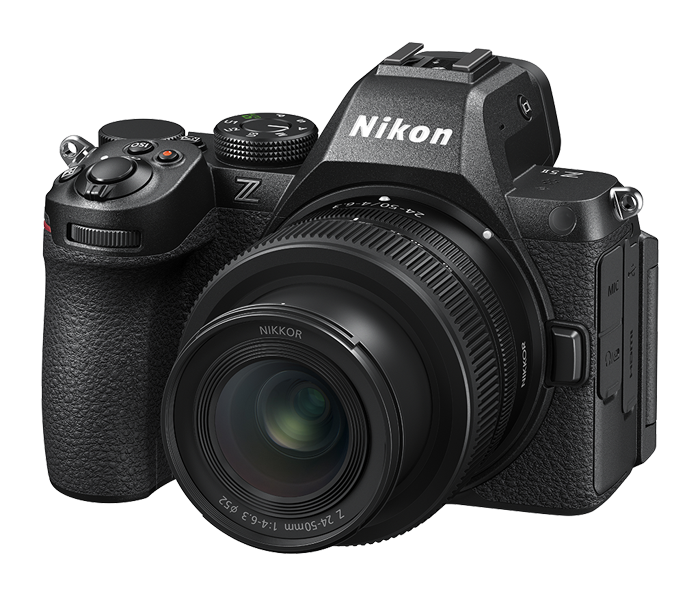
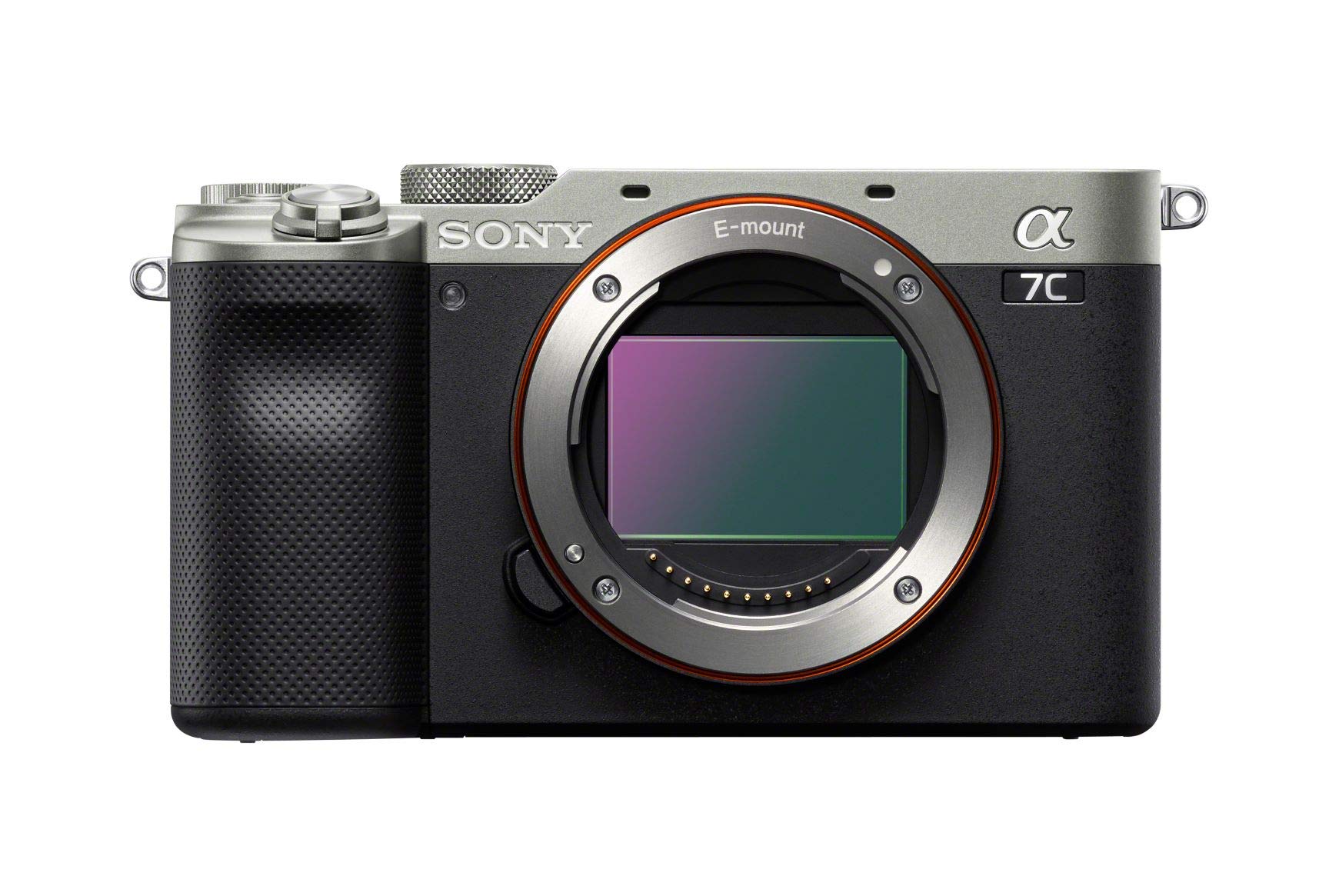
The Nikon Z5II and Sony A7C are two full-frame mirrorless cameras that cater to photographers and videographers looking for high-quality imaging combined with compact form factors. Commonly compared due to their similar price points and feature sets, these cameras appeal to enthusiasts and professionals who are looking for a reliable secondary body or a lightweight option for travel and street photography. Key differentiators between the two models include autofocus capabilities, frame rates for shooting, video resolution, and overall ergonomics and handling, which ultimately could sway a buyer's decision based on their specific needs.
Specifications Comparison
Detailed Comparison
Image Quality
Both the Nikon Z5II and Sony A7C feature a 24-megapixel full-frame sensor, producing remarkable image quality with excellent detail, color accuracy, and dynamic range. However, the Z5II boasts a slightly larger sensor size (35.9 x 23.9 mm vs. Sony's 35.6 x 23.8 mm), which can contribute to marginal differences in performance at high ISO settings. The Z5II demonstrates less noise in low-light scenarios thanks to its superior in-body stabilization of 7.5 stops compared to the A7C's 5 stops, allowing longer exposures without blur. Furthermore, the Z5II's electronic viewfinder, with higher resolution (2,100,000 dots), provides a clearer preview of scenes than the A7C's 921,600 dots. Overall, the Z5II seems to provide an edge in image quality, especially in low-light conditions.
Autofocus System
The autofocus system is critical for capturing fast-moving subjects, and here is where the Sony A7C pulls ahead with its 693 autofocus points compared to the Z5II's 299 points. This extensive coverage allows for superior tracking and more effective focusing, especially in dynamic environments, making it an excellent tool for wildlife or sports photography. The A7C also excels in low-light autofocus performance, with an ISO range that extends up to 204800, granting it better functionality in darker scenes. In contrast, while the Z5II provides reliable autofocus, it simply doesn't match the extensive capabilities of the A7C.
Video Capabilities
In the realm of video recording, the Nikon Z5II secures an advantage with its ability to shoot at 4K 60p, making it more appealing for videographers focused on high frame rates. This allows for smoother motion capture, which is crucial for creating high-quality video content. Meanwhile, the Sony A7C offers 4K 30p, which, while still decent, doesn't match the higher frame rate capabilities of the Z5II. However, the A7C does include additional video features like better color depth and profiles favorable for post-production, which may appeal to some filmmakers. Overall, for those prioritizing video specifications, the Z5II emerges as the clear winner.
Build & Ergonomics
When it comes to body design and user experience, the Sony A7C is notably lighter and more compact, weighing only 509 grams compared to the Nikon Z5II's 700 grams. This gives the A7C an edge in portability, especially for travel photographers. The A7C also features a fully articulating screen which is extremely beneficial for vlogging and shooting angles. However, the Z5II's design feels more robust, and with its weather-sealed body, it is better suited for challenging outdoor conditions. Those preferring a more traditional form factor with excellent grip may favor the Z5II, while users who prioritize a lightweight setup for content creation may prefer the A7C.
Battery & Storage
Battery life is another critical aspect for photographers, especially when shooting for extended periods. The A7C has an impressive battery life, rated at approximately 740 shots, outclassing the Z5II's 330 shots. This makes the A7C more suitable for long shoots without the need for frequent battery changes. Both models utilize SD card storage, but users may find less need to swap cards and batteries frequently with the A7C due to its efficiency. However, the Z5II does offer dual card slots, providing a significant advantage for professionals who require redundancy in their storage solutions.
Value for Money
Pricing is always a crucial consideration and the Nikon Z5II is slightly more affordable at $1699 compared to the Sony A7C's $1799. For photographers who are price-sensitive, this makes the Z5II appealing, especially given its superior video capabilities and in-body stabilization features. However, while the A7C is pricier, it offers exceptional autofocus performance and a slightly lighter body which could justify the cost for some users. The choice between these two cameras could boil down to personal preference and specific use-case scenarios. Overall, while the Z5II is the more economical choice, the A7C does provide features that may be worth the additional investment for certain applications.
Our Verdict
Considering the performance across various aspects, the Nikon Z5II emerges as the overall winner due to its superior video capabilities, stabilization, and overall value for the price. It appeals to shooting enthusiasts who want an all-around capable camera, especially for video and low-light photography. The Sony A7C remains a strong contender, especially for users who prioritize autofocus capabilities and compact size, making it an excellent choice for street and documentary photography. Ultimately, the best choice depends on the buyer's unique needs and shooting style.
Nikon Z5II
Sony A7C
Also Compare
Frequently Asked Questions
Which camera is better for video?
The Nikon Z5II is superior for video recording, offering 4K 60p compared to the A7C's 4K 30p.
How does battery life compare?
Sony A7C offers better battery life, rated for approximately 740 shots, compared to around 330 for the Z5II.
Is one camera more portable than the other?
Yes, the Sony A7C is lighter and more compact, making it more portable than the Z5II.
Which camera has a better autofocus system?
The Sony A7C has a better autofocus system with 693 points compared to Z5II's 299 points, making it more effective for tracking moving subjects.
What about weather sealing?
Both cameras feature weather sealing, offering good protection against elements, making them suitable for outdoor photography.