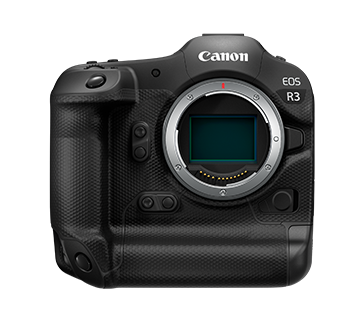
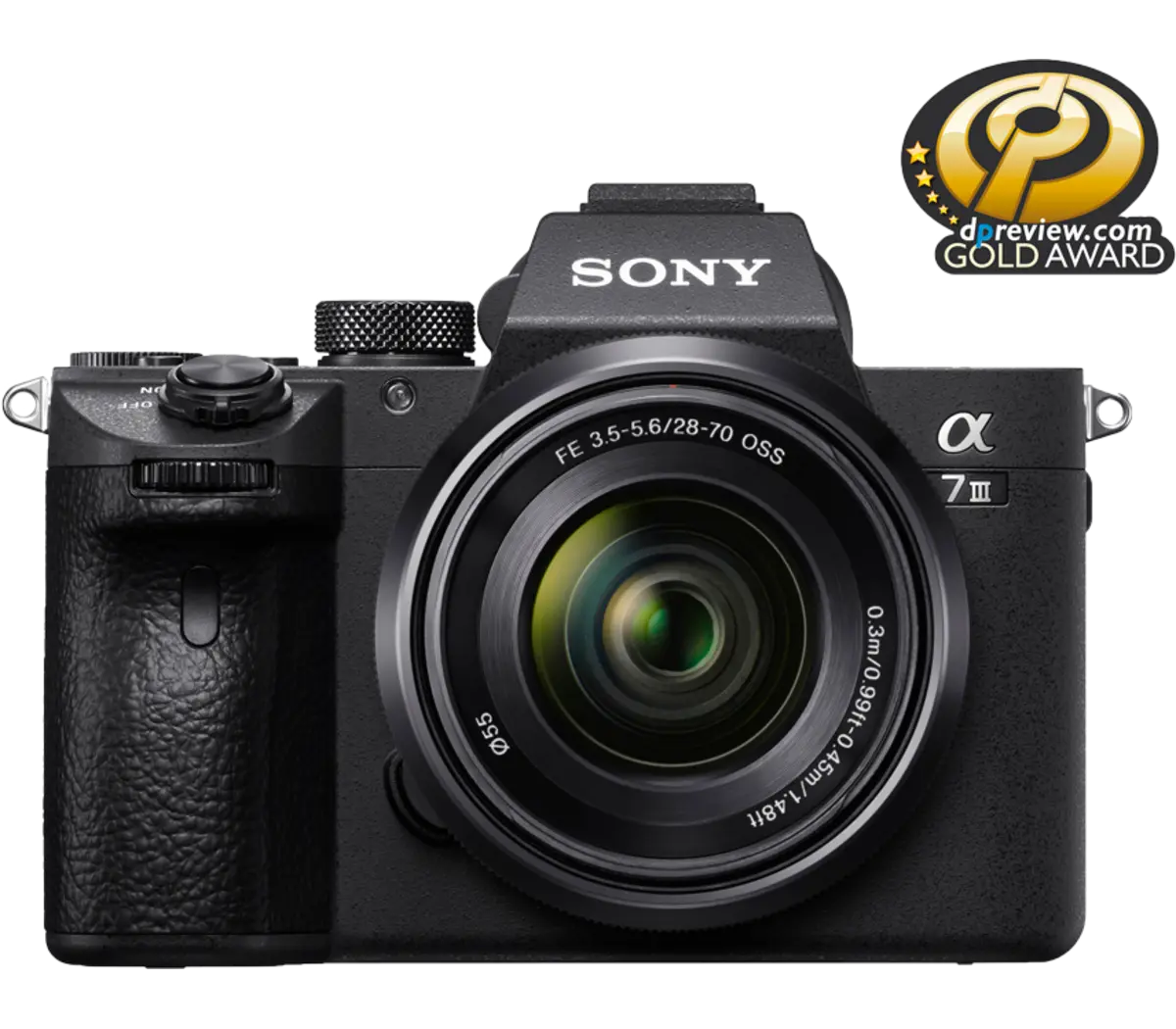
The Canon EOS R3 and Sony A7 III are two compelling full-frame mirrorless cameras that cater to both advanced enthusiasts and professional photographers. While the Canon EOS R3 is a relatively newer model released in 2021, the Sony A7 III has established its reputation since its launch in 2018. These two models are often compared because they offer a similar megapixel count and target similar markets but deliver drastically different feature sets and performance capabilities that can influence a buyer's decision. Photographers may find themselves choosing between the innovative technology found in the EOS R3 or the proven reliability and more accessible price point of the A7 III.
Key differentiators include the Canon EOS R3's superior autofocus system with 1053 points, exceptional high-speed frame rate at 30 fps, and advanced video capabilities, which make it suitable for sports and wildlife photography. On the other hand, the Sony A7 III offers excellent performance in a compact body, a robust battery life, and a lower price point, making it a highly attractive option for those who prioritize value without sacrificing quality. Determining the better option depends on the specific needs and budget of the photographer.
Specifications Comparison
Detailed Comparison
Image Quality
Both the Canon EOS R3 and the Sony A7 III feature full-frame sensors with a resolution of 24 megapixels. This is adequate for most professional applications, including portrait, landscape, and event photography. However, the Canon's ISO range of 100-102400 (expandable up to 204800) allows it to excel in low-light scenarios compared to the Sony's range of 100-51200. Photographers who often shoot in challenging lighting conditions might find the Canon's capabilities superior.
In terms of dynamic range and color science, Sony has gained a reputation for producing images with impressive detail and vibrant colors. The A7 III is well-known for its excellent high ISO performance, leading to clean images with minimal noise. Meanwhile, while the R3 also manages high ISO performance well, its extra stop capability in ISO range gives it an edge in low-light competitions.
Thus, for sheer image flexibility, particularly in low light, the EOS R3 offers more versatility. However, the A7 III stands strong in overall image quality and usability, especially for everyday photography scenarios. The differences may not heavily favor either model in average conditions, resulting in a close tie overall unless low-light photography is a priority.
Autofocus System
When it comes to autofocus performance, the Canon EOS R3 outshines the Sony A7 III with its impressive 1053 autofocus points, which provide broad coverage across the frame. The Canon's Dual Pixel CMOS AF technology ensures fast and accurate focusing, particularly in dynamic situations, making the R3 an excellent choice for sports and action photography. The R3's autofocus system also includes advanced tracking capabilities and eye detection for both humans and animals, enhancing its usability in various shooting conditions.
In contrast, the Sony A7 III boasts 693 phase-detection points, providing reliable autofocus performance as well. The A7 III's autofocus is fast and accurate, and it includes real-time eye autofocus technology, which many users appreciate in portrait photography. However, it does not quite match the R3's performance in terms of tracking moving subjects and overall point density.
Photographers who utilize rapid shooting scenarios will greatly benefit from the Canon EOS R3's advanced autofocus system, making it a winner in this category. The A7 III is commendable but falls a bit short in high-speed environments compared to the R3.
Video Capabilities
Video capabilities are another significant differentiator between the EOS R3 and A7 III. The Canon EOS R3 supports 4K video recording up to 120 fps, enabling high-quality slow-motion footage that caters to professional videographers. Additionally, it offers 10-bit internal recording and robust video features that appeal to filmmakers, supporting DCI 4K resolution and various frame rates, making it versatile for serious video production.
On the other hand, the Sony A7 III features 4K video at a maximum of 30 fps. While it produces excellent video quality and is widely used by content creators, it lacks some of the advanced features found in the R3, such as higher frame rates and better internal recording options. This limitation may hinder those looking for extensive video production capabilities.
Ultimately, videographers seeking more advanced options and superior frame rates will find the Canon EOS R3 to be the standout option in this aspect due to its professional-grade video features.
Build & Ergonomics
In terms of build quality, both the Canon EOS R3 and the Sony A7 III feature weather-sealed designs, making them suitable for outdoor use in various conditions. The EOS R3 has a more robust and heavier design, weighing in at 1015 grams, while the A7 III is significantly lighter at 650 grams, crucial for photographers needing portability. The larger body of the R3 provides a more substantial grip and comfort for extended shooting sessions, particularly with larger lenses.
The Canon R3 sports a larger and higher-resolution LCD screen at 3.2 inches and 4.15 million dots, compared to the 3-inch 921,600-dot screen on the A7 III. This difference may offer better visibility and usability in challenging lighting conditions on the R3. The viewfinder technology also elevates the experience, with the R3 featuring a better electronic viewfinder.
For those prioritizing a lightweight setup, the A7 III holds an advantage. However, for professionals who lean towards an ergonomic design that can endure rigorous use, the build quality of the R3 makes it the preferable option in this category.
Battery & Storage
The Canon EOS R3 is equipped with a battery life of approximately 760 shots, providing robust endurance for demanding photography situations, while the Sony A7 III offers slightly less, at about 710 shots per charge. Both models utilize their respective manufacturers' latest battery technologies, ensuring reliable operation in the field. However, the Canon's higher capacity can be a beneficial element for photographers who shoot extensively without immediate access to battery replacements.
Storage options are also a consideration. The R3 uses dual CFexpress and SD card slots, allowing for faster write speeds, particularly beneficial when shooting in high burst modes. The A7 III, while featuring dual SD card slots, does not offer the same level of speed with its standard SD storage, which may be a limiting factor when recording extensive 4K footage or high-speed bursts.
The Canon EOS R3 is the clear winner regarding battery life and faster storage capabilities, thus catering well to professional photographers who rely on lengthy sessions without having to change batteries or worry about storage limits during shoots.
Value for Money
Price significantly separates the two models, with the Canon EOS R3 priced at $5999, while the Sony A7 III is much more accessible at around $2000. This substantial difference makes the A7 III an appealing option for budget-conscious photographers or those entering the full-frame mirrorless market. Despite the price gap, the A7 III is a powerhouse, offering excellent performance and features that satisfy most enthusiasts and professionals.
In cases where high-end features, advanced autofocus, and superior video capabilities are necessary, the R3 justifies its high price for professionals who can leverage these tools to enhance their work. For casual photographers or those who do not require the absolute latest technology, the value provided by the A7 III cannot be overlooked. It is known for delivering excellent performance without the need for a hefty investment.
Ultimately, if budget is a primary concern, the Sony A7 III stands out as unmatched value. However, for those looking for professional-grade performance and are willing to invest, the Canon EOS R3 offers significant returns.
Our Verdict
In summary, the Canon EOS R3 emerges as the overall winner, particularly for professionals seeking high-performance features such as superior autofocus, advanced video capabilities, and build quality that withstands rigorous use. The added benefits of better low-light performance and improved ergonomics cater to serious photographers. While the Sony A7 III offers fantastic value for money and is more accessible for enthusiasts, it does not rival the R3's feature set for high-speed action or professional video work, making it more suited for those on a tighter budget. Consequently, your decision should weigh your specific needs against the features each camera offers.
Canon EOS R3
Sony A7 III
Also Compare
Frequently Asked Questions
Which camera is better for sports photography?
The Canon EOS R3 is better for sports photography due to its superior autofocus system and higher frames per second, which aid in capturing fast-moving subjects.
Does the Sony A7 III perform well in low light?
Yes, while the A7 III performs well in low-light conditions, the Canon EOS R3 provides a broader ISO range, allowing for even better performance in challenging lighting.
What's the main difference in video capabilities?
The Canon EOS R3 supports 4K video recording up to 120 fps, whereas the Sony A7 III can only record 4K up to 30 fps, making the R3 more suitable for high-end video production.
Is the Canon EOS R3 worth the higher price?
If you are a professional requiring top-tier performance and advanced features, the Canon EOS R3 is worth the investment. However, for casual users or enthusiasts, the Sony A7 III offers excellent value.
How do the battery lives compare?
The Canon EOS R3 has a battery life of about 760 shots, while the Sony A7 III lasts around 710 shots. The R3 provides slightly better endurance for extended shooting sessions.