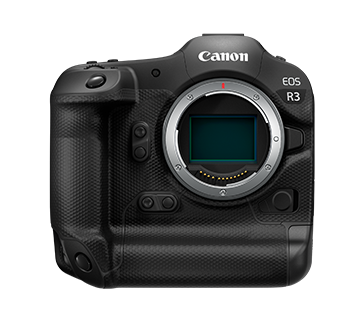
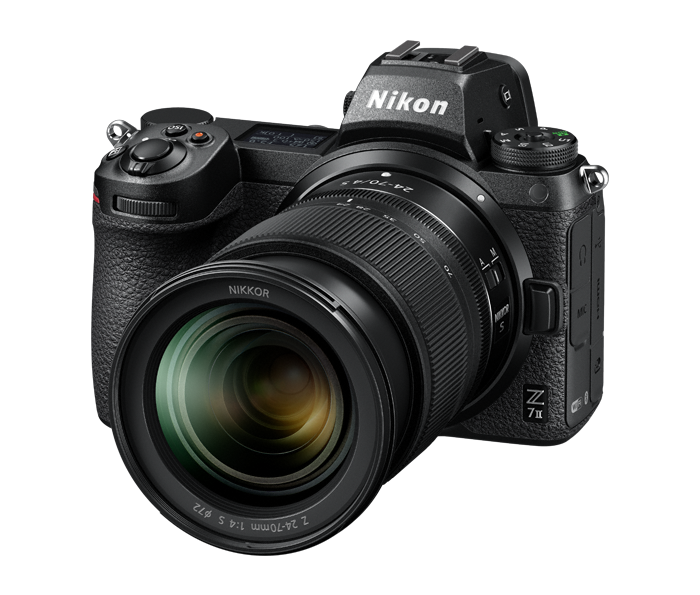
The Canon EOS R3 and the Nikon Z7 II are two highly regarded full-frame mirrorless cameras that cater to different types of photographers. Often compared due to their distinct strengths and capabilities, buyers may gravitate towards either camera depending on their specific needs, such as professional work, enthusiast photography, or videography. The R3's strengths lie in its advanced autofocus and high fps shooting, making it appealing for sports and wildlife photographers, while the Z7 II shines in resolution and image quality, appealing to landscape and studio photographers.
As users choose between these two models, key differentiators become apparent: the EOS R3 boasts an impressive autofocus system with more AF points and higher burst shooting speeds, while the Z7 II features a higher megapixel count, crucial for capturing intricate details. Additionally, both have robust weather sealing, ensuring reliability in tough shooting conditions. Understanding these differences is essential for buyers making a decision based on their photography style and application.
Specifications Comparison
Detailed Comparison
Image Quality
The Nikon Z7 II excels in image quality with its 46-megapixel sensor, allowing for incredibly detailed images and the flexibility to crop without losing quality. This makes it particularly appealing for landscape photographers and those who require high-resolution images for large prints or commercial uses. The expanded ISO range also adds versatility in various lighting conditions.
In contrast, the Canon EOS R3 features a lower 24-megapixel sensor, which, while sufficient for a majority of applications, does not match the Z7 II in terms of resolution. However, its ISO range extends from 100 to 102,400, expanding to 204,800, which means it's better suited for low-light conditions without introducing excessive noise. This is particularly beneficial for event and wedding photographers who often work in challenging lighting.
Ultimately, both cameras offer excellent image quality, but your choice may depend on whether resolution or low-light capability is more critical for your photography. Hence, for pure image detail, the Z7 II takes the edge.
Autofocus System
The Canon EOS R3 boasts an impressive autofocus system with 1,053 focus points, providing exceptional coverage for fast-moving subjects. Its Eye Detection AF works efficiently for both humans and animals, making it a top choice for wildlife and sports photography. Furthermore, the R3 features high-speed tracking capabilities, enabling it to maintain focus even at an astonishing maximum burst rate of 30 frames per second - a significant advantage in dynamic shooting scenarios.
On the other hand, the Nikon Z7 II's autofocus system consists of 493 points, which, while robust, does not reach the level of precision and tracking speed found in the R3. While its autofocus performs well for most general photography needs, it may struggle with subjects that move quickly or erratically. The Z7 II does, however, implement a Dual AF System that can provide reliable performance in various situations.
Consequently, when it comes to autofocus capabilities, especially for action photography, the Canon EOS R3 outshines the Z7 II due to its advanced tracking and focus point density.
Video Capabilities
Video features are essential for many modern photographers, and in this regard, the Canon EOS R3 offers superior specifications with its capability to shoot 4K at 120 frames per second. This high frame rate provides users with stunning slow-motion video options, which can be a game-changer for creative projects. Additionally, the R3 supports 10-bit internal recording, giving videographers greater color depth and flexibility in post-production.
In contrast, the Nikon Z7 II supports 4K video recording up to 60 frames per second, which, while excellent, is limited compared to what the R3 can achieve. The Z7 II also offers 10-bit video recording but does so via HDMI output only, meaning there's less flexibility for internal recording.
For video-centric professionals or enthusiasts looking to capture high-speed action, the R3 has a clear advantage over the Z7 II, making it the preferred choice for those prioritizing video capabilities.
Build & Ergonomics
The Canon EOS R3 is a more substantial camera, weighing 1015 grams, which gives it a robust, professional feel that may appeal to photographers seeking durability and comfort in sustained shooting situations. Its dimensions and design ensure a good grip, especially useful for longer sessions. The R3 is fully weather-sealed, making it resistant to rain and dust, and is built to handle challenging environments.
The Nikon Z7 II, on the other hand, is lighter at 705 grams and more compact, making it an excellent choice for photographers seeking portability without sacrificing build quality. Also weather-sealed, the Z7 II provides dependable performance in adverse conditions. However, its smaller size might not offer the same level of ergonomic comfort during extended use as the R3.
In conclusion, while both cameras are built for durability and feature weather sealing, the choice between them may come down to a preference for heft and substantiality versus light and agile design. Therefore, this section is a tie as both models serve their users well.
Battery & Storage
The Canon EOS R3 shines in the battery department, providing a lifespan of around 760 shots, which is considerably higher than many of its competitors. This extended battery life is particularly beneficial for professional photographers who spend long hours on shoots and need the device to last throughout the day without frequent recharges.
Conversely, the Nikon Z7 II has a battery life of approximately 420 shots, making it less suitable for prolonged shooting scenarios without needing to replace batteries or use additional power solutions. This reduced longevity can be a drawback for users used to shooting large events or day-long projects.
Additionally, both cameras utilize dual memory card slots, which is advantageous for storing large files, especially given the high megapixel count of the Z7 II. However, when considering the performance and longevity of the device in demanding scenarios, the R3 pulls ahead in the battery life aspect, ensuring fewer interruptions during shoots.
Value for Money
With a price point of $5999, the Canon EOS R3 is positioned as a premium camera designed for professional use. It emphasizes high-speed performance, advanced features, and robust build quality. For serious shooters who demand the best in autofocus capabilities, video performance, and battery life, the investment may be justified given that it can cater to a variety of professional needs, including fast-paced sports and wildlife photography.
On the other hand, the Nikon Z7 II offers remarkable value at $2999, especially for photographers who crave high-resolution images. The Z7 II's lower price point makes it an excellent option for enthusiasts and semi-professionals. While it may not perform as well in video capabilities or autofocus compared to the R3, it excels in static subjects and portraiture, making it a versatile choice at a far more reasonable price.
When assessed purely on value, the Z7 II provides a more cost-effective solution for many photographers, particularly those not needing the advanced video features and autofocus prowess of the R3. Therefore, in terms of value for money, the Nikon Z7 II emerges as the winner.
Our Verdict
In the overall comparison, the Canon EOS R3 ends up being the winner due to its exceptional autofocus system, superior video capabilities, and longer battery life. However, the Nikon Z7 II offers incredible image quality and excellent value for money that makes it appealing for many photographers, especially those focused on stills. Each camera excels in areas suited to different types of photographers: the R3 is ideal for those who need outstanding performance for fast-action and professional work, while the Z7 II is better for those emphasizing high-resolution still photography and budget considerations.
Canon EOS R3
Nikon Z7 II
Also Compare
Frequently Asked Questions
Which camera has better low-light performance?
The Canon EOS R3 features a wider ISO range and may perform better in low-light conditions due to its expansive high ISO capabilities, making it a better choice for low-light photography.
Is the Canon EOS R3 better for sports photography?
Yes, the Canon EOS R3 is equipped with a faster autofocus system and can shoot at 30 frames per second, making it significantly better suited for capturing fast-moving subjects in sports photography.
Which camera is more portable?
The Nikon Z7 II is more compact and lighter than the Canon EOS R3, making it a more portable option for photographers on the go.
Can both cameras shoot in 4K video?
Yes, both cameras can shoot 4K video, but the Canon EOS R3 offers a higher frame rate of 120p compared to the Nikon Z7 II, which supports 60p.
Which camera has more advanced autofocus?
The Canon EOS R3 has a more advanced autofocus system with 1,053 points compared to the Nikon Z7 II's 493 points, making it better for tracking fast-moving subjects.