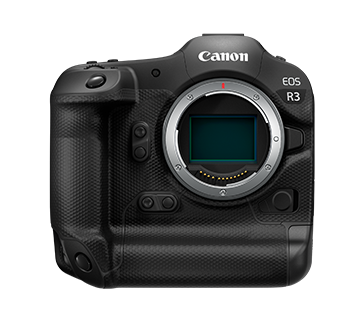
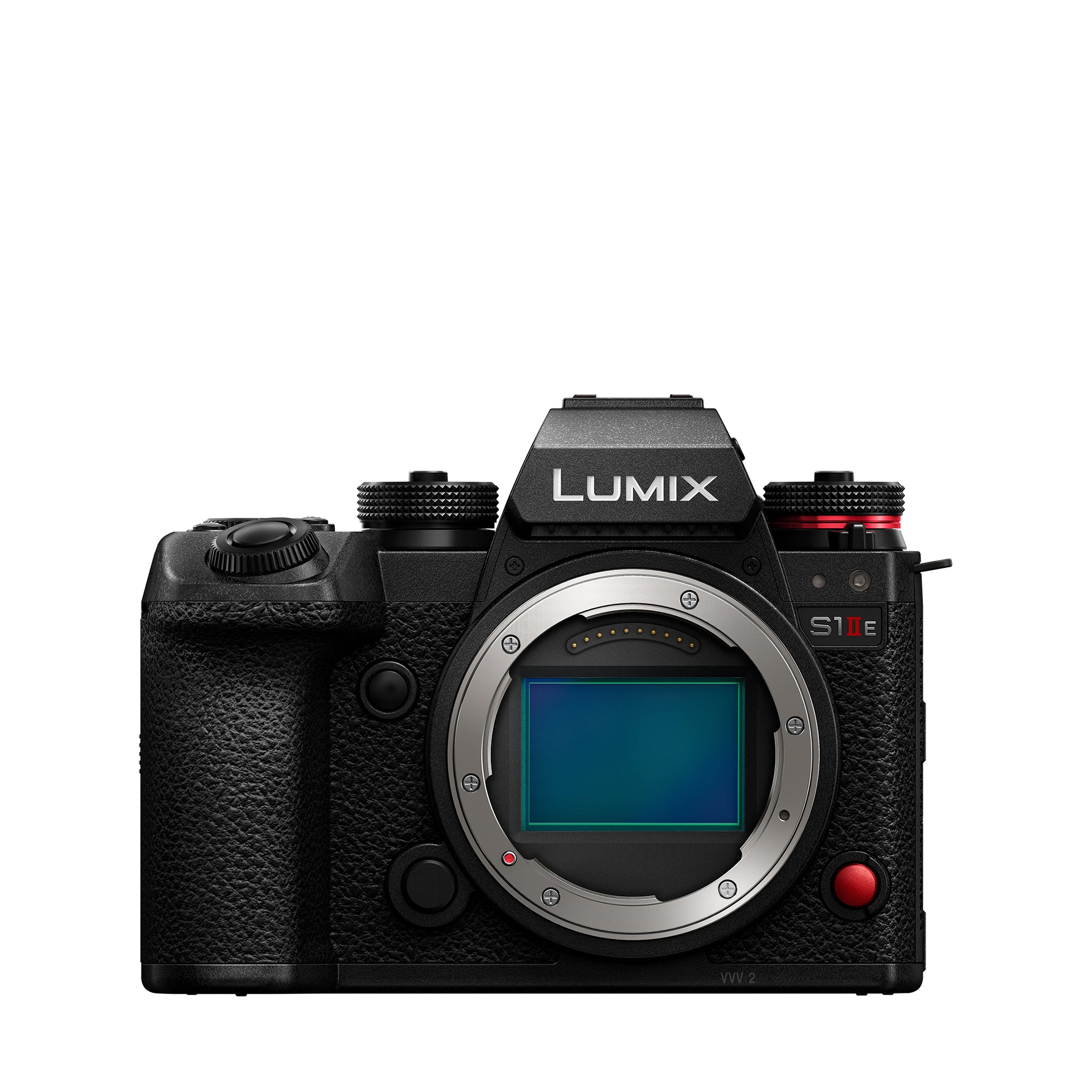
The Canon EOS R3 and Panasonic S1 II E are both high-performance full-frame mirrorless cameras that attract attention from both professional and enthusiast photographers. As they share key specifications, such as being full-frame cameras with around 24 megapixels and high framerate capabilities, potential buyers often compare these models to find the one that best fits their needs. While the Canon EPC R3 excels in certain areas like autofocus and high-speed photography, the Panasonic S1 II E impresses with higher video resolutions and a more robust selection of video features. Understanding these differences can help photographers choose the right tool for their specific use cases.
Specifications Comparison
Detailed Comparison
Image Quality
Both the Canon EOS R3 and Panasonic S1 II E feature stunning full-frame sensors, with the EOS R3 having a resolution of 24 megapixels compared to the slightly higher 24.1 megapixels of the S1 II E. This minor difference in resolution is unlikely to impact typical usage significantly; however, both cameras excel in low-light conditions due to their broad ISO ranges. The EOS R3 has an expansive ISO range of 100-102400, expandable to 50-204800, offering greater flexibility in low-light scenarios compared to the standard ISO range of the Panasonic S1 II E. This broader range means that the Canon camera can maintain image detail with less noise than its rival in low light. Ultimately, for pure image quality, particularly in challenging lighting conditions, the Canon EOS R3 has a slight edge.
Autofocus System
The autofocus capabilities of the Canon EOS R3 are exceptional, featuring 1053 autofocus points that cover a significant area of the frame, with advanced tracking performance for fast-moving subjects. This camera employs Canon's Dual Pixel CMOS AF technology, known for its accuracy and speed. On the other hand, while the Panasonic S1 II E also includes a capable autofocus system, it doesn't match the R3's point count. The S1 II E's autofocus is reliable and competent, especially in everyday shooting scenarios; however, for high-action photography such as sports or wildlife where subject tracking is crucial, the Canon EOS R3 shines brighter with faster and more dependable autofocus performance.
Video Capabilities
When it comes to video recording, the Panasonic S1 II E takes the lead with its impressive resolutions including 5.9K at 60p and several high-res options for flexibility in production. This versatility allows videographers to produce high-quality content tailored for various platforms. The Canon EOS R3, while capable of recording in 4K at 120p, does not offer the same level of resolution as the S1 II E. While the EOS R3 is geared towards high-speed shooting and capturing fast action in short bursts, the S1 II E's array of video options makes it more suitable for filmmakers seeking high-resolution recordings. Thus, videographers would find the Panasonic S1 II E's offerings more aligned with their needs.
Build & Ergonomics
Both the Canon EOS R3 and Panasonic S1 II E are built with quality in mind; however, there are some distinctive differences in ergonomics and weather sealing. The Canon EOS R3 is designed to withstand tough conditions with its robust body and full weather sealing, making it ideal for outdoor and adventure photography. With dimensions of 150 x 143 x 87 mm and weighing 1015g, it feels solid in hand but can also feel substantial during extended use. Meanwhile, the Panasonic S1 II E also comes with an ergonomic grip and weather-sealed body, both cameras providing excellent handling for prolonged shooting sessions. However, the perception of build quality may vary among users, with some favoring Canon's lens and ergonomic design over Panasonic's durability. Overall, both cameras score high, but for serious videographers and photographers working in variable conditions, the EOS R3's build quality might offer peace of mind.
Battery & Storage
Battery life is an essential consideration for photographers who spend extended periods shooting. The Canon EOS R3 offers a battery life of approximately 760 shots, which is quite substantial for a high-performance camera. On the other hand, the Panasonic S1 II E is known for its larger battery and can provide even longer shoot times under optimal conditions, although specific shot counts may vary based on usage scenarios. In terms of storage, both cameras support fast memory card options, but photographers might prefer different card formats based on their post-processing workflows. While the R3 is effective for longer shoots due to its battery efficiency, Panasonic's enduring reputation for battery longevity gives it an advantage here.
Value for Money
The Canon EOS R3 is priced at $5999, positioning it as a premium offering for professional photographers who demand top-notch performance and advanced features. Its autofocus system, build quality, and overall versatility in both photography and videography justify the investment for those who need cutting-edge technology. In contrast, the Panasonic S1 II E is designed to provide high video performance and solid photographic capabilities at a more moderate cost, making it a more approachable option for content creators with budget constraints. Value ultimately hinges on user priorities; whereas the R3 delivers features ideal for action-centric photographers, the S1 II E presents a broader range of video-centric functionalities.
Our Verdict
In the overall comparison, the Canon EOS R3 stands out for its superior autofocus system, build quality, and low-light performance, making it an excellent choice for professional photographers focused on action and portraiture. Conversely, the Panasonic S1 II E is a more versatile and accessible option for videographers and those who require high-resolution video capabilities. While both cameras cater to specific segments effectively, the Canon EOS R3 offers a slight edge due to its advanced features and performance, positioning it as the preferred choice for professionals seeking cutting-edge technology.
Canon EOS R3
Panasonic S1 II E
Also Compare
Frequently Asked Questions
Which camera is better for action photography?
The Canon EOS R3 excels in action photography due to its superior autofocus system and fast shooting speeds, making it more effective for capturing fast-moving subjects.
Is the Panasonic S1 II E better for video production?
Yes, the Panasonic S1 II E offers higher video resolutions and a range of features that cater specifically to videographers, including 5.9K recording capabilities.
What are the main differences in battery life between the two cameras?
The Canon EOS R3 has a battery life of 760 shots, while the Panasonic S1 II E can provide longer shooting periods depending on usage, making it potentially more favorable for long sessions.
Are both cameras weather-sealed?
Yes, both the Canon EOS R3 and Panasonic S1 II E are weather-sealed, providing protection against moisture and dust, suitable for outdoor photography.
Which camera has better low-light performance?
The Canon EOS R3 offers a wider ISO range, allowing for superior performance in low-light conditions compared to the Panasonic S1 II E.