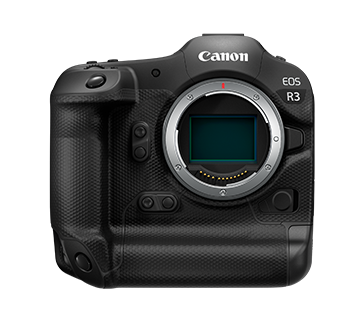
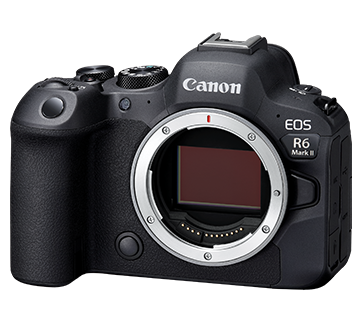
The Canon EOS R3 and Canon EOS R6 Mark II are two highly acclaimed mirrorless cameras in Canon's lineup, often compared due to their overlapping functionalities and respective advantages tailored for different types of photographers. Both models feature full-frame sensors and aim to provide high performance in both photo and video capture. However, the crucial differences between them cater to distinct user needs: the R3 is designed with professional action photographers in mind, while the R6 Mark II appeals to enthusiasts and hybrid shooters looking for a versatile, affordable option.
Specifications Comparison
Detailed Comparison
Image Quality
Both cameras feature a 24-megapixel full-frame sensor that delivers excellent image quality with impressive detail. They both share the same ISO range of 100-102400, which can be expanded to 50-204800 in the R3. This allows for low-light performance that can enhance image quality in challenging lighting conditions. However, the R6 Mark II also has the ability to expand to a high of 204800, providing it an edge in extreme low-light scenarios. Real-world tests reveal that both models perform admirably in terms of dynamic range and color reproduction, but the slight enhancement in the R6 Mark II's high-ISO capabilities allows for cleaner results at the upper limits. Given these factors, it becomes a close contest, with both systems proving competent depending on the use case.
Autofocus System
The Canon EOS R3 boasts an impressive autofocus system with 1053 AF points, making it capable of tracking subjects with remarkable precision, especially during fast-paced shooting. Additionally, it features various autofocus technologies, including Eye AF and Animal Detection, which are crucial for wildlife or sports photographers. On the other hand, the R6 Mark II takes the lead in the number of autofocus points, featuring a staggering 4897 AF points which enhance its subject recognition capabilities across a wide frame. This means the R6 Mark II may perform better in tracking moving subjects across the entire viewfinder area. Below the surface numbers, both cameras are fast and reliable; however, the R6 Mark II's broader point coverage grants an advantage when it comes to versatile shooting scenarios.
Video Capabilities
In terms of video recording, the Canon EOS R3 excels significantly, allowing 4K recording at up to 120 frames per second, making it ideal for high-speed video capture and creating slow-motion effects. This capability positions the R3 as a preferred choice for videographers and content creators requiring high-resolution video. The R6 Mark II, while capable of 4K recording, is limited to 60 frames per second. Both cameras support C-Log profiles, granting extensive post-processing flexibility, but the higher frame rate on the R3 makes it the better option for serious video work. For filmmakers or content-focused professionals, the R3 clearly stands out.
Build & Ergonomics
Regarding build quality, both models are weather-sealed, ensuring durability in challenging environmental conditions. The R3 is larger and heavier, weighing in at 1015 grams compared to the R6 Mark II's 670 grams, which may lead to fatigue during extended shooting sessions. This weight difference can be a deciding factor for many photographers who prioritize portability. Additionally, the R3 features a larger 3.2" touch screen with 4.15 million dots compared to the 3" screen of the R6 Mark II that houses 1.62 million dots, resulting in better visibility and touch responsiveness. While both cameras feel robust, the R3's enhanced ergonomics and control layout might appeal to professionals needing precise handling and control during critical moments.
Battery & Storage
Battery life is a crucial aspect for serious photographers, and here, the EOS R3 offers a slightly superior performance, rating at approximately 760 shots per charge compared to the R6 Mark II's 580 shots. This difference can have a significant impact on long shoots where battery management becomes critical. Moreover, both cameras support dual card slots, but the R3's compatibility with CFexpress Type B cards positions it for faster writing speeds, particularly beneficial during high-speed continuous shooting or video capture. With this superior battery and storage solution, the R3 appeals to those requiring longevity and speed during their shoots.
Value for Money
Price is often a significant deciding factor, and the Canon EOS R6 Mark II offers a lower entry price at around $2499 compared to the Canon EOS R3's $5999. This price difference makes the R6 Mark II a compelling option for enthusiasts and semi-professionals who desire high performance without the considerable financial investment. While the R3 excels in features and performance, the R6 Mark II offers exceptional value, particularly for those who might not need the advanced sports and video capabilities of the R3. Users should weigh their specific requirements against their budget when making a decision here.
Our Verdict
In conclusion, while both the Canon EOS R3 and the EOS R6 Mark II are impressive cameras, the R3 emerges as the overall winner due to its superior video capabilities, advanced autofocus performance, and robust build quality. However, the R6 Mark II is a fantastic choice for enthusiasts or hybrid shooters seeking a more budget-friendly option without compromising too much on performance. Depending on the user's photography style-whether it's fast-paced sports, wildlife photography, or general hybrid shooting, one model will certainly cater better to individual needs.
Canon EOS R3
Canon EOS R6 Mark II
Also Compare
Frequently Asked Questions
Which camera is better for wildlife photography?
The Canon EOS R3 is better due to its superior autofocus system and faster burst rate, making it more adept at tracking swift animal movements.
Is the R6 Mark II sufficient for videography?
Yes, the EOS R6 Mark II supports 4K video recording at 60 fps, which is suitable for many videography needs, albeit lacking in higher frame rates compared to the R3.
How does low-light performance compare?
Both cameras perform well in low light, however, the R6 Mark II's expanded ISO capability offers slightly cleaner images at extreme low-light settings.
Which camera is more user-friendly?
The R6 Mark II's lighter weight and slightly simpler controls make it a more user-friendly option for beginners transitioning to full-frame photography.
What should I consider if I want to shoot sports?
Consider the EOS R3 for its superior autofocus and high-speed capabilities which are crucial for capturing fast-moving subjects in sports photography.