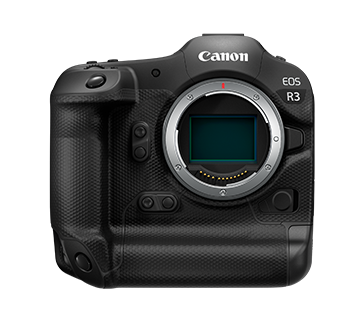
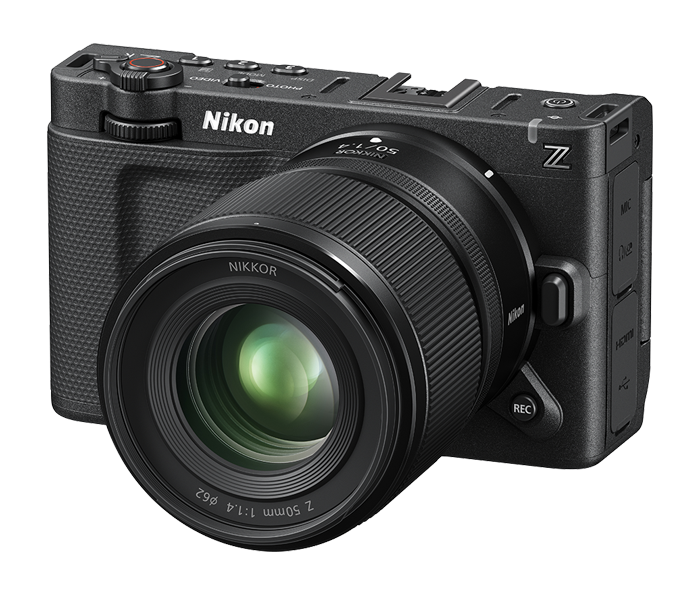
The Canon EOS R3 and Nikon ZR are two formidable contenders in the realm of full-frame mirrorless cameras, often compared by professional photographers and videographers seeking exceptional performance and reliability in their tools. Canon's EOS R3, released in 2021, is touted for its robust features aimed at sports and wildlife photographers, while the Nikon ZR, fresh on the market in 2025, appeals to users looking for an advanced all-around performer at a more accessible price. Understanding the key differentiators in specifications, performance, and ergonomics is essential for potential buyers who may be trying to determine which camera fits their photographic or videographic needs better.
Specifications Comparison
Detailed Comparison
Image Quality
Both the Canon EOS R3 and Nikon ZR utilize full-frame sensors that deliver impressive image quality, but there are slight nuances in their specs. The Canon EOS R3 features a 24-megapixel sensor, while the Nikon ZR offers a slightly higher resolution at 25 megapixels, potentially providing a bit more detail in large print formats. With an ISO range that extends significantly higher, the EOS R3 offers flexibility from 100-102400, expandable to 204800, providing excellent performance in low-light conditions. In contrast, the Nikon ZR's ISO range caps at 64000, which may limit its capabilities in extreme low-light scenarios.
In terms of color reproduction and dynamic range, both brands have their loyalists, but Canon's post-processing algorithms are often favored for their vibrant skin tones and overall aesthetic. Users might find images from the Canon EOS R3 appear somewhat richer and more suitable for portrait photography, whereas the Nikon ZR may lean towards natural color reproduction, appealing for landscape and documentary work. Both systems provide RAW and JPEG options, ensuring flexibility in editing. Any slight edge in image quality might ultimately depend on personal preferences and use cases.
Autofocus System
The autofocus system is critical for professional photographers, especially those working with fast-moving subjects. The Canon EOS R3 boasts an impressive 1053 autofocus points, which provides extensive coverage across the frame and allows for precise tracking. This makes it particularly adept in dynamic environments where capturing the perfect moment is essential, such as sports or wildlife photography. The EOS R3 also utilizes advanced AI for subject recognition, allowing it to lock onto subjects quickly even in challenging lighting conditions.
On the other hand, the Nikon ZR has 273 autofocus points, which still offers good coverage but is less comprehensive than its Canon counterpart. While Nikon's system is known for its reliability and accuracy, particularly in still photography, it may lag behind the EOS R3 in video autofocus performance and tracking consistency in active scenes. For photographers who prioritize fast and reliable autofocus in high-stakes shooting scenarios, the Canon EOS R3 clearly has the advantage.
Video Capabilities
Videographers will appreciate the Canon EOS R3's robust video capabilities, offering 4K recording at up to 120 frames per second. This makes it suitable for high-frame-rate applications, including slow-motion footage, a feature that is particularly important for sports, events, and dynamic storytelling. The R3 also provides options for internal C-Log recording, facilitating greater control over color grading in post-production. The combination of high resolution and frame rates is a significant draw for video professionals.
Conversely, the Nikon ZR, while offering solid video capabilities, lacks the same high-frame-rate options, which is a limitation for those looking to create smooth slow-motion effects. The absence of 4K/120p recording makes the ZR less appealing for videography needs compared to the R3. If video is a key component of your work, the Canon EOS R3 stands as the clear winner in this category.
Build & Ergonomics
In terms of build quality, both cameras are weather-sealed and designed to withstand professional use in varying conditions. The Canon EOS R3 is slightly bulkier, weighing 1015 grams, and its dimensions make it a robust option for heavy-duty shooting. Its ergonomics are typically praised, providing a comfortable grip and easy access to controls, particularly for prolonged use in demanding environments.
The Nikon ZR, being significantly lighter at only 630 grams, offers a more compact form factor that could appeal to travel and street photographers looking for portability. Its smaller form may, however, sacrifice some ergonomic advantages that larger cameras like the R3 benefit from, especially for users with larger hands. Ultimately, the choice may come down to personal preference regarding weight and comfort during long shooting sessions.
Battery & Storage
Battery life is another essential factor for photographers in the field. The Canon EOS R3 outperforms the Nikon ZR with a rated battery life of approximately 760 shots per charge, allowing extended shooting without frequent interruptions for battery changes. This advantage can be particularly beneficial for events, weddings, or wildlife photography where access to charging facilities may be limited.
On the other hand, the Nikon ZR, while it doesn't specify its battery life in shots, is generally expected to last fewer shots due to its smaller body and battery size. The difference in battery performance could lead to practical challenges when out in the field. Additionally, both cameras support CFexpress and SD cards, but the performance of card slots may vary slightly, with the R3 generally benefitting from faster write speeds owing to the advanced CFexpress options.
Value for Money
When considering value for money, the Nikon ZR stands out prominently with a price tag of $2200 compared to the Canon EOS R3's $5999. While price often correlates with performance, the ZR provides a solid set of features suitable for many enthusiasts and some professionals without the steep investment required by the R3. This lower price point opens the door for a broader audience, particularly those who may not need the advanced capabilities of the R3.
However, serious professionals who will utilize features like high-speed shooting, superior autofocus, and advanced video capabilities may find the investment in the Canon EOS R3 worthwhile for the level of performance and output quality it delivers. While the Nikon ZR is a compelling option, the premium features of the R3 serve professionals who rely on reliability and performance under pressure. Thus, the value proposition greatly depends on the intended use and budget constraints of the buyer.
Our Verdict
Overall, the Canon EOS R3 emerges as the winner in this comparison due to its superior autofocus system, unparalleled video capabilities, and exceptional image quality. It is well-suited for professional photographers and videographers who require the best performance in demanding situations. However, the Nikon ZR offers significant value for money, making it a suitable choice for enthusiasts and semi-professionals who may not need the extensive features of the R3. While the Canon excels in high-end applications, the Nikon provides a robust alternative for those focusing on cost versus performance.