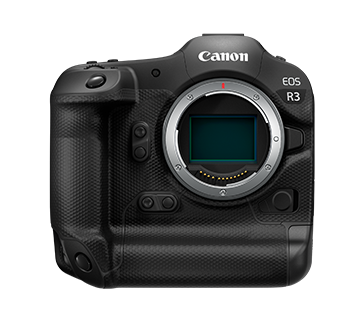
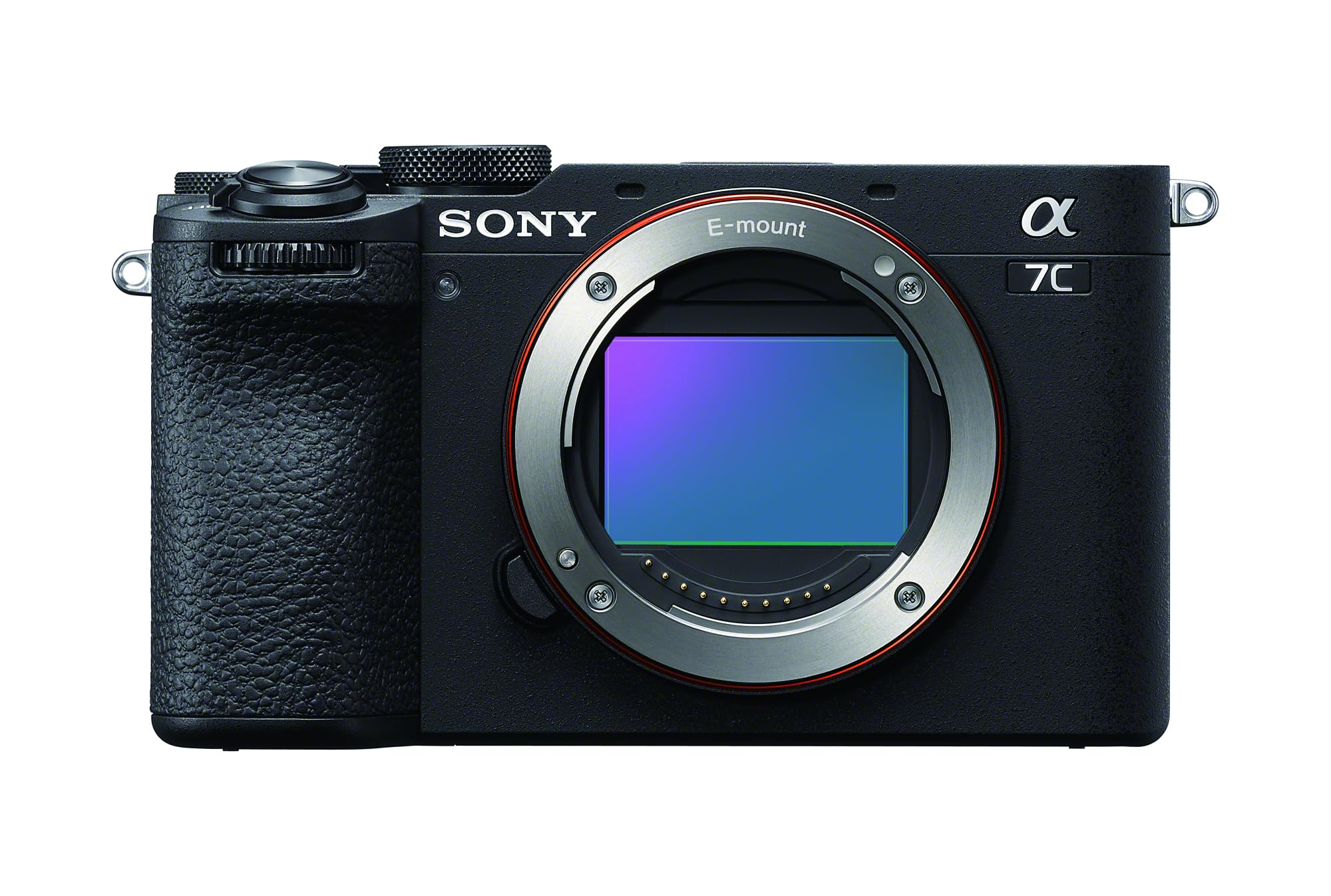
The Canon EOS R3 and Sony A7C II are two compelling options in the full-frame mirrorless camera market, often compared due to their shared attributes and distinct capabilities. Photographers and videographers alike might be torn between these two models as they appeal to different user needs. The R3 is tailored for professional sports and wildlife photographers with its impressive burst shooting rate, superior autofocus, and weather sealing, while the A7C II provides a more compact body and higher resolution, making it ideal for casual shooters and vloggers on the go. Understanding the key differentiators such as sensor performance, autofocus, video capabilities, and overall value is essential for potential buyers looking to make an informed decision.
Specifications Comparison
Detailed Comparison
Image Quality
In terms of image quality, both the Canon EOS R3 and Sony A7C II excel, each offering unique strengths. The R3 sports a 24-megapixel full-frame sensor, while the A7C II offers a higher 33-megapixel sensor, allowing for greater detail and larger prints. The R3 performs incredibly well at higher ISO ranges, stretching from 100 to 102,400, with an expandable range up to 204,800, which is particularly beneficial for low-light photography. Meanwhile, the A7C II has a slightly lower native ISO range, extending from 100 to 51,200 but also expanding to 204,800, making it reasonable for low-light use as well.
Colors and dynamic range lean favorably towards the R3 due to Canon's renowned color science, which is often preferred by portrait and wedding photographers. However, the A7C II benefits from Sony's excellent high-resolution capabilities, producing sharper images that can capture more detail. In practical scenarios, users will find that both cameras deliver exceptional results, but the resolution advantage of the A7C II might be more beneficial for those prioritizing details in their work.
Overall, while the R3 has outstanding low-light capabilities and color accuracy, the A7C II offers higher resolution images. Thus, for professional users seeking broader dynamic range and color performance, the R3 may still have the edge.
Autofocus System
The autofocus systems of both cameras are robust, yet they cater to different types of shooters. The Canon EOS R3 features an impressive 1,053 autofocus points, providing extensive coverage across the frame. Its Dual Pixel CMOS AF technology ensures fast tracking and focus acquisition, particularly in dynamic shooting situations like sports. This camera features Eye Track AF that excels at keeping track of subjects' eyes, making it very reliable for sports and wildlife photographers.
On the other hand, the Sony A7C II incorporates 759 autofocus points, which also perform admirably but may not match the all-encompassing coverage of the R3. Nevertheless, it employs subject recognition technology that works well for both human and animal subjects, making it quite capable in most situations. With continuous improvements in their AI algorithms, the A7C II helps enhance real-time tracking.
While both cameras offer fantastic autofocus systems, the sheer number of points and the advanced tracking capabilities of the R3 bring it to the forefront for those who prioritize speed and precision during action shots. Ultimately, the R3's autofocus system outshines in optimal conditions, whereas the A7C II remains very competent for everyday photography needs.
Video Capabilities
When it comes to video capabilities, the Canon EOS R3 is equipped to meet the demands of professional videographers with the ability to capture 4K footage at a 120p frame rate, allowing for smooth slow-motion shots. It supports 10-bit 4:2:2 internal recording, offering greater post-production flexibility. This makes it an optimal choice for serious filmmakers who require high-performance features in demanding environments.
In contrast, the Sony A7C II can record 4K video up to 60p, which, while still robust, lacks the frame rates offered by the R3. It also supports 10-bit 4:2:0 recording, which may not provide the same level of detail in color grading compared to the R3's options. However, for content creators prioritizing ease of use and portability, the A7C II's compact design could be more beneficial for casual filming.
Despite its impressive features, the wider video capabilities and superior recording performance of the R3 establish it as the preferred choice for filmmakers looking for high frame rate options and richer color depth. Therefore, while the A7C II holds its ground in video functionality, it remains behind in comparison to the R3's extensive capabilities.
Build & Ergonomics
The build and ergonomics of both cameras are commendable, catering to different user preferences. The Canon EOS R3, being the bulkier of the two, weighs 1015 grams and boasts dimensions that provide a solid grip for extended shooting sessions, which is beneficial for professionals. It is also fully weather-sealed, ensuring reliability in tough conditions, such as rain or dust.
The Sony A7C II, weighing only 514 grams, presents a much smaller and lightweight option, making it a great choice for travel and street photography. Its compact form also means it can be carried around easily, though it may sacrifice some grip comfort during extended usage. Nevertheless, the A7C II is also weather-sealed, ensuring ruggedness in diverse environments.
Ultimately, the choice between the two comes down to user preference for portability versus stability. While the R3 is undoubtedly sturdier and ergonomically designed for intensive professional use, the A7C II appeals to those needing something lighter and easier to carry. Therefore, this category can be considered a personal preference rather than a definitive win for either model.
Battery & Storage
In terms of battery life, the Canon EOS R3 excels with a capacity of approximately 760 shots per charge, significantly outlasting the A7C II, which is rated for about 540 shots. This gives the R3 a considerable advantage for long shooting sessions without frequent battery changes, which is crucial for any professional setting.
Both cameras use similar storage options, compatible with CFexpress for the R3 and SD cards for the A7C II. This difference can influence speed, particularly in video recording; the CFexpress card of the R3 allows for faster write speeds essential for high-resolution video formats and burst photography. Meanwhile, the A7C II's SD card slot, while versatile, may face limitations when handling high-speed continuous shooting or 4K video at higher frame rates.
Consequently, the R3 has a clear advantage in terms of battery longevity and the potential storage speed offered by CFexpress, making it a better fit for professionals who may need to shoot for extended periods or require rapid data retrieval. In contrast, the A7C II's strengths lie with its portability and general use, but it falls short in this specific feature.
Value for Money
When it comes to pricing, the Canon EOS R3 comes in at a premium of $5999, while the Sony A7C II is much more accessible at $2200. This pricing difference might steer amateur photographers or budget-conscious users towards the A7C II, given its solid performance and features that cater well to casual purposes. Furthermore, the A7C II offers an attractive balance of resolution, video quality, and ergonomics, making it appeal to a wider range of consumers.
However, it's essential to consider the target audience for each camera. The R3 is designed for professionals who require high-end features, speed, and reliability for demanding tasks like sports and wildlife photography or professional filmmaking. For these users, the price may be justified by the superior performance and enhanced capabilities.
In essence, while the A7C II presents exceptional value for money for casual users, the R3 caters to the professional market that demands extraordinary features. Therefore, while the A7C II is excellent for beginners or enthusiast photographers, those requiring extensive functionalities will find a more fitting investment in the R3.
Our Verdict
In conclusion, both the Canon EOS R3 and Sony A7C II cater to different user bases effectively, creating a balanced competition between the two models. While the R3 shines in terms of autofocus performance, battery life, and video capabilities, it is positioned at a higher price, appealing mainly to professional users who demand high-end capabilities. On the other hand, the A7C II provides superb resolution, portability, and excellent value for money, making it perfect for enthusiasts and casual photographers seeking quality without breaking the bank. Therefore, the choice ultimately depends on individual needs, as professionals will likely favor the R3's feature sets while casual users may lean towards the A7C II for its accessibility and price.
Canon EOS R3
Sony A7C II
Also Compare
Frequently Asked Questions
Which camera is better for sports photography?
The Canon EOS R3 is better suited for sports photography due to its superior autofocus system, high frame rate capabilities, and overall robust performance in demanding shooting scenarios.
Is the Canon R3 worth the investment?
If you require top-tier performance, advanced autofocus, and extensive video capabilities for professional use, the Canon R3 justifies its investment. However, if you're an enthusiast, you may get excellent results with the more cost-effective A7C II.
How does low-light performance compare between the two cameras?
The Canon EOS R3 has a broader native ISO range that allows for better performance in low-light conditions. However, both cameras are capable when used properly in low light.
Is the A7C II good for vlogging?
Yes, the Sony A7C II is compact and lightweight, making it an excellent choice for vlogging, with commendable video quality. Its features cater well to content creators on the move.
Can both cameras handle professional video work?
While both cameras perform well, the Canon EOS R3 provides more advanced features for serious video production, including a higher frame rate for 4K video, making it more desirable for professionals. The A7C II is capable but is better suited for casual to semi-professional use.