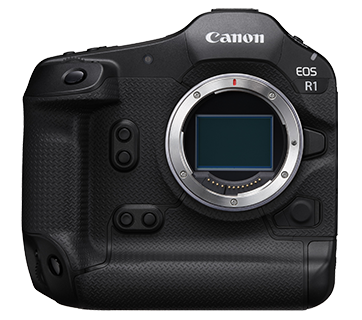
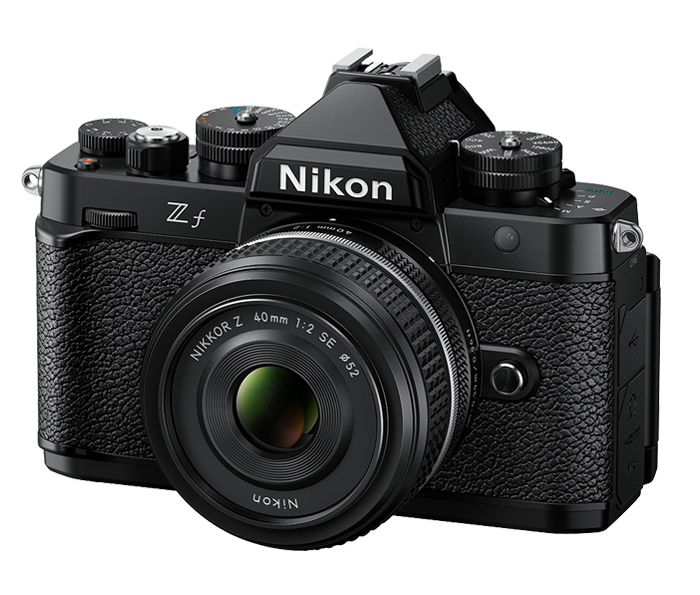
The Canon EOS R1 and Nikon Zf are two prominent full-frame mirrorless cameras from leading manufacturers, appealing to photography enthusiasts and professionals alike. They are frequently compared due to their advanced features and capabilities aimed at high-end users. Choosing between these two cameras often revolves around specific needs such as autofocus performance, image quality, video capabilities, and overall build quality. While the Canon EOS R1 aims at professional sports and wildlife photographers with its extensive autofocus system, the Nikon Zf positions itself as a versatile option for both photography and videography with its solid 4K video support.
Specifications Comparison
Detailed Comparison
Image Quality
Both the Canon EOS R1 and Nikon Zf utilize full-frame sensors, allowing for superior image quality and depth of field control. The Canon EOS R1 has a slightly lower megapixel count at 24 MP compared to Nikon's 25 MP, which translates to a marginal difference in resolution. However, the R1's sensor technology and image processing might offer superior performance in terms of dynamic range and color accuracy, particularly in challenging lighting conditions. Nikon's Zf also performs admirably and includes features that enhance color science, making both cameras capable of producing stunning images. Ultimately, the image quality is high for both, but Canon may have a slight edge in dynamic range in real-world scenarios, particularly for professional applications. Therefore, this round is a close one.
Autofocus System
The Canon EOS R1 stands out with an impressive 4897 autofocus points, significantly outperforming the Nikon Zf, which has 273 autofocus points. This extensive autofocus system allows the R1 to excel in tracking fast-moving subjects, making it an ideal choice for sports and wildlife photography. Additionally, Canon's Dual Pixel technology provides smooth focus transitions, enhancing video capture. In contrast, while the Zf's autofocus system is competent and has features for subject tracking, it cannot match the precision and speed offered by the R1's advanced system. Therefore, for photographers prioritizing autofocus performance, especially in dynamic situations, the EOS R1 emerges as the clear favorite.
Video Capabilities
When it comes to video features, the Nikon Zf takes a lead with its capacity to shoot 4K video at 60p, enabling high-quality video production suitable for more demanding videographers. While the Canon EOS R1 also supports video recording, its specifications regarding frame rates and codec support were not specified here but are often seen as optimized for high-end applications rather than casual use. The flexibility of the Zf's video features, including multiple recording formats and high frame rates, make it appealing for hybrid shooters who need robust video options. Consequently, for those who prioritize videography, the Nikon Zf becomes a strong contender in this category.
Build & Ergonomics
The Canon EOS R1 is built to endure the rigors of professional photography, featuring weather sealing to prevent dust and moisture ingress-a critical requirement for outdoor photography. It also boasts dimensions of 158 x 150 x 87 mm and weighs 1115 g, giving it a substantial feel in hand, which many professionals prefer. Meanwhile, the Nikon Zf is more compact at 144 x 103 x 49 mm and weighs only 710 g, making it more portable and lighter to carry, which is an advantage for those who prioritize mobility over ruggedness. Both models include 3.2-inch screens with 2,100,000 dots for clear imaging, and while many users may have preferences for the weight and feel of each, the EOS R1 is more suited for heavy-duty use, thus claiming an upper hand in terms of build quality.
Battery & Storage
Battery life is a critical factor for any photographer, and the Nikon Zf offers a respectable lifespan with a rated capacity of 380 shots per charge. In contrast, Canon's specifications for the R1 suggest it is optimized for higher performance in professional settings, potentially allowing for longer usage on a single charge without explicitly stating a number. Moreover, both models support a variety of card formats; however, without confirmed data on R1's total capacity and performance metrics, the Zf's rated battery life gives it the small edge for photographers who prefer shooting for longer stretches without changing batteries.
Value for Money
Price is an essential consideration when comparing the two; the Canon EOS R1 commands a premium price of $6299, which appeals to dedicated professionals who require top-tier performance. In contrast, the Nikon Zf is significantly more affordable at $1999, providing excellent features for its price and appealing to enthusiasts and semi-professionals. Although the R1 offers superior specifications in autofocus and build quality, the Zf's lower price point allows a broader range of users to access high-quality photography and videography services. The overall value proposition of the Zf is compelling, making it a more accessible option without sacrificing essential capabilities.
Our Verdict
In this comparison, the Nikon Zf edges out due to its excellent value for money, strong video features, and a size that appeals to photographers looking for mobility. While the Canon EOS R1 excels in autofocus and build quality, its high price may deter some buyers. For those seeking a top-of-the-line sports photography experience, the R1 offers undeniable advantages, particularly in AF performance and durability. However, the Zf presents itself as a well-rounded choice suitable for both photography and videography, making it a strong contender for users who require versatility without breaking the bank.
Canon EOS R1
Nikon Zf
Also Compare
Frequently Asked Questions
Which camera is better for professional sports photography?
The Canon EOS R1, with its extensive autofocus system and superior tracking capabilities, is better suited for professional sports photography.
Is the Nikon Zf a good camera for video?
Yes, the Nikon Zf's ability to shoot 4K at 60p makes it an excellent choice for videographers, offering great versatility for video production.
How important is weather sealing for outdoor photographers?
Weather sealing is crucial for outdoor photographers who often face diverse and challenging environmental conditions, making the Canon EOS R1 a more suitable option in such cases.
What are the benefits of a higher number of autofocus points?
A higher number of autofocus points, like those in the Canon EOS R1, allows for more precise focusing on subjects, especially fast-moving ones, providing better tracking during shooting.
Can the Nikon Zf handle low-light photography effectively?
Yes, both cameras perform well in low-light conditions, but the R1 may have a slight edge in dynamic range, allowing better results in demanding lighting.