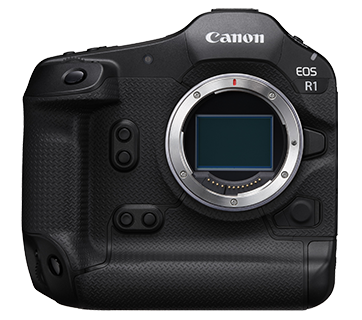
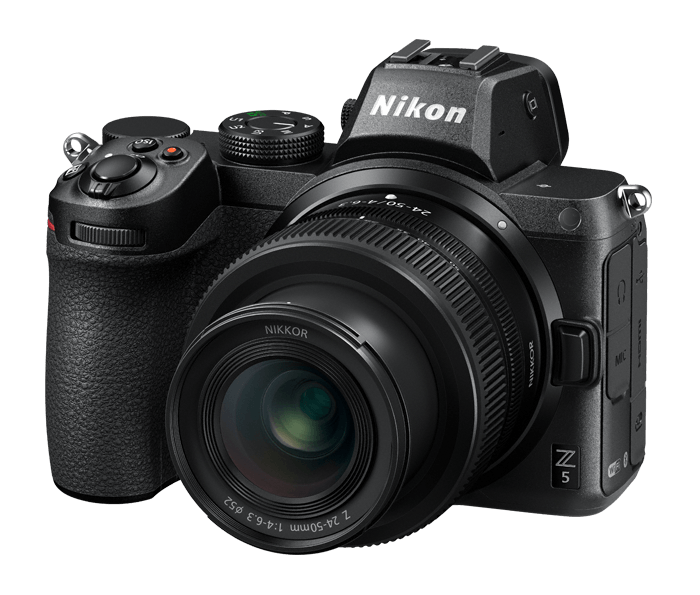
The Canon EOS R1 and Nikon Z5 are two compelling options in the full-frame mirrorless camera market, appealing to different segments of photographers and videographers. The EOS R1, set to release in 2024, promises cutting-edge features aimed at high-end professional users, while the Z5, released in 2020, targets enthusiasts seeking a robust and versatile camera. As such, these models are frequently compared by buyers looking for a blend of performance, usability, and price versus specifications. Key differentiators include autofocus capabilities, video performance, battery life, and overall system integration.
Specifications Comparison
Detailed Comparison
Image Quality
Both the Canon EOS R1 and Nikon Z5 utilize full-frame sensors with a resolution of 24 megapixels, ensuring competitive image quality in various shooting conditions. The R1's advanced image processing system is expected to enhance dynamic range and color accuracy, making it ideal for professional applications where detail is paramount. In contrast, the Z5's sensor provides excellent image quality, capable of producing detailed images with good low-light performance and a wide ISO range of 100-51200, expandable up to 102400. However, the EOS R1's newer technology may give it a slight edge in achieving superior overall image refinement.
While both cameras handle high ISO settings well, photographers seeking extreme low-light performance might prefer the Z5's wider ISO capabilities. That said, the R1's sophisticated noise reduction algorithms may provide cleaner images at higher ISO levels, which is crucial for professional work. Ultimately, while image quality between the two is quite close, the expected advancements in the EOS R1 may provide it with the upper hand in critical scenarios.
Autofocus System
The Canon EOS R1 boasts an impressive 4897 autofocus points, facilitating swift and accurate focus tracking, especially in dynamic scenes. This extensive focus point coverage is particularly beneficial for wildlife and sports photography, where quick and precise autofocus can make or break a shot. In comparison, the Nikon Z5 features 273 focus points, which, while adequate for most situations, are less comprehensive than those offered by the R1, potentially impacting performance in fast-moving environments.
The R1's advanced autofocus capabilities, including eye-detection and improved subject tracking, are also expected to enhance user experience, especially for portrait photographers. Meanwhile, the Z5 still delivers reliable autofocus, particularly for stills and slower-moving subjects. In terms of autofocus technology, the EOS R1's system is positioned as a superior solution for high-demand applications.
Video Capabilities
In the realm of video, the Canon EOS R1 has not only 4K capabilities but is also likely to introduce higher frame rates and advanced video features expected of high-end mirrorless cameras aimed at professionals. Although detailed specifications for video modes are still pending, users can anticipate features such as C-log and possibly 8K recording, which would significantly elevate its utility for filmmakers.
On the other hand, the Nikon Z5 supports 4K video at 30 frames per second but lacks some advanced features found in more expensive models, such as 10-bit output. For most enthusiasts and entry-level videographers, the Z5 offers satisfactory performance, but those looking for professional-grade video functionalities would find the R1's capabilities more appealing. Therefore, for high-end video production, the EOS R1 is expected to outperform the Z5 in versatility and quality.
Build & Ergonomics
Both the Canon EOS R1 and Nikon Z5 feature weather-sealed bodies, making them resilient against challenging shooting conditions. The EOS R1 is larger and heavier at 1115 g, which may provide a more substantial grip for users familiar with heavier DSLR bodies. Its dimensions (158 x 150 x 87 mm) reflect a design aimed at professionals needing extensive controls and robust feel.
Conversely, the Z5 is lighter at 675 g and more compact (134 x 101 x 70 mm), appealing to enthusiasts who prioritize portability. The ergonomic design and button layout of the Z5 also cater to comfortable extended use, although it may not match the extensive customization options of the R1. In terms of handling and usability, preferences may vary, but the R1's design is likely to be more suited for professional demands.
Battery & Storage
Battery performance is another key factor where the Nikon Z5 has an advantage with a rated battery life of approximately 470 shots per charge, which is sufficient for a day of casual shooting. Although specific battery life figures for the Canon EOS R1 are not yet available, higher-end cameras often prioritize power efficiency, suggesting it may not trail significantly behind the Z5 in practical use.
In terms of storage, both cameras utilize CFexpress storage, aiding in high data transfer rates which benefit their video performance capabilities. However, Canon's latest models often provide additional features, such as dual card slots, which can enhance workflow for professionals capturing large volumes of high-resolution data. Overall, the Z5 has an edge in battery life, while the R1's as-yet-uncertain details could swing the balance based on its final specifications.
Value for Money
Evaluating value for money, the Nikon Z5 at $1399 offers an attractive package for enthusiasts and entry-level professionals, combining quality features with an accessible price point. This makes it suitable for a wide range of users who want the benefits of a full-frame camera without breaking the bank. Additionally, its video and photo capabilities are aligned with its price, making it a solid choice for those prioritizing budget without significantly sacrificing quality.
In stark contrast, the Canon EOS R1 is positioned at a premium price of $6299, designed explicitly for professional use with cutting-edge technology and advanced features. While it may provide superior performance, its elevated price means it's primarily targeted at serious professionals whose work demands the latest innovations. For the average user or hobbyist, the R1 may seem like an excessive investment. In this aspect, therefore, the Nikon Z5 is the clear winner in terms of overall value.
Our Verdict
Overall, the Canon EOS R1 emerges as the winner primarily due to its superior autofocus system, advanced video capabilities, and robust build quality tailored for professional photographers and videographers. While the Nikon Z5 represents excellent value for enthusiasts seeking a reliable full-frame experience, it lacks some high-end features that the R1 brings to the table. Therefore, for those who can afford it and require the highest performance level, the EOS R1 is a more fitting choice. For users prioritizing budget and everyday usability, the Z5 remains a fantastic option.
Canon EOS R1
Nikon Z5
Also Compare
Frequently Asked Questions
Which camera is better for professional sports photography?
The Canon EOS R1 with its 4897 autofocus points excels in fast-paced environments, making it better suited for professional sports photography.
Is the Nikon Z5 a good choice for video recording?
Yes, while it supports 4K video at 30p, serious videographers may find the advanced features of the Canon EOS R1 more advantageous for high-quality productions.
How do both cameras perform in low-light situations?
Both cameras perform well, but the Nikon Z5's extended ISO range offers greater flexibility in low-light settings, potentially giving it an edge.
Which camera offers better durability?
Both cameras are weather-sealed, but the Canon EOS R1 may provide a more robust build, ideal for professional use in tough conditions.
What is the primary user base for each camera?
The Canon EOS R1 targets professionals and serious enthusiasts who demand cutting-edge technology, while the Nikon Z5 is aimed at entry-level and enthusiast photographers seeking a balance of quality and affordability.