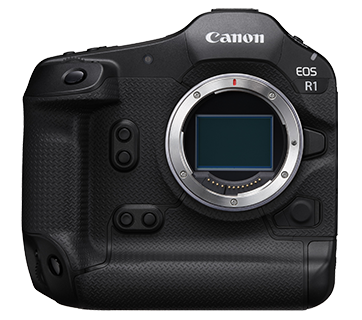
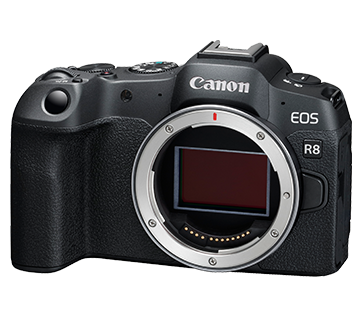
The Canon EOS R1 and Canon EOS R8 are two standout models in Canon's mirrorless lineup, each targeting distinct segments of photographers and videographers. The R1 is positioned as a high-end camera for professionals, boasting advanced features and performance suitable for sports, wildlife, and other fast-paced environments. In contrast, the R8 appeals to enthusiasts and semi-professionals looking for quality and versatility at a more accessible price point. Understanding the strengths and weaknesses of each model is crucial for potential buyers as they navigate their options in the full-frame mirrorless space.
Specifications Comparison
Detailed Comparison
Image Quality
Both the Canon EOS R1 and R8 share a full-frame sensor with 24 megapixels, offering impressive image quality. The R1, with its advanced processing capabilities, provides exceptional detail and dynamic range, making it suitable for high-level professional work. Additionally, the R1's sensor is optimized for high-speed shooting and low-light performance, taking advantage of its enhanced noise reduction algorithms.
On the other hand, the EOS R8, while also delivering high-quality images, is designed primarily with the enthusiast in mind. Its ISO range extends up to 102400, allowing for excellent performance in low-light scenarios. However, given its lower positioning in Canon's lineup, it may not match the handling of high-ISO noise as effectively as the R1 under demanding conditions.
When it comes to color science, both cameras exhibit Canon's renowned color profiles, but the R1 may provide more flexibility and precision in post-processing. Thus, while both models deliver remarkable image quality, the R1 has a slight edge in professional applications.
Autofocus System
The Canon EOS R1 features an impressive autofocus system with 4897 AF points, providing exceptional coverage and precision. This extensive system allows for quick tracking of subjects, making it ideal for fast-paced photography where focus accuracy is paramount. The inclusion of advanced subject recognition also enhances the shooting experience in dynamic environments.
In comparison, the EOS R8 utilizes 1053 autofocus points, which, although adequate for most applications, does not match the comprehensive nature of the R1. Still, the R8's autofocus system performs well in everyday conditions, making it suitable for general photography.
While both cameras incorporate dual pixel technology for fast autofocus, the R1's superior system is especially beneficial for action shooters or wildlife photographers who require consistent focus across moving subjects. Thus, while the R8 performs commendably, the R1 excels in this regard.
Video Capabilities
The EOS R1 leads the pack when it comes to video capabilities. It supports high-resolution 8K video, enabling filmmakers to achieve unprecedented detail and cropping flexibility. With robust video features including extensive frame rate options and bitrate control, the R1 is geared toward professionals who demand the highest standards for video production.
In contrast, the EOS R8 offers 4K video capabilities at 60fps, which is sufficient for most casual videographers and content creators. While it may lack the high-end specifications of the R1, the video quality is still commendable, appealing to enthusiasts and those seeking to create high-quality video content without the need for the most advanced features.
Overall, for videographers who require cutting-edge video performance and additional creative options, the R1 clearly stands out, while the R8 serves well for everyday video shooting.
Build & Ergonomics
The Canon EOS R1 boasts a robust build quality with enhanced weather sealing, making it suitable for professional use in challenging conditions. Its larger, heavier design (1115g) provides a solid feel in hand, which is often preferred for stability when shooting with larger lenses. The camera dimensions also allow for more controls and a larger grip, giving professionals the ergonomics they desire during long shooting sessions.
In contrast, the EOS R8 is lighter at 461g and more compact (133 x 86 x 70 mm), which makes it a great option for travel and everyday use. The minimalist body design improves portability without sacrificing essential controls. Furthermore, the R8 still offers weather sealing, ensuring it can withstand typical environmental challenges.
Ultimately, the choice between the two will come down to user preference; the R1 is ideal for those who prioritize durability and control, while the R8 caters to those seeking a lightweight, portable option.
Battery & Storage
The Canon EOS R1 features a larger battery, providing a greater shooting capacity, which is a necessary advantage for professionals on long shoots. It also accommodates dual card slots, allowing for simultaneous storage to two SD cards, enhancing data security and allowing for immediate backup of high-resolution images.
On the other hand, the EOS R8 has a single card slot which limits redundancy, a feature that some professionals may find lacking. However, for hobbyists and semi-professionals, this might not pose a significant issue. The R8's battery life is also commendable but not as robust as that of the R1.
In demanding shooting situations, especially for photographers focused on workflow efficiency and reliability, the R1 provides clear superiority due to its battery and storage advantages.
Value for Money
The Canon EOS R8 shines when it comes to value for money, priced at $1499. It offers many high-end features common to full-frame cameras, making it an attractive option for enthusiasts and those who prioritize maximum return on investment without venturing into the more demanding realm of professional-grade cameras.
Conversely, the EOS R1, although priced at $6299, is built for professionals and boasts superior technology and features that justify its cost. It is an investment for serious photographers and videographers who will leverage its capabilities to their fullest in commercial scenarios.
While the R8 offers tremendous value for those who do not need the top-tier specifications, the R1's price can be seen as a reflection of its capabilities, suggesting that buyers should consider their specific needs and whether the additional cost is warranted based on their photography or video demands.
Our Verdict
Overall, the Canon EOS R1 emerges as the clear winner for professional photographers and videographers who require top-end performance, advanced features, and robust build quality. It excels in autofocus, video capabilities, and overall reliability, making it ideal for high-pressure shooting environments. In contrast, the Canon EOS R8 offers exceptional value for those seeking a capable full-frame camera for everyday photography and video work. It is a solid choice for enthusiasts or semi-professionals who desire quality without the heavy investment required for the R1, proving that both cameras serve unique purposes within Canon's lineup.
Canon EOS R1
Canon EOS R8
Also Compare
Frequently Asked Questions
Which camera is better for wildlife photography?
The Canon EOS R1 is better suited for wildlife photography due to its superior autofocus system with nearly 5000 points, enabling fast and accurate focus on moving subjects.
Can the R8 shoot high-resolution video?
The Canon EOS R8 can shoot 4K video at 60 fps, which is suitable for most videography needs, but the R1 offers advanced features like 8K recording for those requiring higher resolutions.
How does the weather sealing compare?
Both the EOS R1 and R8 are weather-sealed, making them suitable for use in various environmental conditions, although the R1's build quality is more robust for professional use.
What are the weight differences between the two cameras?
The Canon EOS R1 weighs 1115g, making it significantly heavier than the Canon EOS R8, which weighs 461g. This can impact portability and ease of use for long shoots.
Is the investment in the R1 worth it for casual photographers?
For casual photographers, the investment in the R1 may not be justified unless you require specific high-end features. The R8 provides excellent capabilities at a much lower price point.