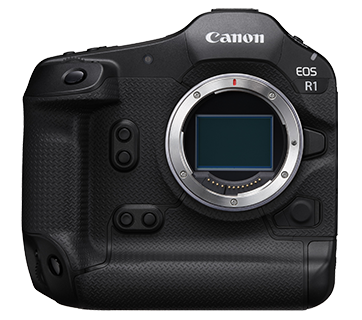

The Canon EOS R1 and Sony ZV-E1 are two remarkable full-frame cameras designed to cater to distinct segments of the photography and videography market. As Canon targets professionals and advanced enthusiasts with the EOS R1, focusing on exceptional performance and cutting-edge features, Sony positions the ZV-E1 as a more compact, user-friendly option for vloggers and content creators. Buyers often compare these models when looking for the best fit between professional photography capabilities and versatile video production in a more portable form factor. Key differentiators between the two include sensor resolution, autofocus systems, video specifications, and overall build quality.
Specifications Comparison
Detailed Comparison
Image Quality
The Canon EOS R1 features a 24-megapixel full-frame sensor, which provides a higher resolution for capturing intricate details and creates high-quality images suitable for large prints and professional use. In comparison, the Sony ZV-E1 sports a 12-megapixel sensor, which, while still capable of producing decent-quality images, may not hold up as well in terms of detail retention in larger formats. Both cameras benefit from their full-frame sensors, which excel in low-light situations and deliver a wide dynamic range. However, the higher megapixel count of the R1 makes it a better choice for photographers who prioritize detail and resolution in their work.
Moreover, the EOS R1's ability to perform remarkably well even at higher ISOs enhances its usability in various lighting conditions. With its outstanding image quality and versatility, the R1 stands out for professional photographers who require exceptional results.
In contrast, the ZV-E1 is designed primarily for video, with image quality an important aspect but not the leading feature. While it captures good images, its lower megapixel count may not suffice for enthusiasts aiming for gallery-grade prints. Thus, in terms of image quality, the Canon EOS R1 maintains an edge.
Autofocus System
The Canon EOS R1 boasts an astonishing autofocus system that features 4,897 autofocus points, providing exceptional coverage and accuracy even in challenging conditions. This sophisticated system includes advanced subject tracking and real-time eye detection that can greatly benefit both still photography and videography. Its fast and responsive autofocus allows for quick and accurate focus on moving subjects, making it ideal for sports and wildlife photography.
Meanwhile, the Sony ZV-E1, with its 759 autofocus points, offers a capable autofocus system that works exceptionally well for video applications. It features real-time object tracking which is designed specifically for content creators, ensuring that subjects remain in focus during recordings. However, while it performs adequately, it doesn't match the expansive versatility and coverage provided by the R1.
Considering both systems, while the ZV-E1's autofocus is effective for video, the R1's sophisticated and comprehensive autofocus capabilities for both stills and videos give it a significant advantage.
Video Capabilities
In terms of video capabilities, the Sony ZV-E1 excels, offering 4K video recording at 60p, which caters directly to content creators and vloggers seeking high-quality video output. Its design includes features specifically for video production, such as a fully articulated touchscreen and advanced in-body stabilization options, giving it an edge for handheld shooting.
On the other hand, while the Canon EOS R1 has not been explicitly detailed in terms of video specs, Canon has a strong tradition of including high-quality video features in its cameras, often supporting similar or higher resolutions than competitors. However, if we are to gauge based solely on current specifications, the ZV-E1 offers a clear advantage for those focused primarily on video.
Thus, for users whose primary aim is video content creation, the Sony ZV-E1 stands out as the winner in this category, making it a better choice for vloggers and filmmakers.
Build & Ergonomics
When it comes to build and ergonomics, the Canon EOS R1 is designed with robust professionals in mind. It has a significantly larger size and weight, giving it a more substantial presence in the hand, as well as enhanced controls and a weather-sealed body that can withstand challenging environments.
In contrast, the Sony ZV-E1 is compact and lightweight, making it extremely portable and ideal for on-the-go filming. Its smaller dimensions and lower weight allow for extended use without fatigue, which is particularly advantageous for vloggers who may need to carry the camera for long periods. While it lacks a viewfinder, the flip-out screen is user-friendly for self-recording.
Overall, the Canon EOS R1's durable design is better suited for professional photography, while the ZV-E1's ergonomics cater to those who prioritize portability and ease of use.
Battery & Storage
The Canon EOS R1, equipped with a larger lithium-ion battery, offers a robust power performance that is essential for extensive shooting sessions, particularly in demanding environments. Although Canon hasn't published the exact number of shots, its design typically allows for a longer life than many cameras in the market. Furthermore, it supports high-capacity CFexpress cards that enhance data transfer speeds, especially beneficial for high-resolution video data.
On the other hand, the Sony ZV-E1 has an impressive battery life, rated for approximately 570 shots, which is reasonably good for a camera of its size and type. It also supports SD cards, making it compatible with a wide range of storage solutions.
While the ZV-E1 provides good battery life for a compact camera, the R1's superior battery performance combined with high-capacity storage options make it a better choice for long-duration shoots and high-performance scenarios.
Value for Money
In terms of price, the Canon EOS R1 comes with a significantly higher price tag of $6299, which positions it as a premium option intended for professional photographers and advanced enthusiasts who demand top-tier features and results. This investment reflects the high-level specifications and capabilities, offering excellent performance across the board.
The Sony ZV-E1, priced at $2200, is much more budget-friendly and positions itself as an appealing option for entry-level users and content creators who may not require the full scope of professional capabilities found in the R1. Its lower price makes it accessible and allows users to create high-quality content without a substantial financial commitment.
Ultimately, while both products present good value within their respective categories, the Canon EOS R1 is designed for those who need the absolute best, while the ZV-E1 offers substantial features at a more approachable price point, leading to a clear distinction in who gets the better value.
Our Verdict
When weighing both cameras against each other, the Canon EOS R1 shines through with its exceptional image quality, advanced autofocus system, and overall rugged build designed for professional use. Conversely, the Sony ZV-E1 caters specifically to content creators with superb video capabilities, portability, and affordability. Ultimately, the victor depends on the specific needs and priorities of the user: if photography prowess and higher resolution are paramount, the R1 will serve better; whereas, if video production and ease of use are the main goals, the ZV-E1 is the more practical choice.
Canon EOS R1
Sony ZV-E1
Also Compare
Frequently Asked Questions
Which camera is better for professional photography?
The Canon EOS R1 is better suited for professional photography due to its higher megapixel count, advanced autofocus system, and overall build quality, making it ideal for demanding photography tasks.
Can the ZV-E1 shoot high-quality video?
Yes, the Sony ZV-E1 is designed for content creators, offering 4K video recording at 60p with excellent stabilization and features that cater to video production.
How important is autofocus for wildlife photography?
Autofocus is critical for wildlife photography, and the Canon EOS R1's extensive autofocus points and tracking capabilities make it a superior choice in this category.
Is the Canon EOS R1 worth its higher price?
If you are a professional or advanced enthusiast who requires high-performance features and are willing to invest for top quality, the Canon EOS R1 offers considerable value. For casual users, other options may suffice.
Which camera is more portable for travel?
The Sony ZV-E1 is more compact and lightweight, making it a better choice for travel photography or vlogging, especially for those needing to carry equipment for extended periods.