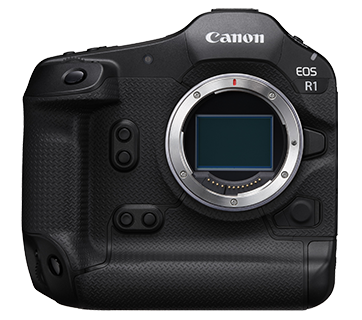
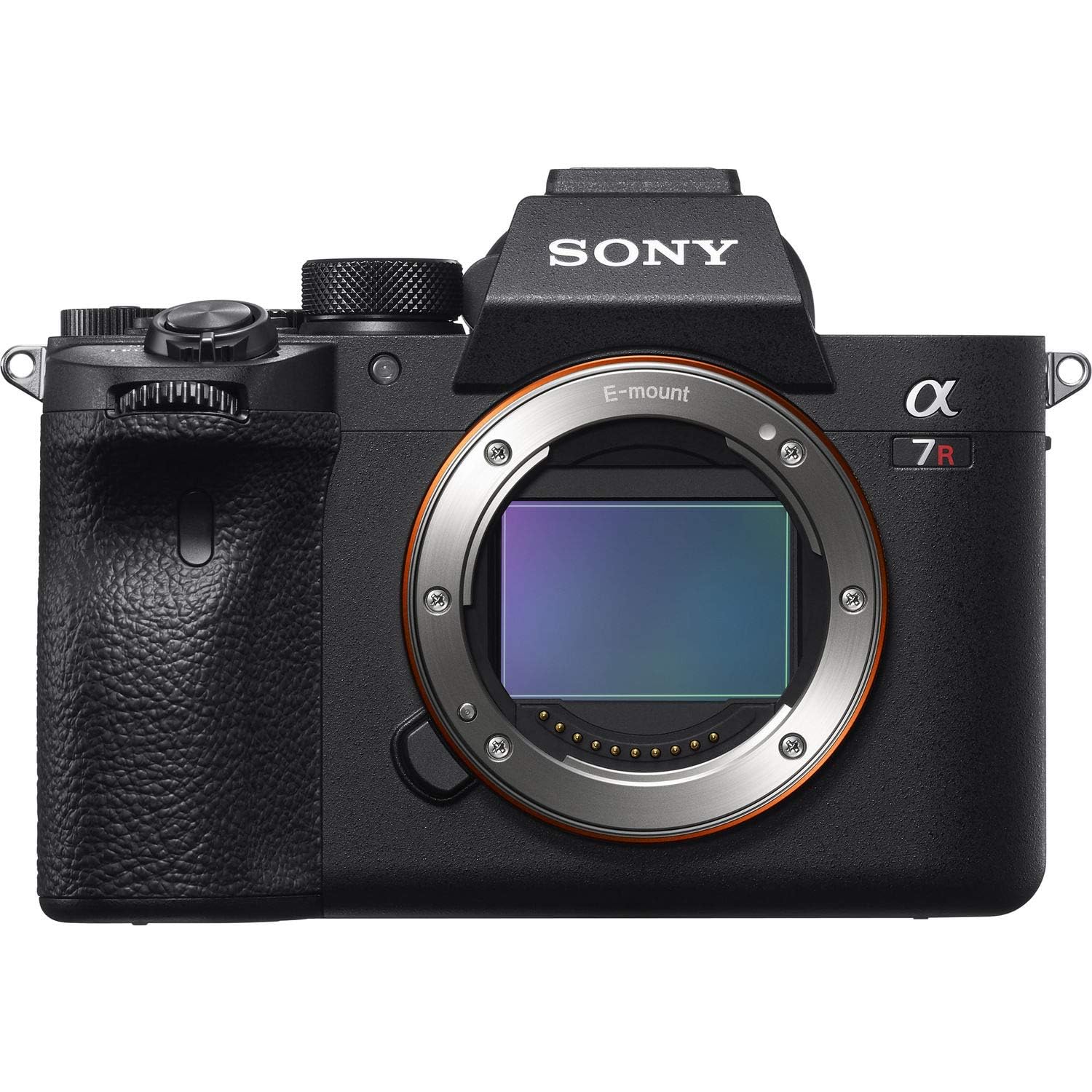
The Canon EOS R1 and the Sony A7R IV are two high-end full-frame mirrorless cameras that are frequently compared by both professional photographers and enthusiasts. The EOS R1, which is set to release in 2024, is Canon's premier model, targeting those who require top-notch performance in both stills and video capabilities. The A7R IV, released in 2019, has established itself as a benchmark for high-resolution photography and versatility, appealing to those who prioritize image quality and focus precision. As such, potential buyers often weigh the advanced features of the EOS R1 against the proven benefits of the A7R IV, particularly considering factors like resolution, autofocus performance, video capabilities, and overall usability.
In terms of key differentiators, the most notable include the EOS R1's impressive autofocus system boasting 4897 focus points compared to the A7R IV's 567, as well as its higher stabilization effectiveness. However, the A7R IV's massive 61-megapixel sensor offers unparalleled resolution, making it ideal for landscape and studio photographers. This comparison will help potential buyers navigate through various aspects of each camera to determine which one aligns best with their photographic needs and styles.
Specifications Comparison
Detailed Comparison
Image Quality
The Sony A7R IV is renowned for its impressive image quality, courtesy of its 61-megapixel full-frame sensor. This high resolution allows for extensive cropping without sacrificing detail, making it an excellent choice for landscape and detailed studio work. The A7R IV's sensor is also known for its good dynamic range and low noise levels, especially at higher ISO settings, which can reach up to 102800. Photographers often appreciate this versatility when shooting in varied lighting conditions.
In contrast, while the Canon EOS R1's 24-megapixel sensor may seem lower in resolution, it compensates with impressive color reproduction and detail retention, particularly at lower ISOs. Canon cameras are traditionally favored for their skin tones and color depth, which is especially beneficial for portrait and event photography. The ESO R1 also leverages its new processing engine to deliver high-quality results in a range of scenarios.
While the A7R IV unquestionably leads in megapixel count, which translates to higher resolution images, the Canon EOS R1 offers excellent image quality in a different, yet competitive segment. Photographers whose primary focus is on sheer detail may lean towards the Sony model, whereas those who prioritize color accuracy and vibrant photographs may prefer the Canon.
Autofocus System
The autofocus system is a crucial feature for both cameras, particularly for capturing fast-moving subjects. The Canon EOS R1 features an impressive 4897 autofocus points, making it one of the most advanced autofocus systems in its category. This extensive coverage allows for greater precision and faster locking onto subjects, especially in dynamic shooting conditions. Additionally, Canon's Dual Pixel AF technology excels in tracking subjects during both photography and videography, providing users with confidence in fast-paced scenarios.
In comparison, the Sony A7R IV offers 567 autofocus points, which, while significant and effective, does not match the sheer volume found in the EOS R1. The A7R IV's autofocus is also robust and reliable, with impressive subject recognition and tracking capabilities, enhanced by its Real-time Eye AF feature that allows for accurate focus on human and animal eyes.
Given the differences, the EOS R1 stands out for its comprehensive and advanced autofocus system, providing superior tracking and focus capabilities for sports and wildlife photography. The A7R IV, while strong, might fall short for users who demand cutting-edge autofocus technology for fast-action scenarios.
Video Capabilities
When it comes to video capabilities, both the Canon EOS R1 and Sony A7R IV are equipped to handle professional video production but excel in different areas. The A7R IV supports 4K video at 30fps, with full pixel readout and no pixel binning, resulting in high-quality footage. It is also capable of utilizing S-Log for greater dynamic range and post-production flexibility, making it a solid choice for videographers.
The EOS R1, however, is anticipated to bring enhanced video specifications in line with its high-end positioning, likely offering various frame rates and resolutions that cater to professional videography, though detailed comparisons will be revealed upon its release. Its comprehensive autofocus system in video mode, combined with potentially superior stabilization, should make it highly advantageous for run-and-gun video shooting.
For seasoned videographers, if 4K capabilities at 30fps are the main concern, the Sony A7R IV would currently have the upper hand. Nevertheless, if Canon's forthcoming advances in video performance with the EOS R1 meet or exceed expectations, it is likely to become a formidable contender in this space.
Build & Ergonomics
Both the Canon EOS R1 and Sony A7R IV are designed with professionals in mind, sporting robust builds with weather sealing for durability in challenging environments. The EOS R1 is slightly larger and heavier at 1115g with dimensions of 158 x 150 x 87mm, which may provide a more substantial grip for users, particularly when using larger lenses. Its larger size could enhance comfort during prolonged photography sessions.
On the other hand, the Sony A7R IV, weighing only 665g and measuring 129 x 96 x 78mm, offers a more compact and lightweight option that's easier to carry for long outings or travel. Despite the smaller form factor, the A7R IV still maintains a comfortable and well-designed grip, suited for handheld shooting.
In terms of layout, the Canon typically features more tactile controls and a slightly more intuitive menu system, which might appeal to users accustomed to Canon ergonomics. The Sony, while offering customizable buttons and a touch interface, requires a bit of a learning curve to navigate effectively. Ultimately, the choice here may come down to personal preference regarding handling and ergonomics.
Battery & Storage
Battery performance is a critical aspect for photographers, particularly those shooting for extended periods. The Sony A7R IV is rated for 670 shots with a single battery, which can last through a typical day of shooting for many users. The camera supports dual card slots as well, allowing for flexible storage options and ensuring that photographers can offload images efficiently.
Conversely, specific battery performance metrics for the Canon EOS R1 are not available yet, given its prospective release. However, Canon cameras typically utilize high-capacity batteries, which should offer competitive performance. The EOS R1 is also expected to include dual card slots, allowing users to manage storage more efficiently, similar to its Sony counterpart.
Currently, without concrete numbers from the EOS R1, the A7R IV takes the lead for those who require reliable battery endurance during long shoots. However, if the R1 meets or exceeds the battery life of its predecessors, it could change this equation once officially announced.
Value for Money
Value for money is always an essential consideration for buyers. The Canon EOS R1 comes with a premium price tag of $6299, reflecting its high-end position and advanced features. It's likely positioned for professionals who demand the absolute best performance and are willing to invest significantly for that advantage. The upgraded specs, including the autofocus capabilities and potentially enhanced video performance, justify this premium price for certain types of users.
In contrast, the Sony A7R IV offers a price of $3500, which is a more accessible option without compromising on image quality and versatility. Its 61-megapixel sensor and excellent build make it an attractive investment for photographers who require high resolution at a lower price point. For many creators, the A7R IV offers excellent value given its capabilities, especially considering that it's been a market leader since its release.
Ultimately, the value proposition will depend on what features are most important to the user. Those who prioritize the latest advancements and enhancements might find the EOS R1 worth its higher price. However, for those seeking outstanding performance without an extravagant budget, the A7R IV serves as a compelling and cost-effective solution.
Our Verdict
In summary, while the Canon EOS R1 presents compelling advantages, especially in autofocus and potentially future developments, the Sony A7R IV stands out as the overall winner due to its excellent image quality, strong video capabilities, and outstanding value for money. Photographers seeking high resolution and solid performance at a lower cost will find the A7R IV to be the more pragmatic choice. Meanwhile, those who prioritize cutting-edge autofocus technology and are willing to invest in the latest innovation may still lean towards the EOS R1 as it becomes available.