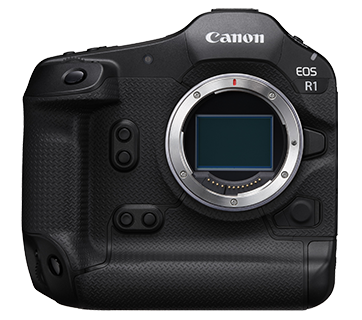
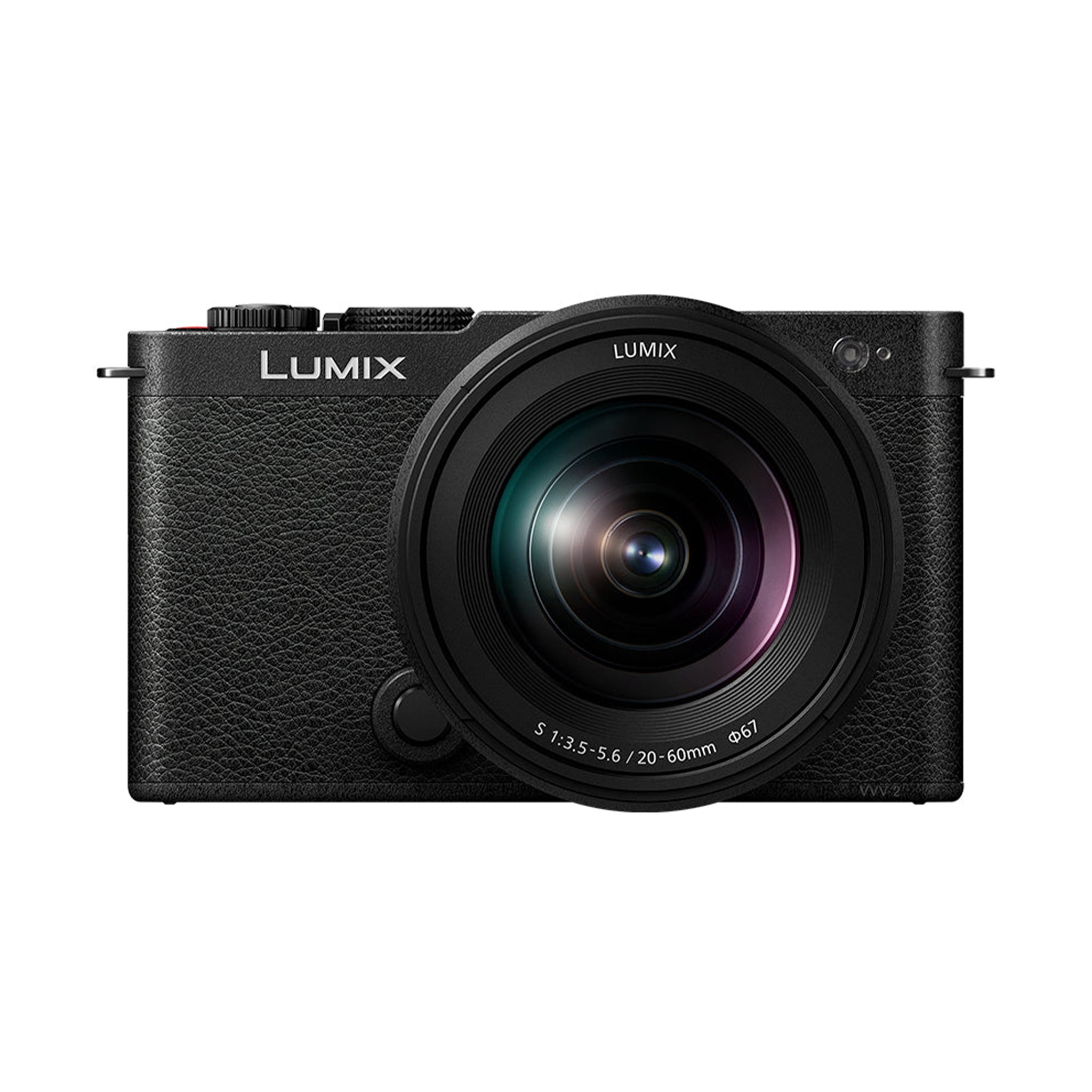
The Canon EOS R1 and Panasonic S9 are both cutting-edge, full-frame mirrorless cameras launched in 2024, yet they cater to quite different users. They are commonly compared because of their identical sensor sizes and similar 24-megapixel resolution, appealing to photographers and creators seeking high image quality in a modern format. However, each camera embodies a distinct philosophy: the Canon EOS R1 is a high-end flagship aimed at professional sports, wildlife, and news photographers, while the Panasonic S9 targets enthusiasts and content creators who prioritize compact design and modern video features.
Buyers choosing between these models are likely weighing whether to invest in a no-compromise professional tool or a versatile, lightweight camera suitable for travel and daily use. Key differentiators include autofocus sophistication, video feature set, physical size, build quality, and price. Understanding these distinctions can help potential buyers decide which camera aligns best with their photography or videography needs.
Specifications Comparison
Detailed Comparison
Image Quality
Both the Canon EOS R1 and Panasonic S9 feature full-frame sensors with almost identical dimensions and a matching 24-megapixel resolution. This ensures excellent detail, dynamic range, and low-light performance from both cameras, suitable for professional prints and large format usage.
However, the Canon EOS R1 is likely to have an edge in terms of sensor processing thanks to its advanced imaging engine, which is geared for speed, high ISO performance, and color accuracy, especially in demanding professional settings. Canon also tends to excel in color science, something valued by portrait and sports shooters. The R1's 8-stop in-body stabilization further helps achieve sharp results with slower shutter speeds.
Panasonic's S9, while excellent for its class, uses a tried-and-true sensor and offers effective 5-axis sensor-shift stabilization, but with fewer stops than Canon's system. In real-world situations, image quality differences will be subtle but may matter to those needing the absolute best performance at high ISOs or in challenging lighting.
Overall, both cameras deliver impressive image quality, but the Canon EOS R1's refined processing and stabilization system give it a small but meaningful advantage for demanding work.
Autofocus System
The Canon EOS R1 boasts a highly sophisticated autofocus system with a staggering 4897 focus points. This state-of-the-art AF is designed for professional scenarios, offering advanced subject detection (including animals, vehicles, and people), deep-learning tracking, and nearly full-frame coverage. These features translate into reliable, fast autofocus in the most challenging conditions, especially for fast action or moving subjects.
The Panasonic S9 provides fast and accurate autofocus for stills and video, but its system-while competent-does not reach the same level of complexity or customizability as Canon's flagship. The S9 is suitable for portrait, street, and everyday usage, but will not match the tracking speed or focus accuracy in high-speed sports or wildlife scenarios that the EOS R1 excels at.
For professional photographers demanding flawless AF tracking, eye/face detection, and near-instant response, the R1 is easily the superior choice. The S9's AF performance fits the needs of most enthusiasts and creators, but it is not built for extreme or mission-critical autofocus tasks.
Video Capabilities
Video features are a strong point for both cameras, but their approaches differ. The Panasonic S9 stands out by offering up to 5.9K video recording (in addition to both UHD and DCI 4K and 1080p), making it highly attractive for videographers, vloggers, and even filmmakers needing high resolution and flexible formats. Panasonic is renowned for video-centric features and image profiles, making the S9 a strong choice for hybrid shooters.
Canon EOS R1's high-end video specs are not fully detailed here, but as a flagship, it will certainly provide excellent video quality and robust options (likely with 4K and possibly 8K support). However, it's dominant strengths remain in photo-centric and broadcast use cases, especially where reliability and fast data throughput are required. Video shooters who prioritize advanced color profiles, anamorphic support, or high-res capture may lean toward the S9.
The S9 also benefits from its lightweight build and compact size, further making it attractive as a portable video tool. Though the EOS R1 is pro-ready for broadcast and documentary work, for most creators seeking high-end video features and simple operation, the S9 is the winner here.
Build & Ergonomics
The Canon EOS R1 is a full-size flagship camera built for harsh conditions, with complete weather sealing, a deep grip, and physical controls geared for rapid access and durability. Its large, robust body (weighing 1115g) is designed for extended professional use, offering reliability in rain, dust, or demanding environments. The R1 also features a 3.2-inch, high-resolution screen with 2.1 million dots, improving ease of use and image review in the field.
Conversely, the Panasonic S9 is notably compact and lightweight (486g)-nearly a third the weight of the R1. Its svelte dimensions make it highly portable, perfect for travel, street, or everyday photography where mobility and discretion are priorities. The S9 sacrifices some physical controls and weather sealing for this compactness, which may not appeal to those shooting in extreme weather or for extended periods.
Both cameras offer advantages: the Canon R1 for durability, comfort with large lenses, and professional reliability, the S9 for everyday carry and inconspicuous shooting. The winner depends on usage priorities, but for sheer build quality and robustness, the Canon EOS R1 is ahead.
Battery & Storage
Professional cameras like the Canon EOS R1 feature large batteries and versatile dual card slots, optimized for prolonged shooting and redundancy-critical in high-pressure events like sports or news coverage. Though not all details are specified here, Canon's flagship bodies consistently provide strong endurance and excellent memory flexibility.
The Panasonic S9, being smaller and lighter, features a correspondingly smaller battery and may have a more limited single card slot setup (standard for compact models). Battery performance will be sufficient for moderate usage, but won't match the all-day staying power expected from the R1.
For users prioritizing continuous shooting, fast card write speeds, and the peace of mind from backup storage, the Canon R1's system is better equipped. The Panasonic S9 will be convenient for lighter, on-the-go shooting but not for intensive or mission-critical assignments.
Value for Money
Here, the dynamic shifts sharply: the Canon EOS R1's $6299 price tag puts it squarely in the professional arena, out of reach for many enthusiasts and hobbyists. For its advanced technology, build quality, and professional features, it offers strong value to photographers who genuinely need these capabilities.
The Panasonic S9, while lacking the absolute cutting-edge performance of the R1, is dramatically more affordable (pricing not provided, but typically well below flagship bodies). It brings full-frame quality and excellent video capability into a highly accessible, compact package, and is ideal for hobbyists, travel shooters, and aspiring creators wanting premium results without breaking the bank.
For the majority of consumers, the S9 presents a much stronger value proposition, making high-end imaging accessible, whereas the R1's value is realized only by those exploiting its professional-level capabilities to the fullest.
Lens Ecosystem
Canon's RF mount has rapidly developed with excellent lenses spanning from affordable primes to premium L-series glass, and third-party support is growing, though still somewhat limited compared to legacy DSLR systems. The RF mount's integration with Canon's bodies delivers strong autofocus, weather sealing, and optical performance.
Panasonic's S9 uses the L-Mount, which is distinguished by its alliance with Leica and Sigma, resulting in a surprisingly broad and diverse lens ecosystem for its relative youth. Buyers have access to top-tier Leica optics, affordable and innovative Sigma lenses, and Panasonic's own lineup, making the system highly versatile-especially for video.
Overall, both platforms are solid, but the L-Mount's openness and third-party support may appeal more to users needing specialized or budget-friendly lens options. The RF mount is best for those already invested in Canon glass or seeking Canon's proprietary performance. For openness and diversity, the advantage leans to the S9.
Our Verdict
Overall, the comparison between the Canon EOS R1 and the Panasonic S9 highlights their fundamentally different approaches and strengths. The Canon EOS R1 dominates in terms of professional-grade autofocus, weather-sealed build quality, advanced image stabilization, battery endurance, and reliability for challenging assignments. It is the clear winner for professional photographers and anyone who truly requires flagship-level performance in demanding environments. The Panasonic S9, meanwhile, triumphs on value, portability, accessible lens options, and advanced video capabilities. For most enthusiasts, travelers, and hybrid shooters who need a high-quality, full-frame experience without the bulk or hefty price tag, the S9 delivers where it matters. It makes full-frame quality and excellent video accessible to a wider range of users. Deciding between these two depends heavily on your needs: if you need uncompromising professional performance and can justify the investment, the Canon R1 is unmatched. If you prioritize value, portability, and broad creative flexibility, the Panasonic S9 is the better-balanced choice. In the grand scheme, it's a tie, as each camera wins for a distinct group of users.
Canon EOS R1
Panasonic S9
Also Compare
Frequently Asked Questions
Who should choose the Canon EOS R1 over the Panasonic S9?
The Canon EOS R1 is best for professional photographers-especially those in sports, wildlife, and news-who need robust build quality, advanced autofocus, enhanced stabilization, and reliable performance in extreme situations. If your livelihood depends on your camera's reliability and capabilities, the EOS R1 is a justified investment.
Is the Panasonic S9 good for video?
Yes, the Panasonic S9 offers strong video features such as 5.9K recording, various 4K modes, and solid stabilization, making it well-suited for vloggers, hybrid content creators, and filmmakers who prioritize resolution and format flexibility without a heavy setup.
How do the camera sizes and weights compare for travel?
The Panasonic S9 is significantly smaller and lighter (486g vs. 1115g for the R1), making it much easier to carry for travel, street photography, or daily use. The Canon EOS R1 is built for durability and comfort with bigger lenses but is much bulkier, making it less ideal for lightweight travel.
Are both cameras weather-sealed?
The Canon EOS R1 is fully weather-sealed and built for professional use in challenging weather. The Panasonic S9 prioritizes compactness and, while well-built, does not offer the same level of weather sealing, so it is best used in less extreme conditions.
Which lens system is more versatile and affordable?
The Panasonic S9's L-Mount system benefits from wide-ranging support from Panasonic, Leica, and Sigma, offering broad choice and affordability. Canon's RF mount is excellent, especially for proprietary performance and pro glass, but is more restricted in third-party options and can be pricier.
Does the higher price of the Canon EOS R1 justify its features?
For working professionals demanding the absolute best performance, durability, and reliability, the EOS R1's high price is justified. For enthusiasts or those who do not need flagship capabilities, the Panasonic S9 offers far greater value.