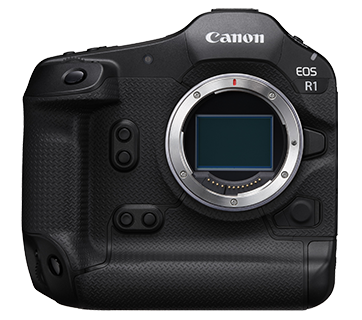
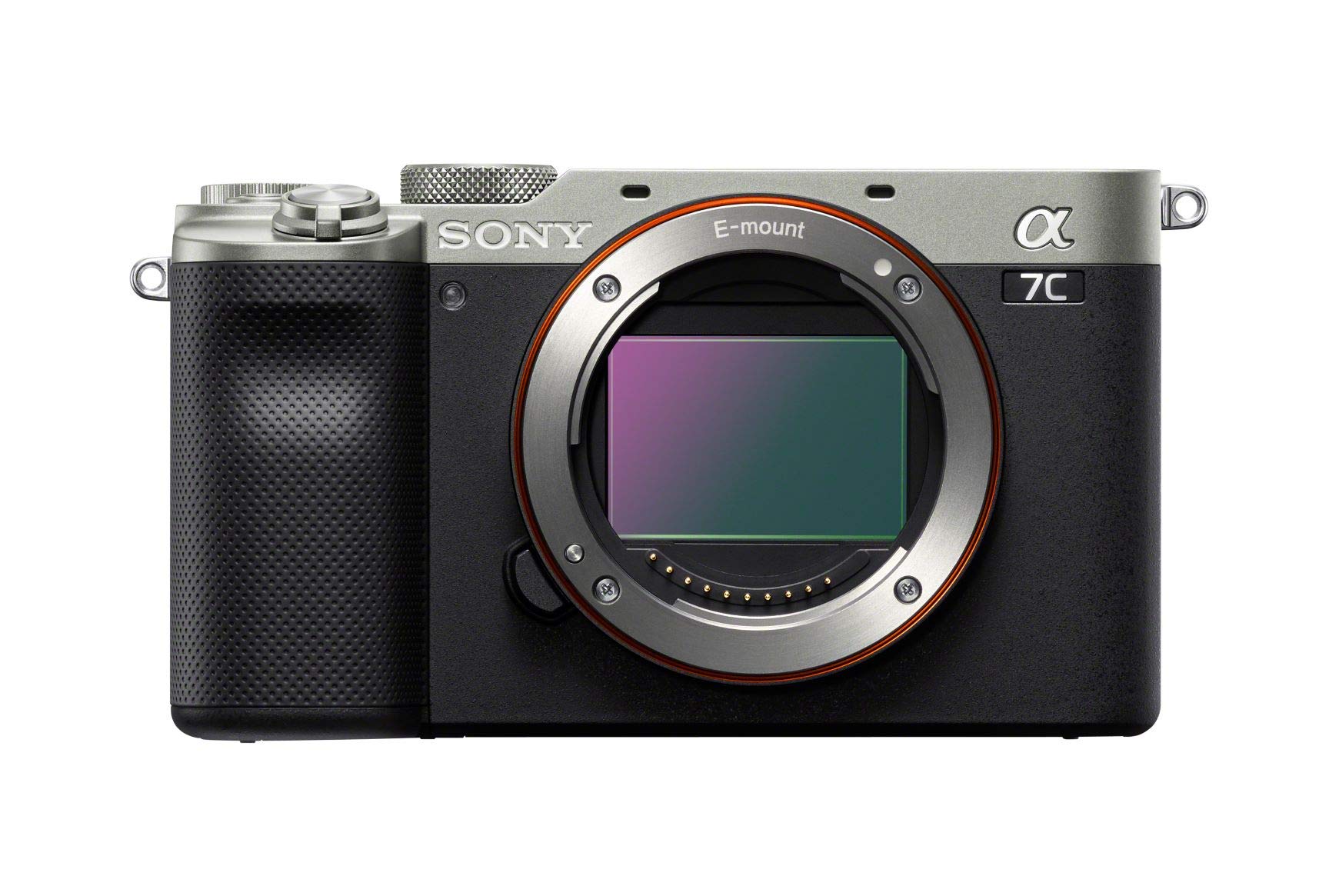
The Canon EOS R1 and Sony A7C are two full-frame mirrorless cameras that cater to different types of photographers, both offering compelling features. Photographers looking to choose between these cameras often consider their specific needs-whether it's fast-paced sports photography, casual shooting, or video content creation. The R1, being a high-end model, offers advanced specifications aimed at professionals, while the A7C appeals to a more budget-conscious audience, providing solid performance in a compact form factor. Key differentiators include the autofocus system, stabilization, and overall build quality, which can significantly impact the users' experience and results.
Specifications Comparison
Detailed Comparison
Image Quality
Both the Canon EOS R1 and Sony A7C feature a full-frame sensor and offer a similar resolution of 24 megapixels, which is sufficient for most photography tasks. However, Canon's sensor dimensions (36 x 24 mm) potentially offer better image quality, especially in terms of color accuracy and dynamic range, due to Canon's advanced image processing algorithms. The R1 also benefits from its latest generation technology, which could yield improved low-light performance and better handling of noise at higher ISO settings.
On the other hand, the A7C has the capability to expand its ISO range significantly, allowing it to perform well in very low-light conditions. Expansion to 204800 gives it an edge in extreme environments. Although both cameras produce sharp images, the R1 might have a slight advantage in color reproduction and overall quality due to its superior sensor technology and processing enhancements.
Ultimately, both cameras deliver excellent image quality, but the R1 may appeal to professionals who prioritize the best performance under varying conditions.
Autofocus System
The autofocus systems of these two cameras present a stark difference in quantity and complexity. The Canon EOS R1 features an impressive 4897 autofocus points, which allows for exceptional tracking of subjects, particularly in fast-paced scenarios like sports photography. This extensive point coverage not only facilitates precise focus but also benefits users looking to shoot in challenging environments where subjects may frequently change planes.
In contrast, while the Sony A7C offers a robust autofocus system with 693 points, it is significantly lower than that of the R1. However, the A7C's autofocus is still effective, especially for everyday photography and videography. It features impressive subject recognition capabilities, which can be beneficial for casual photographers.
For users who prioritize rapid, precise autofocus for action shots or wildlife photography, the R1's autofocus capabilities will be more appealing, making it the clear winner in this category.
Video Capabilities
When it comes to video capabilities, the Canon EOS R1 positions itself as a strong contender with advanced options expected to support high-resolution video recording, although specific details on frame rates and codecs are less defined at this time. Its sensor technology is expected to cater to professional video standards, which may include features like raw recording and advanced autofocus during video capture.
The Sony A7C, on the other hand, offers 4K video at up to 30 frames per second, providing solid performance for vloggers and casual filmmakers. It includes features such as full pixel readout and no pixel binning, resulting in excellent video quality without artifacts. The video performance, combined with the camera's compact size, makes it an attractive choice for those in need of portability without sacrificing video quality.
Overall, while both cameras possess strong video capabilities, the R1 is geared more towards professional environments whereas the A7C serves casual users very well, making it a tie in terms of usability but with a specialized win going to the R1 for professional features.
Build & Ergonomics
The Canon EOS R1 boasts a larger body with dimensions of 158 x 150 x 87 mm, weighing in at 1115 grams. This heft can often be beneficial for stability and handling, especially when utilizing larger lenses. It also has fully weather-sealed construction, making it suitable for rugged conditions, ideal for professionals in challenging environments.
Conversely, the Sony A7C is designed with portability in mind, measuring just 124 x 71 x 60 mm and weighing 509 grams. Its smaller form factor makes it incredibly lightweight and easy to carry, which appeals to travel photographers or vloggers who need to keep their gear minimal. It also features weather sealing, offering some protection against moisture and dust.
In terms of ergonomics, the choice between comfort and portability will depend on user preference. The R1 might be preferred for prolonged shooting sessions, while the A7C is excellent for those prioritizing mobility. Thus, consideration of intended use may split preference here.
Battery & Storage
The Canon EOS R1's substantial design likely allows for a larger battery, although specific battery life details remain undefined compared to the A7C. Knowing that Canon generally develops cameras with less power-efficient systems, users could anticipate less performance relative to the A7C's proven battery life of 740 shots per charge, indicating strong endurance for extensive shooting sessions.
The A7C performs well in battery life and provides ample storage options suitable for video and high-resolution photo shoots. In contrast, while Sony's model excels in longevity, users of the R1 would need to plan for backup batteries, especially in long-duration shoots.
In conclusion, for users concerned with battery longevity, the A7C is the favored option here, while the R1 may require more preparation regarding power management during shoots.
Value for Money
At a price point of $6299, the Canon EOS R1 targets professional photographers who require advanced features and specifications, offering premium functionality and performance that justifies its cost for its intended user base. It is designed for high-performance use, which may deliver significant returns on investment for professionals shooting commercially or at events.
In contrast, the Sony A7C, priced at $1799, provides excellent value for amateur photographers and content creators who want a robust feature set without a high financial barrier. It combines versatility with quality, making it accessible for those venturing into the full-frame market without needing to compromise on essential capabilities.
While the R1 is a high-tier investment intended for professional demands, the A7C represents a balanced option for hobbyists and semi-professionals, solidifying its position as the better value choice overall.
Our Verdict
The Canon EOS R1 stands out as the overall winner due to its superior autofocus system, build quality, and image processing capabilities, making it ideal for professional photographers and serious enthusiasts. However, the Sony A7C excels in affordability, compactness, and battery life, making it a fantastic option for those looking for versatility in a lightweight package. For users whose primary concerns are professional features and high performance, the R1 is the better investment. Conversely, for casual shooters and vloggers aiming for good quality without breaking the bank, the A7C provides excellent value.