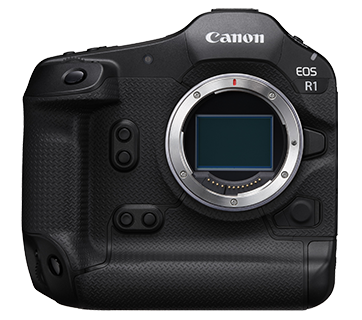
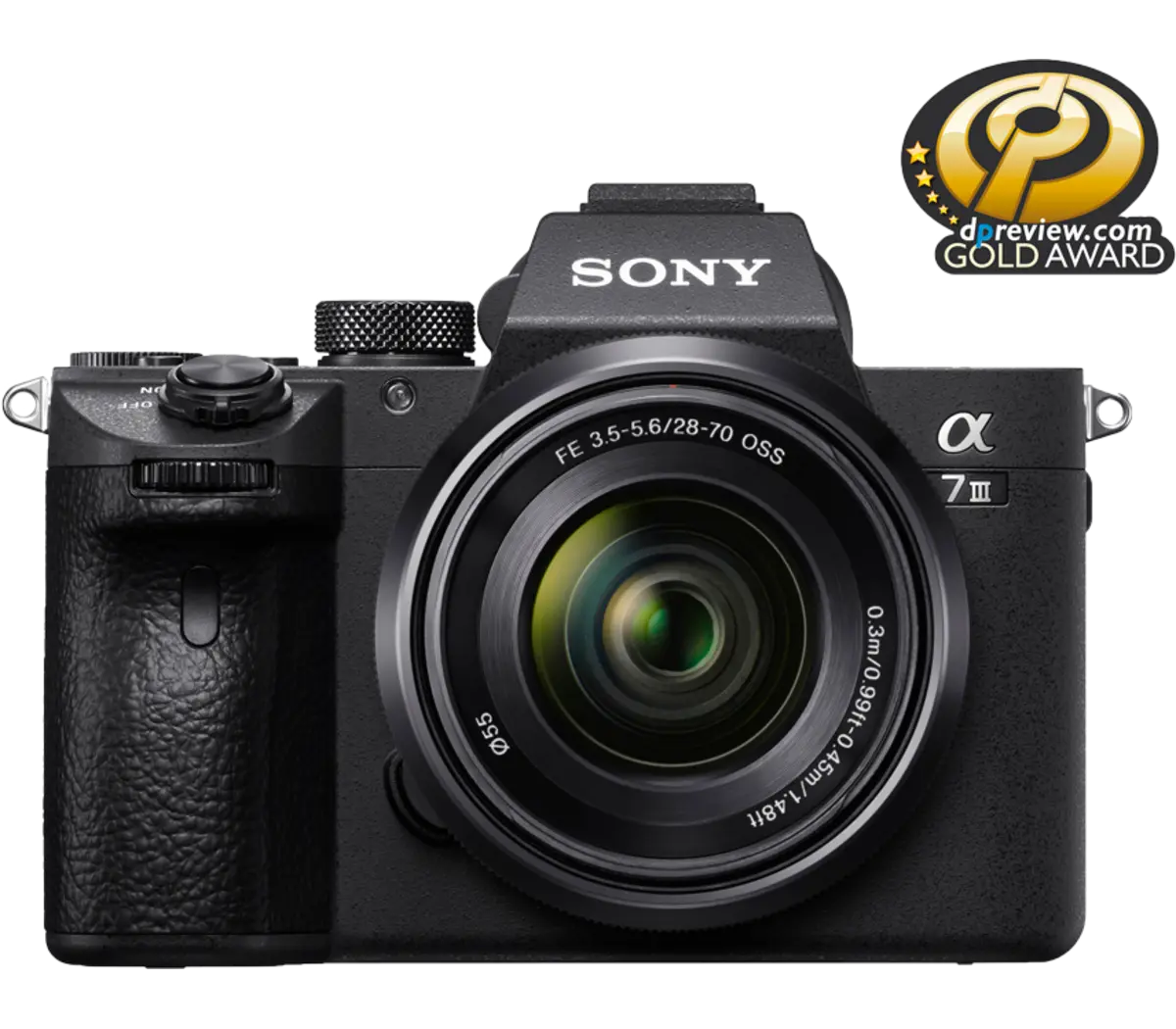
The Canon EOS R1 and Sony A7 III are frequently compared because they represent two different philosophies in the full-frame mirrorless world. The Canon EOS R1, Canon's flagship model as of 2024, embodies the latest technological advancements, targeting professional sports, wildlife, and high-end editorial photographers who demand the absolute best in speed, robustness, and reliability. On the other hand, the Sony A7 III, released in 2018, is celebrated as an 'all-arounder', balancing impressive performance with affordability, and has been a go-to full-frame choice for advanced amateurs and professionals on a budget.
Potential buyers choosing between these two cameras often have specific needs: some may prioritize cutting-edge autofocus, rapid shooting, and rugged durability (hallmarks of the EOS R1), while others might be more concerned with getting strong full-frame image quality and versatility at a fraction of the price (key strengths of the A7 III). The most significant differentiators are price, feature set, build quality, and the maturity of each camera system's lens ecosystem.
Specifications Comparison
Detailed Comparison
Image Quality
Both the Canon EOS R1 and Sony A7 III offer 24-megapixel full-frame sensors, promising excellent image quality suitable for professional use. The minute differences in sensor size (36 x 24 mm for Canon vs 35.8 x 23.8 mm for Sony) are negligible in practice, and both cameras deliver outstanding dynamic range and low-light performance for most photographic needs.
The EOS R1 benefits from being a more modern sensor, likely incorporating newer noise reduction, color processing, and dynamic range technologies, though detailed sensor performance tests would be needed for a definitive technical edge. The Sony A7 III stands out for its wide native ISO range (auto, 100-51200, expandable), offering impressive high-ISO capabilities that have been widely praised since its release.
Although either camera will satisfy most photographers for quality, professionals may find the EOS R1's newer technology results in marginally better files in extreme situations (such as exceptionally high-ISO or strong backlighting). However, given that both are 24MP full-frame cameras and the difference is unlikely to be dramatic for most shooters, the contest is extremely close.
For outright image quality, this section is fundamentally a tie, hinging more on processing preferences than any clear technical superiority.
Autofocus System
Canon's EOS R1 features an astonishing 4,897 autofocus points, an area-coverage and density far surpassing almost any competitor, including the Sony A7 III's already impressive 693 phase-detect points. The R1 leverages Canon's latest Deep Learning AI autofocus algorithms, delivering subject detection, tracking, and responsiveness designed for elite-level sports, wildlife, and action photography.
While the Sony A7 III's autofocus system remains excellent, particularly with its Real-time Eye AF and broad point coverage, it does not offer the sheer speed, intelligence, or flexibility of the EOS R1. The gap is especially pronounced in the most demanding scenarios, such as tracking erratic subjects or keeping up with extremely fast-moving action, where Canon's system excels.
For everyday shooting, the A7 III's autofocus is quick, accurate, and would more than satisfy most enthusiasts and professionals shooting more static subjects, portraits, or events. Nevertheless, for those who require the absolute best in autofocus performance, especially for high-speed sports or wildlife, the EOS R1 stands clearly ahead.
Video Capabilities
Video is an increasingly important aspect for hybrid shooters. The Sony A7 III shoots 4K video up to 30p, downsampled from 6K for sharp results, and offers a variety of profiles that have made it a favorite among budget-conscious filmmakers and content creators. Its video autofocus, while very good, is somewhat less advanced than current-generation systems, but remains very usable.
Although the full video specifications of the Canon EOS R1 aren't included here, Canon's high-end models typically lead in advanced video features (such as higher bitrates, superior color science, and professional video assist tools). It is also expected that the R1 offers enhanced in-body stabilization (8 stops) and a superior LCD for monitoring (higher resolution and size), which would appeal to pro videographers. However, without specifics like 6K/8K recording, frame rates, or codecs, direct comparison is limited.
Given the respective target markets, the EOS R1 is likely to surpass the A7 III in flexibility and performance for high-end video work, but the A7 III continues to be popular for serious video at a much more approachable price point. For most users, either camera delivers excellent video quality, but professionals will appreciate the potential of the EOS R1.
Build & Ergonomics
The Canon EOS R1 is a true flagship: it features robust weather sealing, a larger and more substantial build (158 x 150 x 87 mm, 1115g), and is engineered to withstand professional abuse in the harshest environments. The large grip, button layout, and 3.2" high-resolution articulating screen (2.1 million dots) are designed for prolonged use and maximum operational comfort.
In contrast, the Sony A7 III is much lighter (650g) and smaller (127 x 96 x 74 mm), which makes it appealing for travel, street, and event shooters who value portability. It, too, is weather-sealed and built to a high standard, but it cannot match the tank-like solidity or the ergonomic refinements of the EOS R1, especially for photographers using heavy lenses or extended shooting sessions.
The larger, brighter rear LCD of the Canon, combined with a more robust body, give the professional user an edge in reliability and usability under tough conditions. For those prioritizing discretion or packing light, however, the Sony's compact form is a major advantage. Still, overall build quality and ergonomics distinctly favor the EOS R1 for pro-level use.
Battery & Storage
Battery life and storage are crucial for professionals and enthusiasts alike. The Sony A7 III is rated for an impressive 710 shots per charge, one of the strongest among full-frame mirrorless cameras, making it a favorite for events and travel shooters who want to minimize battery changes and downtime. Exact battery life for the Canon EOS R1 is not specified here, but flagship models typically offer robust performance, and ergonomic bodies often house larger capacity batteries.
The A7 III's known value here puts it at a tangible advantage for buyers who want reliability without extra bulk or frequent battery swaps. In addition, while card slot information is missing for the EOS R1, high-end Canon bodies usually feature dual fast card slots (often CFexpress and SD), equaling or exceeding the practical versatility of the Sony.
Given available information, the Sony A7 III's proven battery longevity is a concrete asset, and until more direct data for the R1 becomes available, Sony takes this round.
Value for Money
Perhaps the most significant differentiator lies in price. The Canon EOS R1 enters the market at $6,299 USD, firmly in the professional-tier price bracket, while the Sony A7 III is currently available at around $2,000 USD. The question for buyers becomes whether the R1's cutting-edge features, ruggedness, and performance justify the more than threefold price difference compared to the A7 III.
For working professionals demanding the highest performance in autofocus, build, and reliability, the premium for the EOS R1 may be justifiable and even necessary. For most enthusiasts, event shooters, or those entering the full-frame world, the Sony A7 III offers extraordinary value, delivering excellent image quality, capable AF, 4K video, and good build quality at less than a third the price.
Both cameras deliver excellent real-world results, but the A7 III's price-to-performance ratio is unmatched, making it the clear winner on value for money.
Lens Ecosystem
Lens selection and third-party support are a long-term consideration. Canon's RF mount is continually expanding, with many superb native lenses covering a wide range of needs, but its system is newer and has less affordable third-party support at this stage (in part due to Canon licensing policies). Professional RF glass, while optically outstanding, tends to be expensive.
Sony's E-mount, however, is the longest-established full-frame mirrorless system. It now offers a vast array of native and third-party lenses from Sigma, Tamron, Samyang, and others, in addition to Sony's own lineup, covering everything from budget to flagship quality. This flexibility and competitive pricing are a huge advantage for creatives at all experience levels.
Canon's system is undoubtedly strong and continually improving, but users seeking the greatest breadth of options and affordability currently enjoy an edge with the Sony E-mount ecosystem.
Our Verdict
The Canon EOS R1 is, without question, the technical powerhouse of this comparison-its autofocus system, tank-like build, and likely advanced video features make it the ultimate tool for professional photographers who demand the utmost from their equipment. However, its very high price and relatively recent ecosystem limits its appeal to specialists and those for whom price is no object. The Sony A7 III, while older and less advanced in some technical areas, remains a standout in the full-frame world due to its superb balance of performance, portability, and especially value for money. Its proven image quality, excellent battery life, and vast (and affordable) lens ecosystem make it a versatile, accessible choice for a wide array of photographers. Overall, considering the balance of capabilities, price, and ecosystem, the Sony A7 III is the winner for the majority of users. The Canon EOS R1 is the best choice for those who need the absolute pinnacle of professional performance, but for most photographers and hybrids, the A7 III delivers exceptional all-round results at a fraction of the cost.
Canon EOS R1
Sony A7 III
Also Compare
Frequently Asked Questions
Is the Canon EOS R1 worth the extra price compared to the Sony A7 III?
The EOS R1 is only worth its significant price premium if you require its flagship-level autofocus, build, and reliability for high-stakes professional work (e.g., sports, wildlife, editorial photojournalism). For many users, the A7 III delivers more than enough capability at a much lower cost.
Which camera is better for professional sports or wildlife photography?
The Canon EOS R1 is purpose-built for fast, demanding genres like sports and wildlife, thanks to its advanced AI autofocus, high burst rates, and rugged build. Professionals working in these fields will benefit most from the EOS R1.
How does the lens selection compare between the Canon RF and Sony E mounts?
Sony's E-mount currently offers a broader, more affordable, and more diverse range of both native and third-party lenses. The Canon RF system is expanding rapidly with excellent optically performing glass, but price and third-party support are more limited.
Which is better for hybrid photo and video creators?
Both cameras are strong hybrid performers. The EOS R1 is likely superior for cutting-edge video needs, especially with newer codecs and better stabilization. However, for many users, the A7 III's 4K video is excellent and the overall system is much cheaper to enter.
Is the Sony A7 III still relevant in 2024 compared to newer models like the EOS R1?
Despite its age, the Sony A7 III remains highly relevant due to its strong image quality, reliable autofocus, excellent value, and established lens system. While not as advanced as modern flagships, it's an outstanding option for many photographers.