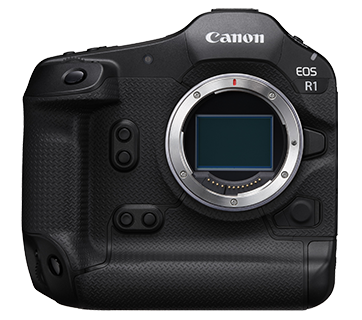
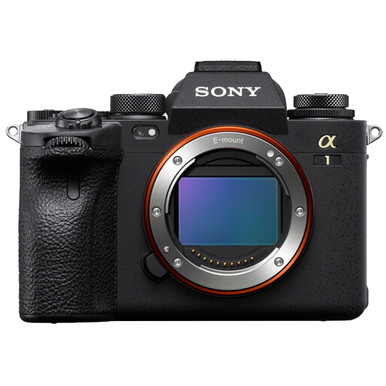
The Canon EOS R1 and the Sony A1 are two flagship mirrorless cameras that cater to advanced photographers and videographers looking for top-notch performance in various scenarios. As representatives of their respective brands, the EOS R1 is seen as Canon's latest offering for professionals, while the A1 is Sony's remarkable answer to the high-end mirrorless market, released in 2021. Buyers are often torn between these two models due to their exceptional specifications and features that aim to satisfy demanding users. Key differentiators include sensor resolution, autofocus capabilities, and video performance, making them appealing for various photography styles, from portraiture to sports and wildlife photography.
Specifications Comparison
Detailed Comparison
Image Quality
When it comes to image quality, the Canon EOS R1 offers a 24-megapixel full-frame sensor, while the Sony A1 boasts an impressive 50 megapixels. The higher resolution of the A1 allows for more detailed images, making it ideal for large prints or cropping without losing substantial detail. However, the lower pixel count in the R1 can lead to better performance in low light conditions thanks to its enhanced signal-to-noise ratio, producing cleaner images at higher ISO levels. For those who prioritize maximum detail and the ability to crop extensively, the A1 has an advantage, while the R1 may be preferred for its performance in various lighting conditions.
Autofocus System
The autofocus systems in both cameras are advanced and designed to ensure precise focusing no matter the shooting situation. The Canon EOS R1 features an astounding 4,897 autofocus points, significantly surpassing the Sony A1's 759 points, which translates to more coverage across the frame, effectively locking onto subjects quickly. On the other hand, the A1 benefits from its Real-Time Eye autofocus technology that excels in tracking moving subjects, providing a critical advantage for action photography. The sheer number of autofocus points in the R1 shows Canon's commitment to capturing moments with pinpoint accuracy, even in complex scenes.
Video Capabilities
When comparing video capabilities, the Sony A1 is a leader with its ability to shoot 4K video at up to 120 frames per second and offers advanced video features such as 16-bit RAW output via HDMI. While the Canon EOS R1 has yet to fully reveal its video specifications as of its release in 2024, it must meet the competitive standards set by the A1. The A1's combination of high frame rates and resolution options will likely appeal to videographers who need flexibility in their shooting. However, Canon is known for providing excellent color science, which could benefit the video quality in the R1, especially in portrait and skin tones.
Build & Ergonomics
Both cameras are designed with professional use in mind, featuring weather-sealed bodies to withstand tough environmental conditions. The EOS R1, larger at 158 x 150 x 87 mm and weighing 1115 g, offers a more substantial grip which may appeal to users who prefer a more solid hold during long shoots. In contrast, the Sony A1 is more compact at 129 x 97 x 81 mm and lighter at 737 g, making it slightly more manageable for extended handheld use. Each camera's design reflects the brand's philosophy: Canon's larger dimensions cater to stability, while Sony's structure targets portability, showcasing their respective strengths for different shooting styles.
Battery & Storage
Battery performance is crucial for professional photographers and videographers. The Canon EOS R1 has yet to provide precise battery life specifications but is anticipated to have robust performance designed for long sessions, given its design principles. The Sony A1 stands out with a rated battery life of approximately 530 shots per charge, which is impressive and caters to high-demand users. Storage capabilities also differ, with both supporting high-speed card formats, but the A1 offers more flexibility with memory cards in high-resolution video workflows, thanks to its dual card slots that accommodate CFexpress Type A and SD UHS-II cards. Despite the uncertainty of the R1's battery life, the existing advantage of A1's specs provides further trust for potential buyers.
Value for Money
The pricing of the Canon EOS R1 comes in at $6299, positioning it competitively against the Sony A1, which is available for $6500. The price difference is marginal, but the R1 may provide more value for users who prioritize dynamic performance, robustness, and the innovative features expected in Canon's newest technology. Conversely, the A1 could be seen as a better investment for those who require higher resolution and advanced video capabilities. Both models offer a range of features suited for their price point, making them worthwhile investments for serious professionals contemplating dynamic photography or videography projects.
Our Verdict
Overall, while both the Canon EOS R1 and Sony A1 have their strengths, the Sony A1 emerges as the winner due to its superior image resolution and video capabilities. Photographers needing the highest detail for large prints or versatile shorts at high frame rates will favor the A1. Meanwhile, users who focus on autofocus performance and the Canon ecosystem may still find the EOS R1 a compelling option. Both cameras serve specific niches in professional photography, yet considering the balance of capabilities, the A1 stands out in versatility across multiple shooting scenarios.
Canon EOS R1
Sony A1
Also Compare
Frequently Asked Questions
Which camera is better for sports photography?
The Canon EOS R1 is likely the better choice for sports photography given its extensive number of autofocus points, providing excellent tracking capabilities. However, the A1's fast performance and high frame rates could also cater to fast-paced scenarios.
Is the Sony A1 better for video work?
Yes, the Sony A1 excels in video capabilities, offering 4K recording at high frame rates and advanced output options that make it a strong choice for video professionals.
What is the battery life like for these cameras?
The Sony A1 has a battery life rating of about 530 shots, though Canon's R1 battery performance is yet to be specified; many expect it to perform competitively given its professional nature.
Which camera is more portable?
The Sony A1 is more compact and lightweight, making it easier to carry for long periods. The Canon EOS R1, while larger, offers enhanced grip stability.
What is the main advantage of the EOS R1?
The main advantage of the Canon EOS R1 lies in its superior autofocus system and Canon's renowned color science, providing excellent image quality across various lighting scenarios.