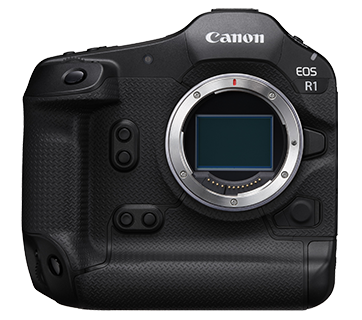
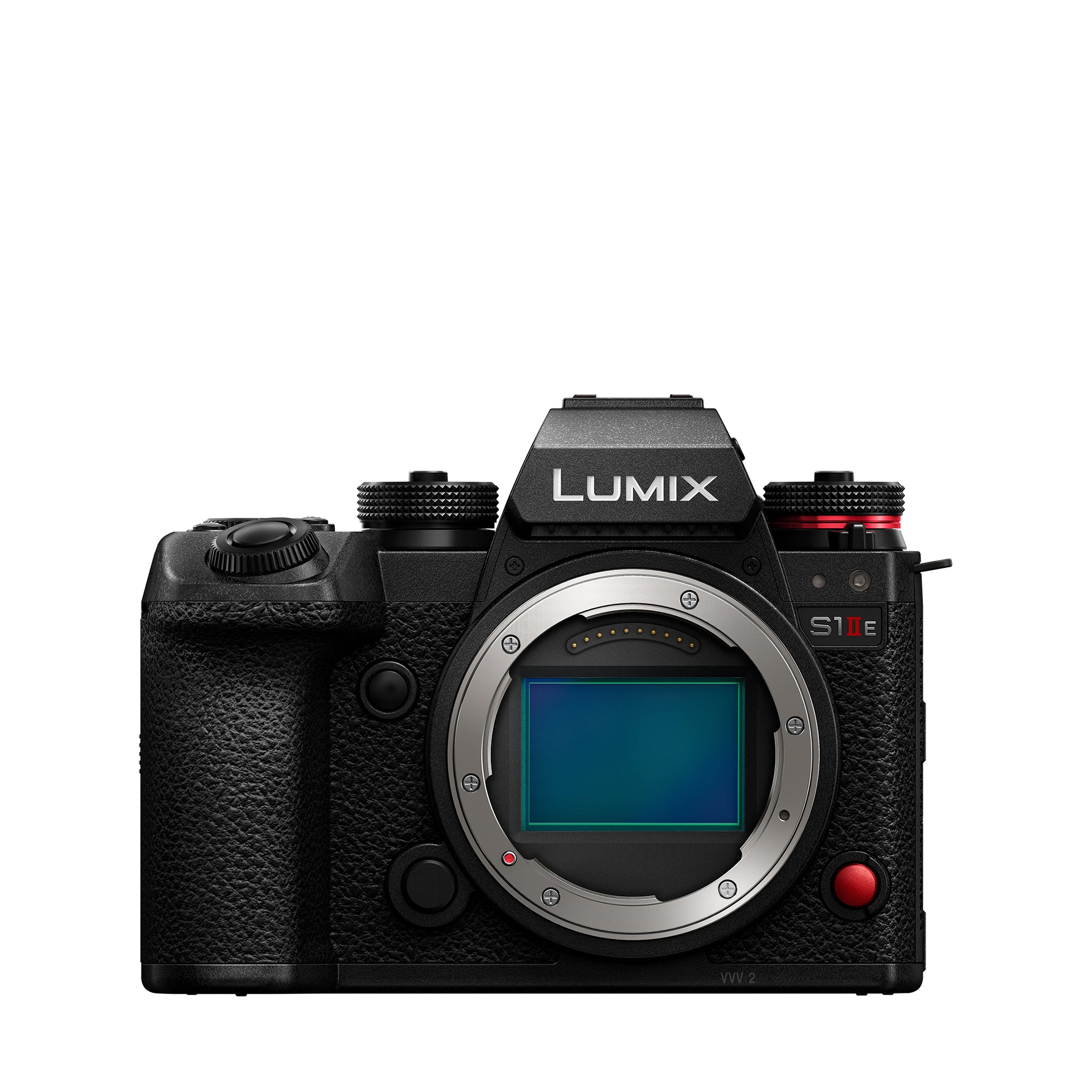
The Canon EOS R1 and Panasonic S1 II E are two formidable contenders in the full-frame mirrorless camera market, each designed to cater to the needs of both professional photographers and videographers. Canon, with its rich heritage in camera technology, releases its flagship mirrorless model, the EOS R1, which encapsulates cutting-edge features tailored for sports, wildlife, and event photography. On the other hand, the Panasonic S1 II E brings impressive video capabilities coupled with robust still photography features, making it a popular choice among filmmakers and hybrid shooters alike. With a competitive price point and specifications, these models often draw comparisons, especially among those who seek versatility in both stills and video production.
Specifications Comparison
Detailed Comparison
Image Quality
Both the Canon EOS R1 and Panasonic S1 II E deliver stunning image quality that is characteristic of full-frame sensors, but some subtle differences set them apart. The R1 features a 24 MP full-frame sensor, which laterally competes closely with the S1 II E's slightly higher resolution at 24.1 MP. While this difference in megapixels is nominal, the real-world performance often hinges on sensor technology and processing capabilities. The EOS R1 is known for its exceptional color rendition, dynamic range, and low-light performance, making it suitable for a wide variety of shooting scenarios.
The S1 II E, similarly equipped with a full-frame sensor, adopts Panasonic's renowned Dual Native ISO technology, which enhances its low-light capabilities while reducing noise in high-ISO settings. This feature is particularly beneficial for videographers who often shoot in challenging light conditions. The overall color accuracy and rendition in video capture are exceptional in both cameras, but the S1 II E may appeal slightly more to those prioritizing video production quality.
In programs dedicated to fine art reproduction, the nuanced details locked in colors and textures become paramount. The Canon EOS R1's image processing shines, especially in portraiture and landscape photography. Both cameras provide RAW capture formats that aid in post-processing. Thus, for stills, the EOS R1 has a slight edge when it comes to versatility in various conditions.
Ultimately, the differences may come down to specific shooting preferences. While both options offer broad latitude in image quality, specific scenarios, such as studio work or dynamic lighting environments, could sway a photographer toward one model over the other.
Autofocus System
The autofocus system is a critical function to assess when determining the right camera for fast-paced shooting. The Canon EOS R1 boasts an impressive autofocus system with 4897 autofocus points, which utilizes Canon's latest Dual Pixel CMOS AF technology. This extensive number of points and the camera's ability to track subjects across the frame make it exceptionally effective for capturing fast-moving subjects in sports and wildlife photography. Moreover, features like eye-tracking AF add to its capability, providing reliable focus even with dynamic subjects.
Meanwhile, the Panasonic S1 II E provides a respectable autofocus system but has fewer points traditionally associated with contrast-detection AF, which is often considered less effective than the phase-detection system used in the R1. However, the S1 II E compensates for this with fast focusing speeds, predominantly in good lighting, which minimizes lag in real-world shooting.
For photographers prioritizing intricate focus needs, the EOS R1's superior autofocus performance, given its greater number of points and focus tracking capabilities, offers a distinct advantage, particularly in high-action environments. This suggests that while both systems are effective, the R1 leans more towards professional-grade responsiveness.
For non-action or slower-paced photography, the S1 II E's autofocus capabilities may still suffice, but serious sports enthusiasts or wildlife photographers will likely find the R1 superior in swift focus and adaptability.
Video Capabilities
When considering video capabilities, the Panasonic S1 II E takes the lead with its extensive video features and high frame rates. It offers resolution options up to 5.9K at 60p, 4.8K at 60p, and 4K at 120fps, catering to filmmakers looking for high-resolution and high-framerate captures. This makes the S1 II E extremely versatile, especially for action and high-motion video recording, allowing for smooth slow-motion playback. The feature set is rounded out with options like V-Log and 10-bit recording, further solidifying its appeal to serious video creators.
The Canon EOS R1, while impressive, is more traditionally geared towards still photography, although it has high-quality video capabilities. The specifics such as frame rates for 4K are competitive but do not reach the maximum resolution outputs that the Panasonic offers. While it performs well for casual to semi-professional videography, its options may feel limited compared to the more robust S1 II E.
Notably, the S1 II E's flexibility in video shooting aligns perfectly with those who work in environments requiring varied settings and conditions. Its well-rounded video feature set means it is a more attractive choice for dedicated cinematographers. However, Canon offers strong video performance for hybrid shooters who also need monumental still captures as part of their workflow.
In summary, while both cameras can handle video, those prioritizing video production should lean towards the S1 II E, thanks to its extensive range of features tailored for videography.
Build & Ergonomics
In terms of build quality, both the Canon EOS R1 and Panasonic S1 II E are robustly constructed, but there are explicit differences worth considering. The EOS R1 features dimensions of 158 x 150 x 87 mm and weighs 1115 g. It is designed with professional use in mind, offering superior weather sealing that ensures it can withstand harsh environments, which is particularly beneficial to photographers who shoot in challenging conditions.
The Panasonic S1 II E is also well-built and has a solid feeling in hand, but its weight distribution and ergonomics can feel a bit bulkier compared to the R1. Both offer intuitive layouts, but the Canon's user interface is often regarded as being slightly more user-friendly for quick adjustments in the field, further facilitating fast-paced shooting conditions. Additionally, the rubberized grip on the R1 allows for prolonged comfort during extended shooting sessions.
Both models provide customizable controls that suit the operational styles of experienced photographers, but Canon's broader implementation of functional menus and dial placements seem to accommodate user preferences better according to empirical feedback. Users transitioning from other Canon DSLRs may find the layout more familiar, reducing the learning curve significantly.
Overall, while both cameras boast robust build and ergonomic design, the Canon EOS R1 showcases superior comfort and usability, particularly for those who prioritize handling during extended shooting experiences.
Battery & Storage
Battery performance is an important consideration for photographers and videographers alike. The Canon EOS R1 utilizes the LP-E19 battery, which is rated for approximately 500 shots per charge under standard conditions. This battery life supports long shooting days, particularly for event photographers who rely on consistent performance, though real-world results may vary based on usage patterns, particularly with extensive video recording.
The Panasonic S1 II E is equipped with a comparable battery, offering similar longevity, but its wider array of video capabilities often leads to quicker depletion if frequently shooting in demanding modes. The S1 II E provides a battery life of roughly 400 shots under typical usage, illustrating that while both batteries are competent, the R1 may edge slightly ahead in general longevity, especially for still photography.
Both cameras also offer dual card slots, allowing for ample storage options, particularly for professionals needing to offload data quickly or separate JPEG and RAW files. However, Canon's compatibility with its larger range of card formats enhances storage flexibility.
Overall, while both setups are equipped to handle serious imaging duties, the EOS R1's longevity in battery performance gives it an edge in extended shooting situations.
Value for Money
When considering value for money, the Canon EOS R1 carries a premium price tag of $6299, reflecting its status as a flagship model within Canon's lineup. The significant investment is justified for professionals who prioritize the highest levels of performance in autofocus and image quality, particularly for fast-paced action photography and demanding environments.
On the other hand, the Panasonic S1 II E offers an attractive price versus feature set for those more heavily-slanted towards video capabilities. With a well-rounded set of options for a lower price, Panasonic provides excellent value for videographers and hybrid shooters. Thus, while it may not overshadow the EOS R1 in certain still photography specialties, it delivers impressive results without breaking the bank.
When considering typical user budgets, it appears that the S1 II E may appeal to those prioritizing comprehensive video capabilities and overall cost-effectiveness. Some may find that they can achieve sufficient image quality and performance without needing the more premium Canon offering.
Ultimately, for purchasers focused solely on still quality and performance, the EOS R1 justifies its higher price through its standout features. However, hybrid photographers and videographers seeking versatility in filming may appreciate the more budget-friendly yet powerful features of the S1 II E.
Our Verdict
After a comprehensive analysis, the Canon EOS R1 emerges as the overall winner, largely attributed to its superior autofocus system and build quality that meets the demands of professional photographers. Additionally, while it matches closely on image quality, its versatility in still photography affirms its flagship status. However, the Panasonic S1 II E should not be underestimated, as it excels in video capabilities and represents excellent value for hybrid shooters. Ultimately, it would benefit budget-conscious buyers primarily focusing on videography, whereas the R1 is unmatched in scenarios requiring rapid autofocus and robust performance in challenging shooting environments.
Canon EOS R1
Panasonic S1 II E
Also Compare
Frequently Asked Questions
Which camera is better for sports photography?
The Canon EOS R1 is the superior choice for sports photography due to its advanced autofocus system, allowing for quick and accurate focusing on fast-moving subjects.
Is the Panasonic S1 II E better for videography?
Yes, the Panasonic S1 II E offers more extensive video capabilities, including higher frame rates and resolutions, making it more suitable for dedicated video work.
How important is weather sealing?
Weather sealing is significant for photographers working in unpredictable weather conditions, ensuring the camera is protected from moisture and dust.
Which camera has better battery life?
The Canon EOS R1 generally offers better battery performance, rated for approximately 500 shots compared to the S1 II E's approximate 400 shots.
Do both cameras support dual card slots?
Yes, both the Canon EOS R1 and Panasonic S1 II E feature dual card slots, allowing users greater flexibility for storage and organization.