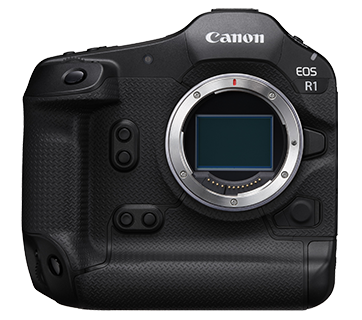
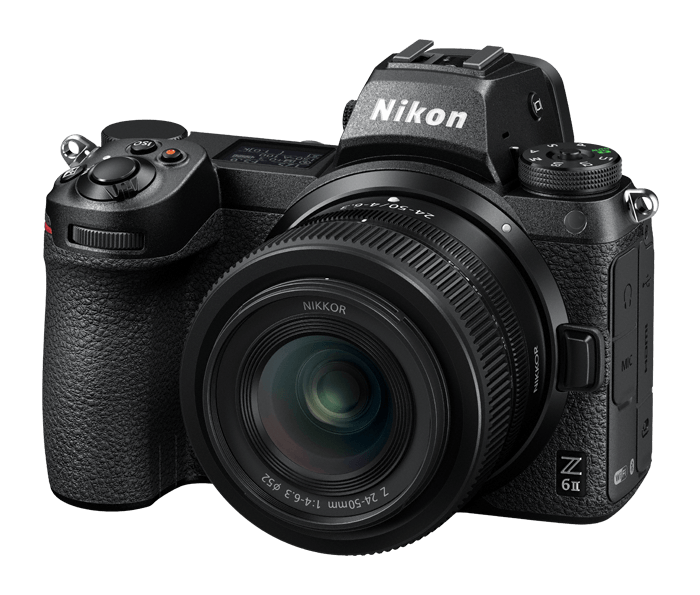
The Canon EOS R1 and Nikon Z6 II are both high-performing full-frame mirrorless cameras that appeal to photographers and videographers alike. These two models often find themselves at the top of shopping lists for enthusiasts and professionals due to their superb image quality, advanced autofocus systems, and robust build quality, making them suitable for various photography styles from sports to landscapes. Canon and Nikon have long been titans in the camera industry, and their latest offerings continue to fuel debates among potential buyers about which is the better choice for their specific needs.
One of the key differentiators when comparing these two cameras is their price points and feature sets. The Canon EOS R1 is a premium option with a price tag of $6,299, boasting cutting-edge specifications such as an impressive autofocus system with an astounding 4,897 points. In contrast, the Nikon Z6 II, priced at $1,995, offers a slightly higher megapixel count and a lighter body but with a more modest autofocus system and stabilization features. Buyers must weigh these specifications against their budgets and intended use cases to make an informed decision.
Specifications Comparison
Detailed Comparison
Image Quality
Both cameras deliver exceptional image quality typical of full-frame sensors, but they have some differences worth noting. The Canon EOS R1 features a 24MP sensor, while the Nikon Z6 II has a marginally higher resolution of 25MP. This difference in megapixels may not be significant for many users, but it can play a subtle role in prints or crops. The full-frame sensors in both models ensure excellent performance in low light, with both supporting high ISO ranges, although the Nikon Z6 II's native range (100-51,200, expandable to 50-204,800) provides more versatility for high-ISO shooting.
Despite the slight edge in megapixels, the image quality offered by both cameras remains comparable, and real-world differences often come down to subjective preferences in color science and rendering. Canon is known for its vibrant colors, while Nikon often delivers more neutral tones that some users prefer. Ultimately, both cameras excel in producing high-quality images suitable for professional use, making this aspect a close tie.
Autofocus System
When it comes to autofocus, the Canon EOS R1 offers a significant advantage with its astonishingly detailed autofocus system featuring 4,897 points, providing more coverage and precision in tracking subjects. This system is particularly beneficial for fast-paced photography, such as sports or wildlife, where accuracy is critical. The R1's advanced capabilities allow it to achieve fast and reliable focus even in challenging lighting conditions, thanks to Canon's Dual Pixel AF technology.
In contrast, the Nikon Z6 II has a robust autofocus system as well, but with only 273 points, it may not perform on the same level as the EOS R1 for fast-moving subjects. However, the Z6 II does deliver great results for portrait and landscape photography, and its Autofocus system is reliable for most scenarios. Overall, in terms of cutting-edge autofocus technology and performance, the Canon EOS R1 stands out as the clear winner.
Video Capabilities
Both the Canon EOS R1 and Nikon Z6 II cater to videographers, though their specifications differ significantly. The EOS R1 provides advanced video features expected from a flagship model, including high resolution and frame rate options likely exceeding the 4K 30p capability of the Z6 II. This most likely enables the R1 to excel in professional video projects where quality and flexibility are paramount.
The Nikon Z6 II, while still a strong choice for video, offers solid features within its capabilities, including 4K 30p recording with 10-bit color depth. It supports external recording options and has options for HDMI output, but its max frame rate does not match what users may expect from a camera in the high-performance sector. Given these considerations, the Canon EOS R1 is poised to offer a more future-proof solution for serious videographers.
Build & Ergonomics
Both the Canon EOS R1 and Nikon Z6 II sport durable weather-sealed bodies designed for professional use, which is a must for photographers who often work in challenging conditions. The Canon EOS R1 is larger and heavier at 1115g compared to Nikon's more compact and lighter body at 705g. While the EOS R1's dimensions (158 x 150 x 87 mm) can provide a more substantial grip for some users, others may find the Z6 II's smaller size and weight makes it easier for prolonged shooting without fatigue.
The screen specifications are identical between the two models, offering a 3.2-inch display with 2,100,000 dots, providing a sharp and clear interface for both photography and videography. Ultimately, whether one prefers the robust build of the R1 or the lightweight portability of the Z6 II will heavily depend on personal preference and shooting style, making this aspect a close call.
Battery & Storage
When evaluating battery life, the Nikon Z6 II comes out ahead with a rated capacity of approximately 410 shots, providing, in practice, one of the best battery performances in the mirrorless category. In comparison, while Canon's EOS R1 has not revealed a specific shot count, it may not be optimized for extended shooting sessions, particularly in high-performance modes.
Additionally, both cameras use different storage formats: the EOS R1 utilizes Canon's L-series RF mount with RF lenses, while the Nikon Z6 II uses the Nikon Z mount-both of which have compatible lenses. However, the Z6 II offers better overall adaptability with F-mount lenses via adapters, providing more options for photographers seeking to expand their lens collection. This advantage makes the Z6 II a more practical choice for versatile shooting.
Value for Money
From a price standpoint, the Nikon Z6 II is significantly more affordable at $1,995, compared to the Canon EOS R1's $6,299 price tag. This cost disparity can be a significant deciding factor for photographers and videographers on a budget. The Z6 II delivers superior value for those who do not require the highest-end specifications but still want a capable full-frame camera that provides a well-rounded performance in various contexts.
Conversely, the Canon EOS R1 caters to a specific segment of professional users who require state-of-the-art technology and are willing to invest substantially for the latest features and performance. For buyers seeking top-tier autofocus, advanced video abilities, and ultimate image quality, the R1 justifies its high cost, but for many users, the Z6 II offers an exceptional value that meets most photographic needs without breaking the bank. Hence, in terms of monetary value, the Nikon Z6 II clearly takes the lead.
Our Verdict
While the Canon EOS R1 excels in autofocus and advanced video capabilities, the Nikon Z6 II offers superior value for money, affordability, and practicality for everyday shooting needs. The R1 is designed for professionals who require high-end features and robust performance, while the Z6 II is positioned as a versatile option suitable for a broader audience. For most photographers, particularly those more budget-conscious, the Nikon Z6 II emerges as the overall winner in this comparison.