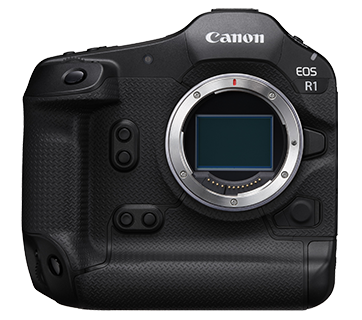
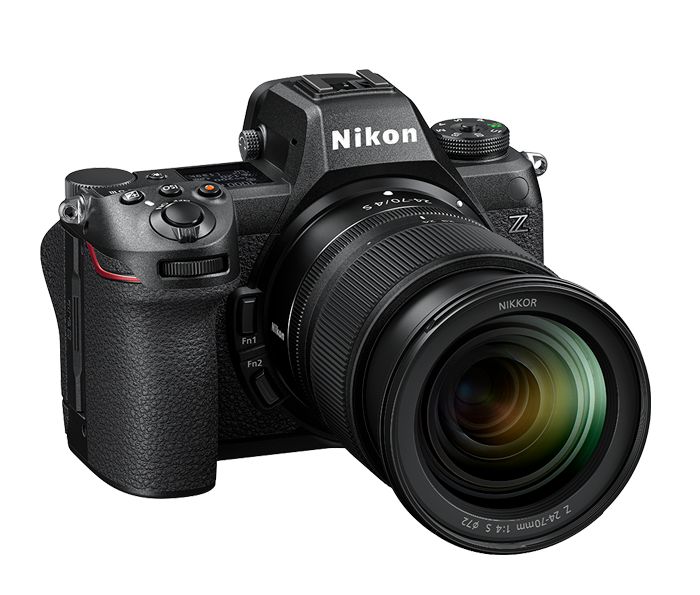
The Canon EOS R1 and the Nikon Z6III are two flagship mirrorless cameras released in 2024, aimed at advanced photographers and videographers. These models are often compared due to their full-frame sensors, impressive feature sets, and potential for exceptional image quality. Buyers might be considering these cameras for professional use in various fields such as landscape, wildlife, and sports photography, where performance and reliability are paramount. Key differentiators include their autofocus systems, build quality, and overall functionality, which can significantly influence the choice between these two excellent options.
Specifications Comparison
Detailed Comparison
Image Quality
Both the Canon EOS R1 and Nikon Z6III feature full-frame sensors, with the R1 at 24MP and the Z6III slightly higher at 25MP. While megapixel count can influence image detail, the differences in resolution between these two models are minimal for most practical applications. The Canon model excels with its advanced image processing algorithms, providing excellent dynamic range and color accuracy, especially in varying lighting conditions. Additionally, Canon's robust RAW processing provides a slight edge in post-production flexibility. On the other hand, the Z6III has competitive low-light performance, with an expanded ISO range of 100-64000, making it suitable for darker environments. The differences in sensor size (36 x 24 mm for Canon vs. 35.9 x 23.9 mm for Nikon) also suggest that the Canon might have a slight advantage in noise control at higher ISO settings. However, the actual difference might appear negligible to the end-user, depending on their specific use cases. Both cameras include in-body image stabilization rated at 8 stops, which helps in achieving sharp images at slower shutter speeds under challenging conditions. Overall, while both cameras offer excellent image quality, the nuanced differences and user preferences in post-processing may guide the decision. Given these points, this category can be considered a tie.
Autofocus System
The Canon EOS R1 boasts an impressive autofocus system featuring a staggering 4897 autofocus points, which enables precise tracking and focusing on subjects, particularly in dynamic scenarios. This extensive coverage allows for quick and reliable focusing across the frame, making it highly favorable for action photography, such as sports or wildlife shoots. Canon's Dual Pixel AF technology further enhances the capability by ensuring that autofocus transitions during video shooting are smooth and organic. Conversely, the Nikon Z6III features 273 autofocus points, which, while fewer than Canon's, still covers a good portion of the frame and performs well in most scenarios. It also excels in real-time subject detection for faces and animals, making it a versatile choice for portrait and event photography. However, users might find the autofocus to be not as quick or reliable as that of the R1 in fast-paced environments. In conclusion, when it comes to autofocus systems, the Canon EOS R1 significantly outshines the Nikon Z6III with its vast number of focus points and superior tracking capabilities, making it the winner in this category.
Video Capabilities
Both the Canon EOS R1 and Nikon Z6III target videographers with their solid video feature sets. The Canon EOS R1 offers advanced video recording capabilities, including 8K at 30 fps and 4K up to 120 fps, giving filmmakers a broad range of creative options. This high-resolution video capability is accompanied by Canon's renowned color science, beneficial for cinematic projects. The Nikon Z6III, while it does not support 8K recording, shines with its 4K video capabilities, allowing up to 60 fps recording. It also offers very good video quality and effective video autofocus, but some users might find it somewhat limited compared to the R1 in high-resolution video options. Nevertheless, the Z6III has a reputation for producing well-controlled rolling shutter, which is vital for professional videography. Thus, while both cameras have solid video performance, the Canon EOS R1 leads with its 8K capabilities and frame rate options, making it the winner in this segment, particularly for videographers seeking high-resolution content.
Build & Ergonomics
The Canon EOS R1 maintains a robust build quality with weather sealing, ideal for photographers who often work in challenging environments. Its larger dimensions (158 x 150 x 87 mm) and weight (1115 g) lend it a solid, professional feel, which can aid stability during handheld shooting. The camera's grip is designed for comfort during extended use, though it might be bulkier for some users. On the other side, the Nikon Z6III is comparatively compact, measuring 139 x 102 x 74 mm and weighing 760 g, making it lighter and more portable. This can be especially appealing for those who prioritize travel or street photography, as the lighter body can reduce fatigue during long sessions. It also shares impressive weather sealing, ensuring it can withstand moisture and dust. Both cameras have intuitive button layouts and touchscreen functionality, enhancing the user experience. Ultimately, while both are well-built, the choice may depend on user preference for size and weight. Therefore, the ergonomics aspect is close, but the Nikon Z6III takes this section due to its portability.
Battery & Storage
The Canon EOS R1, with its larger battery, is estimated to provide significant shooting capacity, though specific shot counts are not provided. This makes it ideal for heavy use in professional environments. However, the Z6III is rated for 380 shots per charge, offering decent performance for a mirrorless system, especially in a compact package. Regarding storage, both cameras support dual card slots, which is a crucial feature for professional photographers who need redundancy for confidence in storing their work. The R1's advanced capabilities might appeal more to those requiring high-speed data transfer, especially when dealing with 8K video workflows. In this category, the Canon EOS R1's overall flexibility in power management slightly edges out the Z6III, as it is geared more toward extensive shooting without needing frequent battery changes.
Value for Money
The pricing highlights a significant difference between the two cameras, with the Canon EOS R1 retailing at $6299, while the Nikon Z6III is priced at $2500. This disparity in price reflects the advanced technology and professional-grade features found in the R1, which caters to serious professionals looking for high-end performance. For aspiring photographers or those on tighter budgets, the Nikon Z6III represents excellent value, providing a robust feature set that covers the needs of most photographers without breaking the bank. Its price also means that those investing in Nikon lenses can explore higher-quality options without an overwhelming initial investment. Considering the overall performance and price encountered, the Nikon Z6III provides better value for casual users or hobbyists, while the EOS R1 might be justified for those needing the best specifications for professional work.
Our Verdict
Overall, the Canon EOS R1 secures a slight edge with its superior autofocus system, higher video resolution, and solid build quality, making it the go-to option for professionals who demand top-tier performance in various demanding conditions. However, the Nikon Z6III still holds its ground, particularly for value-conscious photographers seeking a versatile, compact camera with excellent image quality at a more approachable price point. Each user's needs will determine the best choice, but for those willing to invest in their craft, the Canon EOS R1 stands as the premium option.
Canon EOS R1
Nikon Z6III
Also Compare
Frequently Asked Questions
Which camera is better for wildlife photography?
The Canon EOS R1 is better equipped for wildlife photography due to its larger number of autofocus points and superior tracking capabilities, making it ideal for capturing fast-moving subjects.
Is the Nikon Z6III good for video work?
Yes, the Nikon Z6III is good for video work with its solid 4K capabilities, although it lacks the 8K options found in the Canon EOS R1.
Are both cameras weather-sealed?
Yes, both the Canon EOS R1 and Nikon Z6III are weather-sealed, making them reliable choices for shooting in various environmental conditions.
How do the battery lives compare?
The Canon EOS R1 claims more extensive shooting capabilities due to a larger battery, while the Nikon Z6III offers an estimated 380 shots per charge.
Which camera provides better value for casual photographers?
The Nikon Z6III provides better value for casual photographers due to its lower price point and excellent overall performance without the high investment required for the Canon EOS R1.