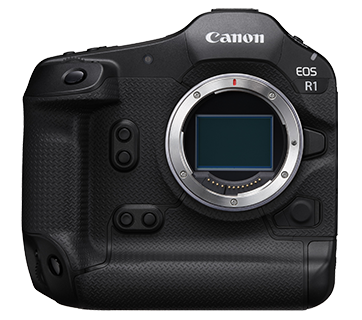
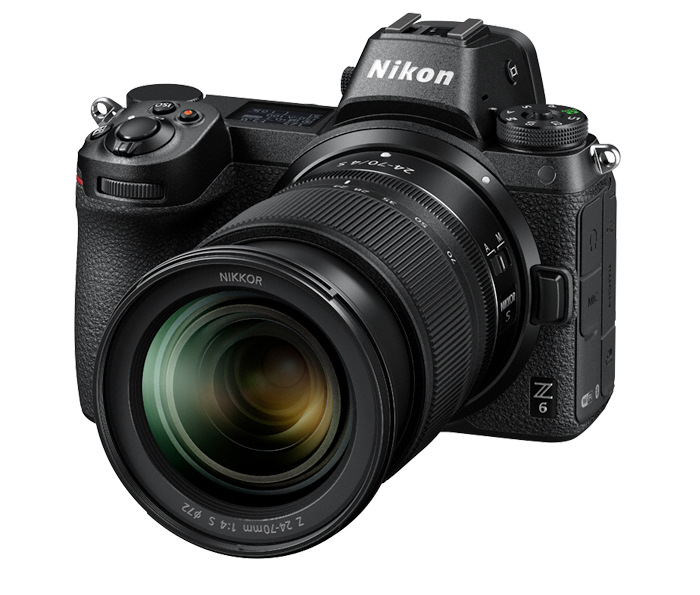
The Canon EOS R1 and Nikon Z6 are two formidable contenders in the world of full-frame mirrorless cameras, appealing to both professional photographers and serious enthusiasts. While the EOS R1 caters to the high-end market with its robust specifications and advanced features, the Z6 offers a more budget-friendly option without compromising on core performance. Buyers often find themselves comparing these products due to their respective strengths in autofocus, video capabilities, and overall usability in a variety of shooting situations. The key differentiators between them revolve around their specifications, ergonomics, and intended use cases.
Specifications Comparison
Detailed Comparison
Image Quality
In terms of image quality, both the Canon EOS R1 and the Nikon Z6 feature full-frame sensors that deliver impressive performance. The EOS R1 has a sensor size of 36 x 24 mm with 24 megapixels, while the Z6 boasts a slightly larger sensor at 35.9 x 23.9 mm and 25 megapixels. The additional megapixel count of the Z6 can translate to slightly higher resolution images, making it particularly appealing for those who prioritize detail in their work.
Moreover, the Canon EOS R1's sensor is designed to excel in dynamic and varied lighting conditions, augmented by its advanced stabilization system offering 8 stops, which can significantly reduce camera shake in low-light environments. The Z6, while also capable in low light, features a stabilization system rated at only 5 stops, which may not perform as well in challenging conditions. Ultimately, the R1's superior stabilization can deliver cleaner images in real-world shooting.
Ultimately, both cameras produce impressive image quality, but the R1 excels in low-light scenarios and offers a slight edge in stabilization. Therefore, for photographers who heavily rely on image quality in diverse conditions, the R1 can offer an advantage.
Autofocus System
The autofocus systems of the Canon EOS R1 and Nikon Z6 differ significantly, especially in their capabilities and operational effectiveness. The EOS R1 features an astounding 4,897 autofocus points, providing extensive coverage which is especially beneficial for fast-moving subjects. This vast number of autofocus points allows for precision in achieving focus quickly and accurately, making it ideal for sports and wildlife photography.
In comparison, the Nikon Z6 has 273 autofocus points, which, while sufficient for most shooting scenarios, may lag behind the R1 in high-speed environments. Nikon's AI-driven tracking technology offers capabilities that are competitive, but the sheer quantity and spread of points in the R1's system provides an edge in dynamic or challenging scenarios.
In conclusion, for photographers that require rapid focusing capabilities under pressure, the EOS R1's autofocus system proves to be significantly superior, catering well to high-speed photography needs.
Video Capabilities
When it comes to video capabilities, the Canon EOS R1 supports advanced video recording options that can cater to professional video creators. At launch, it is expected to support high-resolution video recording, potentially even higher than 4K 30p capabilities seen in the Z6, giving it a significant edge in terms of future-proofing content creation needs.
On the other hand, the Nikon Z6 offers 4K video at 30 frames per second, which is quite good for various video applications. Additionally, it includes features such as an expanded ISO range and great low-light performance which benefits videographers working in challenging lighting conditions. However, it lacks some advanced features that the R1 is likely to include, putting it at a slight disadvantage for high-end professional videography.
Thus, while both cameras can serve video creators well, the EOS R1's anticipated capabilities make it the preferred choice for professionals seeking advanced video options.
Build & Ergonomics
In terms of build quality and ergonomics, both the Canon EOS R1 and Nikon Z6 are designed with professional use in mind, featuring weather-sealing to protect against environmental conditions. However, the EOS R1 is noticeably larger and heavier, weighing in at 1115g compared to the Z6's 675g. For users who prioritize portability, the Nikon Z6's lighter weight and more compact dimensions make it a potentially better option for long shoots or travel.
The Canon's larger body can provide a better grip and overall handling, especially when using larger lenses. The EOS R1's layout also shows a more traditional professional camera design, allowing ease of use for photographers accustomed to DSLRs.
Ultimately, while the Z6 offers a more portable option suitable for casual photographers or those who travel extensively, the R1's robust build may appeal to those needing a camera that can endure more demanding conditions.
Battery & Storage
In terms of battery life, the Nikon Z6 has a notable advantage, providing approximately 310 shots on a full charge. Comparatively, the battery performance of the Canon EOS R1 is yet to be publicized; however, given its higher-end specifications and features, it may not achieve the same endurance.
Furthermore, storage capabilities matter for professional photographers, especially those dealing with high-resolution files generated by high frame-rate shooting. Both cameras utilize SD card slots, although the R1 may include newer technologies such as CFexpress cards, providing faster write speeds which are particularly useful in burst shooting scenarios.
Overall, the Nikon Z6 leads in traditional battery performance, but should the EOS R1 implement superior storage technologies, it may offset battery life concerns while handling larger file sizes with greater ease.
Value for Money
When considering value for money, the price difference is one of the most striking aspects. The Canon EOS R1 retails at $6,299, positioning it as a high-end product with features tailored for professional photographers requiring the very best in performance. In contrast, the Nikon Z6, priced at $1,995, provides an impressive combination of performance and features at a much more accessible price point.
For beginners or hobbyists, the Z6 presents a more attractive investment, allowing access to full-frame technology at a more palatable price without sacrificing significant quality or usability. In many cases, the capability to capture high-quality images even at a lower budget establishes the Z6 as an excellent choice for those just starting out.
Ultimately, while the R1 might offer more advanced features justifying its price in a professional context, buyers must weigh the performance against their budget and shooting needs. Therefore, when considering overall value for diverse user profiles, the Nikon Z6 holds a distinct advantage.
Our Verdict
The Canon EOS R1 emerges as the overall winner thanks to its superior autofocus, advanced video capabilities, and impressive stabilization features that cater to professionals seeking the utmost in performance and versatility. Conversely, the Nikon Z6 remains a compelling option, particularly for those budget-conscious users who require a reliable full-frame camera without breaking the bank. Ultimately, the choice between these two will hinge on specific user requirements; discerning professionals may prefer the advanced feature set of the R1, while enthusiasts and beginners would likely find great satisfaction in the Z6, which still offers outstanding image quality and performance.