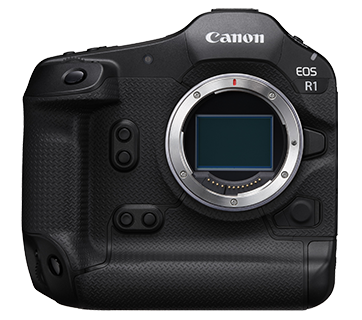
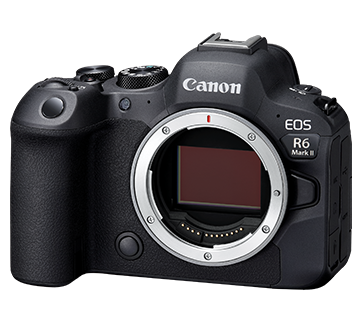
The Canon EOS R1 and the Canon EOS R6 Mark II are two powerhouse mirrorless cameras from Canon that cater to different segments of photographers and videographers. While both share a full-frame sensor and a strong autofocus system, their features and specifications set them apart in functionality, performance, and price. The EOS R1, expected to be a high-end flagship model released in 2024, is designed for professionals who demand the best in technology and capabilities. Conversely, the EOS R6 Mark II, which arrived in 2022, appeals to both enthusiasts and professionals who seek a more budget-friendly alternative without sacrificing significant performance. Buyers weighing these two models are typically looking for advanced performance, whether it's for sports, wildlife, or event photography and videography, each with specific needs depending on their budget and use case.
Specifications Comparison
Detailed Comparison
Image Quality
Both the Canon EOS R1 and R6 Mark II feature a full-frame 24-megapixel sensor, which provides excellent image quality and detail. However, the R1's forthcoming advancements in processing technology and sensor calibration could likely yield superior dynamic range and color accuracy, although these specifics will depend on real-world testing post-release in 2024. Furthermore, the R6 Mark II offers an impressive ISO range up to 102,400 (expandable to 204,800), giving users the ability to shoot in low-light conditions with minimal noise. This is particularly beneficial for event and indoor photographers who often work in challenging lighting environments. Therefore, if the absolute highest quality images with refined performance under various lighting conditions are your priority, the R1 has the edge, at least theoretically.
Autofocus System
Both cameras are equipped with an extensive autofocus system featuring 4897 points, ensuring precise focusing across the frame. The R1 boasts advanced autofocus technologies, such as real-time tracking and eye detection that can manage frequent subject changes effectively. This is particularly useful for sports and wildlife shooters. Moreover, early indications suggest the R1 could support fast, seamless focusing capabilities enhanced by improved AI algorithms. On the other hand, the R6 Mark II's autofocus is also highly capable for a wide range of scenarios; it handles eye tracking well and is responsive in varied conditions. However, the advanced functionality expected in the R1 may give it the ultimate advantage in demanding situations.
Video Capabilities
In terms of video performance, the R6 Mark II impresses with its capability to shoot 4K at 60p, appealing to videographers looking for high frame rates and resolution. The EOS R6 Mark II also features a variety of recording options and high-quality video encoding, making it versatile for different production needs. The EOS R1, while detailed video specs are still TBD, is anticipated to outperform the R6 Mark II in higher resolution and frame rates, possibly targeting 8K video recording, which would cater to a more demanding audience in the film industry. Thus, while the R6 Mark II is robust for most video applications, the R1's expected advancements in video may appeal more to dedicated filmmakers.
Build & Ergonomics
The Canon EOS R1 is designed with a rugged build, weighing in at 1115g and featuring dimensions of 158 x 150 x 87 mm. Its robust weather-sealing makes it ideal for professional photographers working in adverse conditions. The R6 Mark II is lighter at 670g and smaller at 138 x 98 x 88 mm, making it more portable for everyday use. Both cameras reflect Canon's commitment to ergonomics, offering comfortable grips and accessible controls. However, the R1's build quality, weight, and professional-grade weather sealing lend it a more esteemed position for serious photographers who frequently working in harsh environments.
Battery & Storage
Canon EOS R6 Mark II features an impressive battery life, rated at 580 shots per full charge, which is essential for extended shooting sessions. However, the specifications for battery life on the R1 are still to be confirmed. Additionally, both cameras utilize Canon's RF mount, allowing compatibility with a vast array of lenses. Prospective buyers should consider how much shooting they do in the field and the importance of battery life for their specific workflows. The R6 Mark II may hold an advantage here for those focused on portability and longevity due to its lighter battery management in real shooting conditions.
Value for Money
The Canon EOS R6 Mark II, priced at around $2,499, gives photography enthusiasts a high-performing camera that offers excellent performance at a competitive price point, thereby providing substantial value for money. The Canon EOS R1's price tag of $6,299 indicates it is targeting serious professionals demanding cutting-edge technology. While the R1 may justify its price with its anticipated advanced features and superior performance, for photographers or videographers on a tighter budget, the R6 Mark II represents a more accessible yet powerful option that still meets diverse photographic needs.
Our Verdict
Overall, the Canon EOS R1 edges out the Canon EOS R6 Mark II due to its anticipated superior performance characteristics, advanced features in autofocus and video capabilities, and robust build quality, making it the ideal choice for professional photographers and videographers. That said, for enthusiasts and those who require high performance without breaking the bank, the R6 Mark II offers fantastic value, making it the better option for casual shooters or those on a budget. Ultimately, your decision should be guided by your specific needs-whether you're seeking the utmost in cutting-edge technology or solid performance within a more reasonable budget.
Canon EOS R1
Canon EOS R6 Mark II
Also Compare
Frequently Asked Questions
Which camera is better for sports photography?
The Canon EOS R1 is likely the better choice for sports photography due to its advanced autofocus capabilities and expected higher frame rate performance, allowing fast reaction times and precise focusing on moving subjects.
Is the R6 Mark II good for low-light photography?
Yes, the Canon EOS R6 Mark II features an impressive ISO range up to 102,400, making it suitable for low-light conditions without significant noise, ideal for event and indoor photography.
Should I invest in the R1 if I am an amateur?
If you are an amateur and your budget allows for it, the EOS R1 could offer long-term value with its high-performance features. However, for most amateurs, the EOS R6 Mark II provides excellent capabilities at a more accessible price point.
How do the video features compare?
The EOS R6 Mark II supports 4K video up to 60p, making it versatile for videography. The EOS R1 is expected to include higher video specifications, potentially offering 8K recording, which could appeal to dedicated filmmakers.
Is the build quality different between the two?
Yes, the EOS R1 features a more robust build suitable for professional use, while the R6 Mark II is more lightweight and compact, making it more convenient for everyday use.