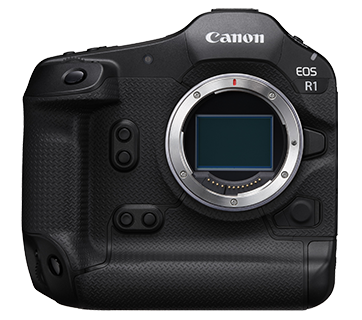
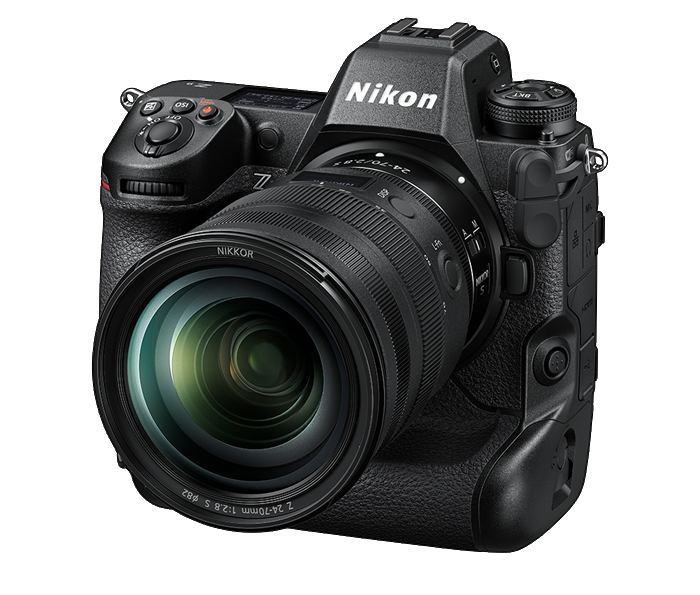
The Canon EOS R1 and Nikon Z9 represent the flagship mirrorless cameras from two of the industry's biggest names. Both are designed for professional photographers and advanced enthusiasts who demand top-tier performance, robust build quality, and cutting-edge technology for demanding genres like sports, wildlife, news, and high-end portraiture. Anyone choosing between these models is typically seeking the best autofocus, rapid continuous shooting, and uncompromising durability.
These cameras are frequently compared because they are direct competitors, launched to lead each brand's lineup and appeal to similar target audiences. The EOS R1, Canon's 2024 flagship, boasts a latest-generation autofocus system and class-leading in-body stabilization, while the Nikon Z9, released in 2021, set a new benchmark with its high-resolution sensor and impressive video features. Key differentiators for buyers include image resolution, autofocus coverage, stabilization performance, video capabilities, price, lens system, and ergonomics.
Specifications Comparison
Detailed Comparison
Image Quality
The Nikon Z9 features a 46-megapixel full-frame sensor, nearly doubling the resolution of the Canon EOS R1's 24-megapixel sensor. This makes the Z9 more suitable for applications that require extensive cropping or large prints, such as landscape and commercial photography. The R1's sensor size is the same (36 x 24 mm) and should provide excellent noise performance, but it prioritizes speed and low-light performance over sheer resolution.
In real-world use, the Z9 delivers images with more detail and flexibility for post-processing, while the R1's files are likely to be cleaner at higher ISOs, appealing to professionals who need to shoot fast-moving subjects in challenging lighting. Both cameras offer robust RAW support and wide dynamic range, so for most professional needs, image quality is excellent on both.
If maximum resolution is your deciding factor, the Z9 stands out. If you favor faster file processing and optimal low-light performance, the R1 presents some advantages. However, given the significant resolution lead, the edge goes to Nikon.
Autofocus System
The Canon EOS R1 brings cutting-edge autofocus technology with a staggering 4,897 autofocus points, far surpassing the Z9's 493 points. This gives the R1 not only broader coverage but also finer point selection, which is particularly valuable for tracking fast or erratic movement-essential in sports and wildlife photography.
Canon's latest autofocus systems, particularly their subject detection (including human, animal, and vehicle recognition), are highly praised for speed and reliability. The Z9 also features subject detection and deep learning algorithms, and its autofocus is excellent, but the much higher number of focus points and more recent processing power in the R1 provide a technical and possibly practical edge in subject acquisition and tracking.
Both brands have professional autofocus reputations, but in this generation, the R1's coverage, speed, and sophistication offer the clear advantage for users who demand the best autofocus available.
Video Capabilities
The Nikon Z9 was a trailblazer for professional video, offering 8K30p internal recording and, notably, an impressively versatile 4K 120p mode, ideal for slow-motion content at high quality. Its advanced video specs include robust codecs, extended recording times, and professional tools like waveform monitors.
While the Canon EOS R1 information provided does not specify video modes, it's likely to offer strong performance, yet the Z9's achievements in this area (especially the 4K 120p and 8K capabilities) set the standard upon its release. Professional videographers and hybrid shooters will find the Z9's feature set more comprehensive out of the box.
If capturing high-resolution or slow-motion video is a top priority, the Z9 remains ahead due to its established capabilities and reliability in professional video environments.
Build & Ergonomics
Both cameras are built to survive the rigors of professional use. They offer full weather sealing and robust magnesium alloy bodies. The EOS R1 is slightly lighter (1,115g vs. 1,340g for the Z9), which can make a considerable difference for professionals carrying gear through long shoots or remote locations.
The physical dimensions are similar, both offering integrated vertical grips for balanced handling with large telephoto lenses. Canon's slightly smaller footprint and lighter weight might provide an ergonomic benefit for users who prioritize portability alongside durability. Screen specs are nearly identical: both with 3.2-inch displays and over 2 million dots, ensuring a clear, sharp view.
Given the Nikon's marginally larger size and weight, and Canon's more recent button layout refinement, the R1 is likely to feel a touch more modern and nimble in the field.
Battery & Storage
On paper, the Nikon Z9 provides a CIPA-rated battery life of 740 shots per charge. There is no official rating listed for the EOS R1 yet, but previous Canon flagships typically offer competitive battery longevity. Both use pro-level battery systems designed for extended shoots but expect Nikon to have a small edge based on the published numbers.
Both cameras are likely to offer dual card slots and fast media support (CFexpress), ensuring robust storage options and professional backup workflows. Without specifics, it's safe to say they meet or exceed pro demands, though Z9 users have a clear, concrete number to rely on for battery performance.
Value for Money
With a $5,500 list price, the Nikon Z9 undercuts the EOS R1's $6,299 price while offering higher resolution, excellent autofocus, and superior video features. For professionals who require flagship performance at a more accessible price point, the Z9 arguably represents better value, especially given that it's already established with proven results in the field.
The R1 brings the latest technology and refinements-and for those needing its bleeding-edge autofocus or optimal stabilization (8 stops vs. 6 on the Z9), that price may be justified. However, for most users, the Z9 provides a larger feature set at a lower cost, making it the value leader in this comparison.
Lens Ecosystem
Both Canon RF and Nikon Z mounts have seen rapid growth in native lens options, with extensive coverage from wide-angle to super-telephoto. Canon RF has a slight advantage in third-party lens support and some unique fast primes, but Nikon's Z lenses are catching up rapidly and frequently praised for their optical quality.
Ultimately, both systems now offer robust, professional-grade lens selections. Choice may come down to personal preference for certain signature lenses or existing investments in legacy glass (via adapters), making this a tie.
Our Verdict
The Nikon Z9 edges out the Canon EOS R1 in this flagship battle, particularly thanks to its significantly higher resolution, class-leading video features, and a more attractive price point. While the Canon EOS R1 introduces top-tier autofocus performance and improved stabilization, which may be critical for the most demanding action shooters, the Z9 offers the best overall balance of features and value for a broader range of professional needs. For users deeply invested in Canon's ecosystem or who prioritize autofocus precision and the latest stabilization, the EOS R1 is the clear choice. However, for most hybrid professionals-photographers or videographers seeking high resolution, top video specs, proven reliability, and a more favorable price-the Nikon Z9 is the more versatile and cost-effective flagship. The final answer may hinge on your specific use case and lens collection, but overall, the Z9 claims the win.
Canon EOS R1
Nikon Z9
Also Compare
Frequently Asked Questions
Is the autofocus on the Canon EOS R1 noticeably better than the Nikon Z9's?
Yes, on paper, the Canon EOS R1 offers superior AF coverage with 4,897 points and the latest AI-driven subject tracking, which can result in more precise tracking for fast action and erratic movement. The Z9 remains excellent, but R1 is expected to have a slight edge for the most demanding real-time tracking scenarios.
Which camera is better for video: Canon EOS R1 or Nikon Z9?
The Nikon Z9 is better suited for advanced video work, thanks to its 8K internal recording and high-quality 4K 120p slow-motion modes, combined with pro-grade codecs and no recording time limits. The R1's video capability is not fully specified but is unlikely to surpass the Z9 in this area.
Is the extra weight of the Nikon Z9 a significant factor compared to the EOS R1?
The Nikon Z9 is about 225g heavier than the Canon EOS R1. For many professionals with heavy lenses, this difference may not be a dealbreaker, but for those who shoot for long hours or value portability, the R1's lighter build can reduce fatigue.
Does the higher resolution of the Nikon Z9 really matter for everyday shooting?
The 46MP sensor of the Z9 offers much more cropping flexibility and greater detail, which is important for commercial, landscape, or large print work. For news, sports, and most general uses, 24MP from the R1 is enough-but high resolution can be valuable for post-processing versatility.
How do the lens selections compare between Canon RF and Nikon Z mounts?
Both mount systems now offer extensive high-performance lens lineups. Canon may offer a few more unique fast primes and third-party options, while Nikon Z lenses are lauded for quality. Neither system is lacking for professional needs.
Which camera gives better battery life?
The Nikon Z9 has a published CIPA rating of 740 shots per charge, which is excellent for a mirrorless camera of its class. The EOS R1's battery life is not yet officially rated but is expected to be competitive. For now, Z9 has the edge based on available numbers.