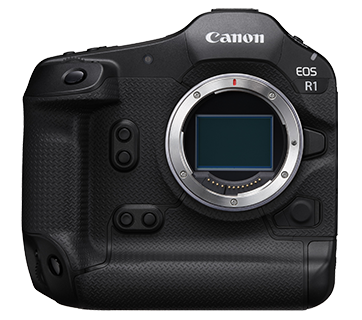
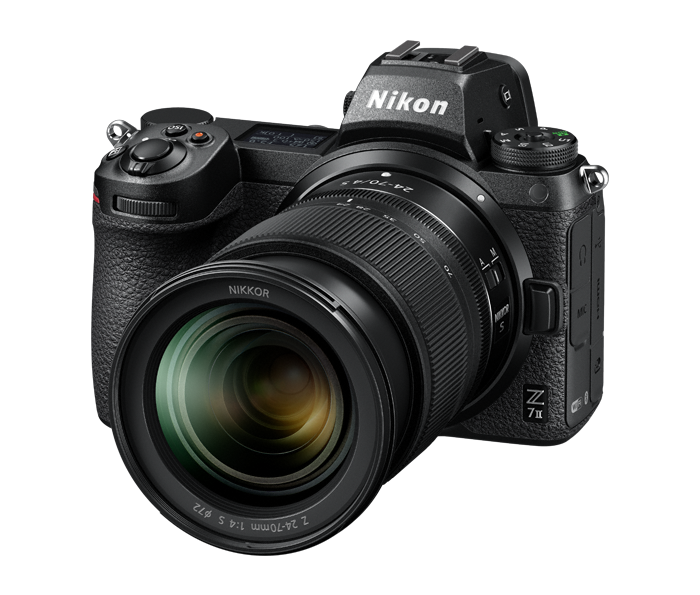
The Canon EOS R1 and Nikon Z7 II are both premier mirrorless cameras that cater to professional photographers and serious enthusiasts. Commonly compared due to their full-frame sensors, robust autofocus systems, and high-resolution capabilities, these cameras can be found on the wish lists of many photographers looking to enhance their craft. The choice between the two often boils down to specific needs regarding image quality, autofocus performance, and video capabilities, among other differentiators.
Specifications Comparison
Detailed Comparison
Image Quality
The image quality is integral to any camera's performance, and both the EOS R1 and the Z7 II excel in this regard, albeit with different approaches. The Nikon Z7 II boasts a high resolution of 46 megapixels, enabling stunning detail and image fidelity, especially beneficial for landscape and portrait photographers who demand resolution in large prints. On the other hand, the Canon EOS R1 features a lower resolution at 24 megapixels, which may seem limiting but can produce images with excellent dynamic range and low-light performance, thanks to its effective sensor and image processing.
Every photographer has unique needs-while the Z7 II's higher pixel count allows for significant cropping and larger enlargement capabilities, the EOS R1 is arguably more suited for sports and wildlife photography due to a potential advantage in handling high-speed bursts and better noise management in lower light conditions. Thus, while both cameras deliver exceptional quality, their optimal applications differ based on the megapixel requirement and light handling abilities.
Autofocus System
Autofocus is a critical element for many photographers, particularly those involved in capturing fast-moving subjects. The Canon EOS R1 showcases an impressive autofocus system with 4897 focus points, providing extensive coverage across the frame. This unparalleled focus system is designed to track subjects with remarkable accuracy, essential for action and wildlife photography.
Conversely, the Nikon Z7 II comes with 493 autofocus points, which are also effective, but may not match the extensive tracking capabilities of the Canon EOS R1. The EOS R1's superior autofocus technology is complemented by its ability to achieve focus in darker conditions, giving it a distinct edge in challenging shooting environments. Overall, for those who prioritize autofocus effectiveness, especially in dynamic scenarios, the EOS R1 stands out as the clear winner in this category.
Video Capabilities
With video becoming an increasingly important aspect of photography, both the Canon EOS R1 and Nikon Z7 II have much to offer. The EOS R1 supports high-quality 8K video recording, enabling filmmakers to capture incredibly detailed footage and offering robust post-production flexibility. This capability places the R1 in a favorable position for professionals looking to integrate high-resolution video into their projects.
In contrast, the Nikon Z7 II presents a solid offering as well, supporting 4K video at 60p. While it delivers excellent video quality, it cannot match the 8K capacity of the Canon. The 4K recording suffices for most video productions, but creatives seeking the highest resolution may lean towards the EOS R1. Thus, for video enthusiasts aiming for the latest technology, the R1 emerges as the superior choice.
Build & Ergonomics
When it comes to build quality and ergonomics, both the Canon EOS R1 and Nikon Z7 II offer robust, weather-sealed designs essential for professional use in various environments. The Canon EOS R1 is notably larger and heavier at 1115 grams, which some users may find beneficial for balance, especially with larger lenses. Its dimensions (158 x 150 x 87 mm) provide a substantial grip, which is particularly appreciated during extended shooting sessions.
On the other hand, the Nikon Z7 II is more compact and lighter, weighing 705 grams and with smaller dimensions (134 x 101 x 70 mm). This could be advantageous for photographers prioritizing portability. Despite their differing weights and sizes, both cameras provide excellent accessibility to controls, contributing to overall user experience, but individual preference will ultimately guide choices in this area.
Battery & Storage
Battery life plays a pivotal role in a photographer's workflow. The Kodak Z7 II has a rated battery life of approximately 420 shots per charge, which is relatively robust for mirrorless cameras, allowing for extended shooting sessions without frequent interruptions. However, the Canon EOS R1's battery life has not yet been disclosed but is expected to exceed that of its predecessor models, given its advanced technology and efficiency.
Moreover, in terms of storage capabilities, both cameras support high-speed memory cards, ensuring quick write times for burst shooting or video recording. While the reported battery life of the Z7 II provides practical insights, the EOS R1's anticipated performance underlines the necessity to delve into real-world comparisons once user data becomes available. In this aspect, without definitive information, it's a draw, but prospective buyers should consider their typical shooting scenarios when prioritizing battery performance.
Value for Money
The Nikon Z7 II significantly undercuts the Canon EOS R1 in terms of price, being offered at $2999 compared to the Canon's $6299 tag. Given the higher resolution and robust build quality, the Z7 II presents excellent value, especially for those primarily interested in still photography. For photographers on a tighter budget or those looking for a full-frame option that excels in image quality and general usability, the Z7 II is a compelling choice.
However, the EOS R1's advanced features, particularly its unmatched autofocus performance and 8K video recording, may justify the higher price tag for professionals whose work relies on cutting-edge technology. For content creators and those needing top-tier specs, the investment in the Canon might yield a substantial return in quality and versatility. Therefore, while the Nikon Z7 II presents better value for cost-conscious buyers, those who can afford to invest in the R1 might find its advantages worth the premium.
Our Verdict
While the Canon EOS R1 brings superior autofocus and outstanding video capture capabilities, the Nikon Z7 II emerges as the overall winner for most photographers. It offers an exceptional balance of image quality and value at a significantly lower price, which is attractive for still photographers and those with a tighter budget. For those who prioritize video and fast subject tracking in their work, and are willing to invest more, the EOS R1 might be the preferred option, but for versatile everyday use, the Z7 II represents a cost-effective solution with excellent performance.
Canon EOS R1
Nikon Z7 II
Also Compare
Frequently Asked Questions
What camera should I choose for wildlife photography?
The Canon EOS R1 would be more suitable for wildlife photography due to its superior autofocus system and 8K video capabilities, making it easier to capture fast-moving subjects.
Is the Nikon Z7 II good for landscape photography?
Yes, the Nikon Z7 II is excellent for landscape photography, thanks to its 46-megapixel resolution which captures incredible detail, making it ideal for large prints.
Which camera is better for video production?
The Canon EOS R1 is the better option for video production as it supports 8K video recording, providing high resolution and flexibility in post-production.
How important is weather sealing?
Weather sealing is crucial for outdoor photographers as it protects the camera against rain, dust, and moisture. Both cameras are weather-sealed, offering peace of mind in various shooting conditions.
What is the weight difference between the two cameras?
The Canon EOS R1 is significantly heavier at 1115 grams compared to the Nikon Z7 II, which weighs 705 grams. This difference may influence your choice based on your intended use and mobility.