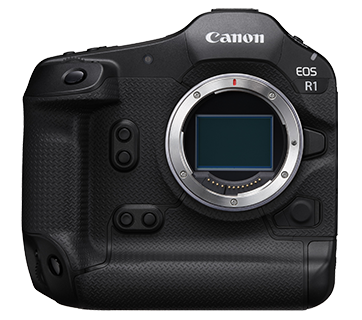
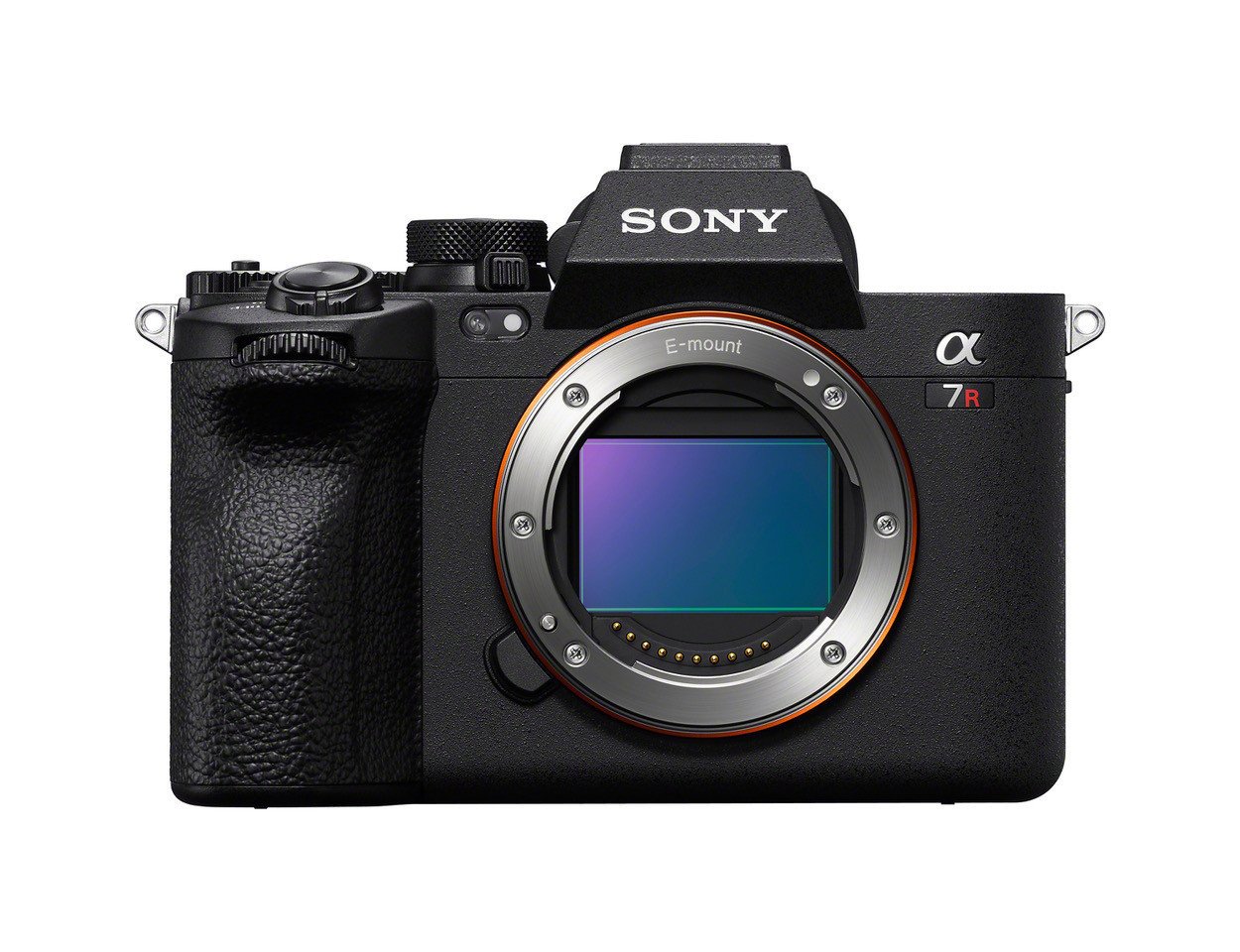
The Canon EOS R1 and Sony A7R V are two flagship full-frame mirrorless cameras that represent the pinnacle of technology in their respective brands. They are often compared by both professional photographers and enthusiasts seeking the ultimate in image quality, performance, and features. While both are capable of stunning photography and video, potential buyers may be torn between their rich specifications, brand loyalty, and particular feature sets that cater to their unique needs. Key differentiators, such as resolution, autofocus capabilities, and ergonomics, can significantly influence a buyer's decision.
Specifications Comparison
Detailed Comparison
Image Quality
When it comes to image quality, the Sony A7R V boasts an impressive resolution of 60 megapixels compared to the Canon EOS R1's 24 megapixels. This substantial difference allows the A7R V to capture more detail, making it a preferred choice for landscape and studio photographers who require large prints or extensive cropping capabilities. However, it's important to note that higher megapixels do not always equate to better image quality, as factors like noise levels and color rendition also play significant roles. The Canon EOS R1, with its more compact resolution, is optimized for high-speed shooting which can be beneficial in dynamic environments or when capturing fast-moving subjects. Additionally, the full-frame sensor in both models offers depth-of-field control and performance in low light, albeit the A7R V may perform better given its higher ISO range.
Autofocus System
The Canon EOS R1 features an extraordinary autofocus system with 4897 points, whereas the Sony A7R V has 693 autofocus points. The sheer number of points in the R1 indicates a more fine-tuned capability to lock onto subjects quickly and accurately. The improved autofocus in the R1 extends beyond just point count; it also incorporates advanced AI subject tracking that can effectively follow moving subjects, making it a standout for sports and wildlife photography. On the other hand, the A7R V is known for its reliable performance and fast tracking in various situations but may not match the R1's precision, especially in challenging lighting conditions. Thus, while both systems are robust, the EOS R1 offers significant advantages for those who prioritize fast and accurate focusing.
Video Capabilities
In terms of video capabilities, the Sony A7R V supports 4K at 60 frames per second, making it an excellent choice for filmmakers who need high-resolution video at smooth frame rates. The Canon EOS R1 has yet to be officially detailed regarding its video specifications as of its anticipated release in 2024. However, given Canon's established reputation in video gear, it is expected to include cutting-edge features like 8K recording and advanced video processing capabilities. While the A7R V serves well for current video needs, the EOS R1 may offer superior features that align with the latest trends upon its release. As such, one may lean towards the A7R V for current usability, while keeping an eye on the R1 for future potential.
Build & Ergonomics
In terms of build quality and ergonomics, the Canon EOS R1 offers a larger and more robust feel at 1115 grams, making it suitable for professional use in demanding environments. The camera is fully weather-sealed, which is crucial for outdoor photography under various conditions. Its dimensions (158 x 150 x 87 mm) provide comfortable handling, especially with larger lenses. Conversely, the Sony A7R V is lighter at 723 grams and more compact (131 x 97 x 82 mm), which could appeal to photographers who prioritize portability. Also weather-sealed, the A7R V still provides durability without the bulk. Both cameras balance weight and handling well, giving photographers versatile options depending on their shooting style.
Battery & Storage
The Canon EOS R1, being a newer model, may offer advancements in battery life over the Sony A7R V's 530 shots per charge, although specific details on battery performance are unavailable until its release. Both models support SD card storage, a widely compatible medium for photographers and videographers alike. The A7R V provides ample space for high-resolution images and 4K video, but the R1 might demonstrate improvements in storage throughput given potential enhancements in technology. Long shooting sessions may find the R1 to surpass the A7R V, but until real-world tests are published, any conclusion here remains speculative.
Value for Money
The Canon EOS R1 retails at a premium price of $6299, reflecting its high-end features and recent technology. This investment aligns with the professional market, particularly for those who demand the latest specifications and build robustness in their cameras. On the other hand, at $3900, the Sony A7R V presents a substantial price advantage, offering high-resolution imaging, solid autofocus performance, and robust video features at a lower cost. For enthusiasts and semi-professionals, the A7R V delivers excellent value without compromising on quality. While both cameras provide top-tier performance, the price difference may sway budget-conscious buyers toward the A7R V.
Our Verdict
Overall, while both cameras are exceptional in their right, the Sony A7R V takes the edge in value for money, resolution, and video capabilities, making it an appealing choice for a broad range of photographers. The Canon EOS R1, however, sets itself apart with its superior autofocus system, ideal for those who prioritize fast-moving subjects and large shooting workflows. The decision ultimately comes down to individual demands: if high-resolution and video capabilities are paramount, the A7R V shines, but for those who seek advanced autofocus technology and can afford the premium, the EOS R1 is a compelling option.
Canon EOS R1
Sony A7R V
Also Compare
Frequently Asked Questions
Is the Canon EOS R1 worth the higher price?
For professional photographers needing advanced autofocus and the latest technology, the EOS R1's features justify the price. However, for enthusiasts, the A7R V's capabilities at a lower cost may suffice.
Which camera has better battery life?
While the A7R V's rated battery life is 530 shots, specifics on the R1's battery performance are not available yet but it may outperform based on newer tech implementations.
How do the video capabilities compare?
The A7R V currently supports 4K 60p, while the R1's video capabilities remain to be seen but are expected to include advanced features given its market position.
For landscape photography, which is better?
The A7R V is the better option due to its higher 60 MP resolution, allowing for exceptional detail and cropping flexibility, crucial for landscape shooting.
Can the R1 handle low-light better than the A7R V?
While both cameras feature full-frame sensors, the Canon may perform better due to its latest sensor technologies, though the A7R V's higher ISO range also offers great low-light performance.