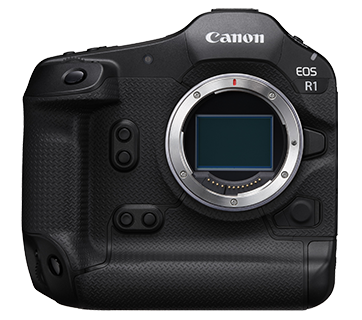
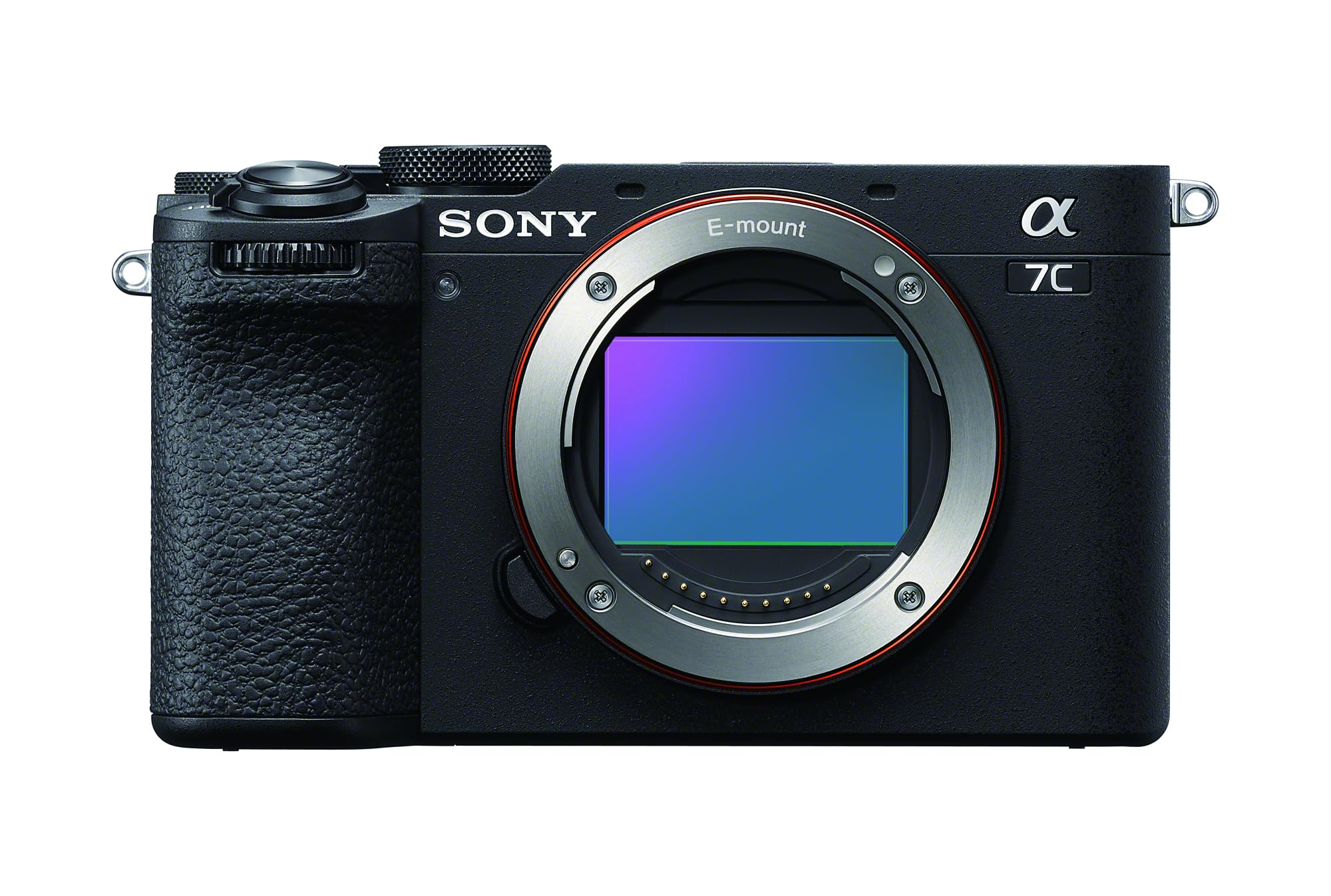
The Canon EOS R1 and the Sony A7C II are two prominent full-frame mirrorless cameras that cater to different segments of photography enthusiasts and professionals alike. Both products come from established manufacturers and are packed with exciting features, making them common contenders in the high-end mirrorless market. Photographers who might be deliberating between these two options often include professionals looking for high-performance across various disciplines, including wildlife photography, landscapes, and even videography. Key differentiators between these cameras lie in their specifications, including sensor performance, autofocus capabilities, and additional features designed for specific types of users.
Specifications Comparison
Detailed Comparison
Image Quality
When comparing image quality, both the Canon EOS R1 and Sony A7C II offer exceptional capabilities thanks to their full-frame sensors. The R1, with its 24-megapixel sensor, is designed to deliver high-quality images with excellent dynamic range and low-light performance, particularly suited for professional applications. The advantage of the 24MP resolution means files are manageable in size, allowing for easier storage and post-processing. On the other hand, the A7C II features a higher 33-megapixel sensor, which captures more detail and provides greater resolution for large prints or cropping flexibility. The increased megapixel count is beneficial for landscape and studio photographers who require fine details. Additionally, the A7C II's extended ISO range (100-51200, expandable to 50-204800) allows for improved performance in low-light scenarios, albeit at the expense of increased noise at higher ISO levels. Overall, while both cameras produce stunning images, the A7C II has a slight upper hand in detail capture and low-light versatility, making this category a win for Sony.
Autofocus System
Autofocus is a crucial factor for any modern camera, and both the Canon EOS R1 and Sony A7C II showcase advanced systems. The EOS R1 features an impressive 4897 autofocus points, providing extensive coverage across the frame which significantly aids in tracking subjects very effectively. This is especially beneficial for wildlife and sports photography, giving professional photographers a robust competitive edge. In contrast, the A7C II offers 759 autofocus points, which, while fewer, employs a sophisticated phase-detection system that also performs admirably under various conditions. The A7C II boasts real-time tracking and eye autofocus for both human and animal subjects, adding convenience especially for portrait shooters. While the R1's autofocus system is undoubtedly superior in terms of sheer numbers and coverage, the A7C II's effective real-time processing allows it to perform exceptionally well in practical use. However, considering overall performance and tracking capabilities, the EOS R1 edges out the A7C II in this aspect.
Video Capabilities
The video capabilities of a camera can greatly influence purchasing decisions, particularly for hybrid shooters. The Sony A7C II stands out in this area with its ability to shoot 4K video at 60p, making it an excellent choice for videographers looking to produce high frame rates with smooth results. The camera also supports a variety of video codecs and features like S-Log3, HLG, and 10-bit 4:2:2 output, vastly improving its flexibility and color grading options. On the other hand, while the Canon EOS R1 excels in photography, it is primarily positioned with an emphasis on high-quality still images. Specific video specs for the R1 have not been highlighted as prominently, making it seem to lack the same breadth of features compared to the A7C II. Therefore, for videographers and hybrid users where video performance is essential, the A7C II wins in this category easily.
Build & Ergonomics
The build quality and ergonomics of a camera significantly affect the user experience, particularly in challenging shooting environments. The Canon EOS R1 weighs 1115 grams, which is relatively heavy but promotes a sturdy feel, reinforced by its weather-sealed body, making it ideal for professionals working in various conditions. Its larger body size also offers a comfortable grip, especially when utilizing heavier lenses. In contrast, the Sony A7C II is much lighter at 514 grams, which is a key advantage for travel and street photographers who prioritize portability. Its compact dimensions, combined with an articulated screen, enhance usability for vlogs and casual shooting. Both cameras are weather-sealed, providing protection against dust and moisture, which is beneficial for outdoor shooting. While the R1 may excel in comfort for extended use, the lightweight design of the A7C II is a significant advantage for mobility. Therefore, depending on user preference for weight vs. comfort, either could be a suitable choice. However, with the overall balance of build quality and feel, the Canon EOS R1 takes the win in this aspect.
Battery & Storage
Battery and storage considerations play a crucial role in a photographer's workflow. The Canon EOS R1, while robust in many features, does not specify battery life in its current specs but generally provides solid performance during extensive shoots. With the heavier data from high-resolution images, it naturally demands reliable storage solutions. The A7C II, on the other hand, offers a battery life rated at approximately 540 shots, which is respectable for a compact camera. It also accepts dual cards, a feature that many hybrid shooters value for extended photography sessions or video capture. The battery life, coupled with multiple storage options, makes the A7C II particularly advantageous for users who prioritize sustained shooting sessions, without needing to frequently change batteries. Thus, in the realm of battery life and storage capabilities, the A7C II emerges as the winner.
Value for Money
In terms of value for money, the Canon EOS R1 is priced at $6299, reflecting its premium positioning aimed at professionals who require cutting-edge features and build quality for their work. For users who demand exceptional performance across both photography and occasional video, this investment may be justified. Conversely, the Sony A7C II is priced at $2200, which offers a more financially accessible package with high-quality performance, making it an excellent option for enthusiasts and those venturing into full-frame photography. Given its versatility, lighter weight, and superb video capabilities, the A7C II offers impressive value without compromising on quality. Although the R1's premium materials and advanced tech offer an unparalleled experience, the practicality and wide appeal of the A7C II position it as the clear winner in terms of value for money for the average consumer.
Our Verdict
The Canon EOS R1 takes the overall win in this comparison primarily due to its superior autofocus system and robust build quality suitable for professional use. However, the Sony A7C II excels in video capabilities, image resolution, battery life, and overall value for money, making it an excellent choice for enthusiasts and hybrid shooters. Depending on the specific needs-whether navigating the demanding field of professional photography or prioritizing portability combined with competent performance-the choice between these two models will largely depend on the user's requirements and intended use.
Canon EOS R1
Sony A7C II
Also Compare
Frequently Asked Questions
Which camera is better for wildlife photography?
The Canon EOS R1 is better suited for wildlife photography due to its superior autofocus system with 4897 points, enabling it to track fast-moving subjects effectively, alongside its robust build quality.
Is the Sony A7C II good for videography?
Yes, the Sony A7C II is excellent for videography, featuring 4K 60p video capabilities and advanced video settings, making it ideal for content creators looking for high-quality video production.
How do the weight and portability compare?
The Sony A7C II is significantly lighter at 514g, making it more portable and convenient for travel and street photography, compared to the heavier Canon EOS R1 at 1115g.
Which camera has a better lens ecosystem?
Both cameras feature robust lens ecosystems with Canon RF and Sony E mounts. Canon has a growing selection of high-quality RF lenses, while Sony's E mount offers a wide range of third-party options, making it suitable for various photography styles.
Can the Canon EOS R1 handle low-light situations?
Yes, the Canon EOS R1 can handle low-light situations well due to its full-frame sensor and advanced image stabilization, although its lower megapixel count could limit detail capture in extremely low light compared to other options.