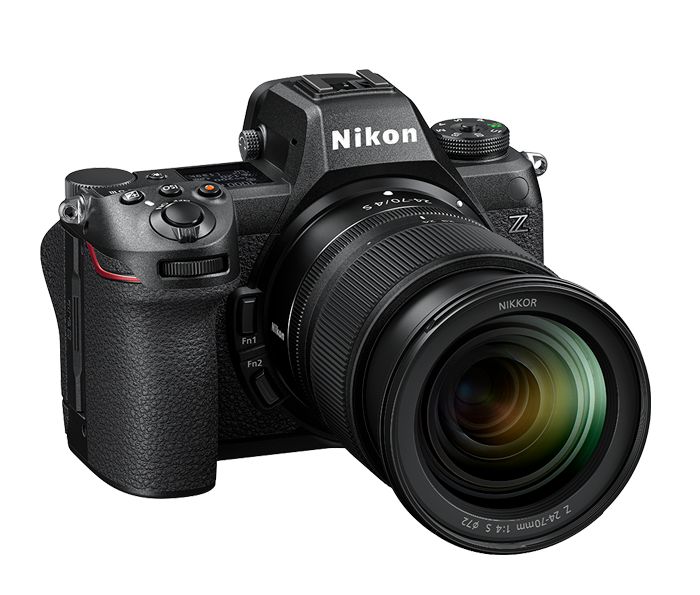
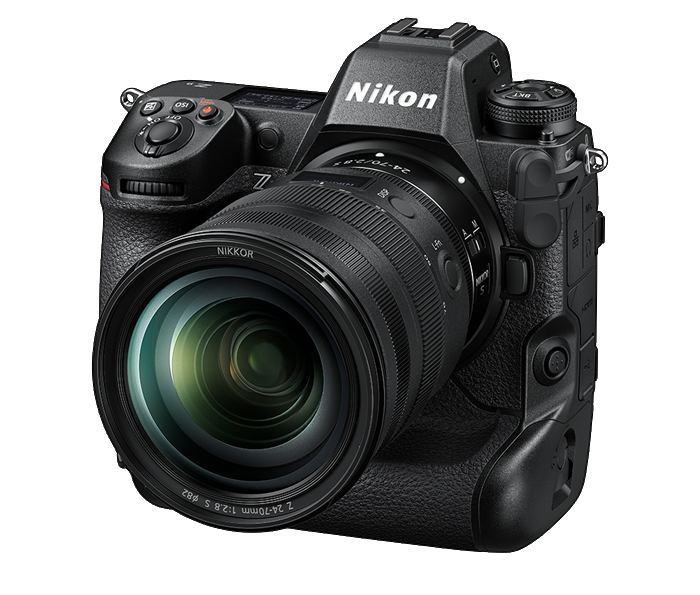
The Nikon Z6III and Z9 are two flagship offerings from Nikon in their Z series of mirrorless cameras, appealing primarily to photographers and videographers who demand high performance and quality. These models are frequently compared due to their similar full-frame sensor sizes and use of Nikon's Z mount, yet they target different segments. The Z6III is suitable for enthusiasts and advanced users who seek a versatile, well-rounded camera, while the Z9 aims to satisfy professional shooters who require unbeatable performance in fast-paced environments. Key differentiators include megapixels, autofocus capabilities, video specifications, and price points.
Specifications Comparison
Detailed Comparison
Image Quality
Both the Nikon Z6III and Z9 feature a full-frame sensor size of 35.9 x 23.9 mm, but the Z9 stands out with its 46 megapixels compared to Z6III's 25 megapixels, allowing for higher resolution images and greater detail. The Z9 captures more fine nuances in images, making it particularly appealing for landscapes and studio photography where detail and print size are crucial. In terms of ISO performance, the Z6III's range of 100-64000 provides excellent low-light capabilities, but the Z9, while lacking detailed ISO range specifications in this comparison, is expected to perform at least comparably due to its advanced sensor technology. Overall, the Z9 will produce higher quality images in terms of resolution and detail, making it the better choice for professionals requiring the highest fidelity.
Autofocus System
Autofocus technology is one of the critical aspects for any camera, especially for those involved in action, sports, or wildlife photography. The Nikon Z9 boasts an impressive autofocus system with 493 points, vastly outperforming the Z6III, which has 273 points. The Z9's robust autofocus is further complemented by its ability to track subjects effectively in challenging conditions, thanks to advanced algorithms. In practical terms, this results in a much faster and more reliable focus acquisition, particularly in dynamic shooting situations. While the Z6III offers competent autofocus for stills and video, it simply does not match the breadth and reliability of the Z9's system.
Video Capabilities
When it comes to video performance, the Nikon Z9 raises the bar with its ability to shoot 4K video at up to 120 frames per second, offering videographers unprecedented flexibility for creating high-frame-rate footage. The Z6III, while capable, does not match this specification, though it can still output high-quality 4K video for standard use cases. Moreover, the Z9's advanced cooling system allows for extended recording without overheating, a significant advantage for long shoots. While the Z6III provides a solid option for casual video users, the Z9's superior video specifications make it the clear winner for professional filmmakers.
Build & Ergonomics
Both cameras are designed with robust and weather-sealed bodies, ensuring durability under various shooting conditions. However, the Z9's build quality feels more substantial, primarily due to its larger weight of 1340g versus the Z6III's 760g. This added weight may benefit users needing a more balanced feel with larger lenses, but could be a drawback for those who prioritize portability. The Z6III is more compact, making it a better fit for travel and street photography. That said, both cameras feature electronic viewfinders and tilting screens, providing a user-friendly interface for photographers. The superior ergonomic design and build quality of the Z9 can sway serious professionals who are willing to accommodate the added weight for additional durability.
Battery & Storage
In terms of battery life, the Nikon Z9 has a notable advantage, offering around 740 shots per charge compared to the Z6III's 380 shots. This increased battery stamina is invaluable for professionals who need to shoot for extended periods without worrying about battery management. Both cameras use the Nikon Z mount, allowing for compatibility with the same lenses, but users should also consider storage options. The Z9 typically benefits from higher performance CFexpress cards due to its faster write speeds and larger image files, which can be more demanding compared to the Z6III. This gives the Z9 an edge when it comes to handling professional workloads.
Value for Money
Considering the price point, the Nikon Z6III is positioned at $2500, which is significantly more accessible than the Z9's price tag of $5500. For many enthusiasts and semi-professionals, the Z6III presents a compelling blend of features and performance that meets their needs without a significantly heavy investment. Conversely, the Z9 caters strongly to professionals requiring top-tier performance and capabilities, justifying its higher cost. Ultimately, the decision will often come down to whether one prioritizes cost-effectiveness or needs the advanced specifications available in the Z9. For many casual users, the Z6III represents excellent value while still delivering outstanding performance.
Lens Ecosystem
Both the Nikon Z6III and Z9 share the same Nikon Z mount, which allows for a broad selection of lenses available in Nikon's lineup. This compatibility ensures that users migrating between these two models will have access to the same lenses without additional investment. However, the Z9, as the more advanced body, benefits from the newer lens designs that can take advantage of its higher resolution and advanced autofocus features. As Nikon continues to expand its Z lens range, users of both cameras will equally reap the benefits. Given the shared platform, there's effectively no disparity in lenses specific to each camera, leading to a draw in this aspect.
Our Verdict
In the overall comparison, the Nikon Z9 comes out as the winner due to its superior imaging capabilities, autofocus system, video performance, and battery life, making it the ideal choice for professional use. However, for enthusiasts and those with budget constraints, the Nikon Z6III still provides excellent image quality and a well-rounded feature set at a more accessible price. Depending on usage, individuals must weigh the importance of features like resolution, autofocus, and added ergonomics against their specific needs and budget.