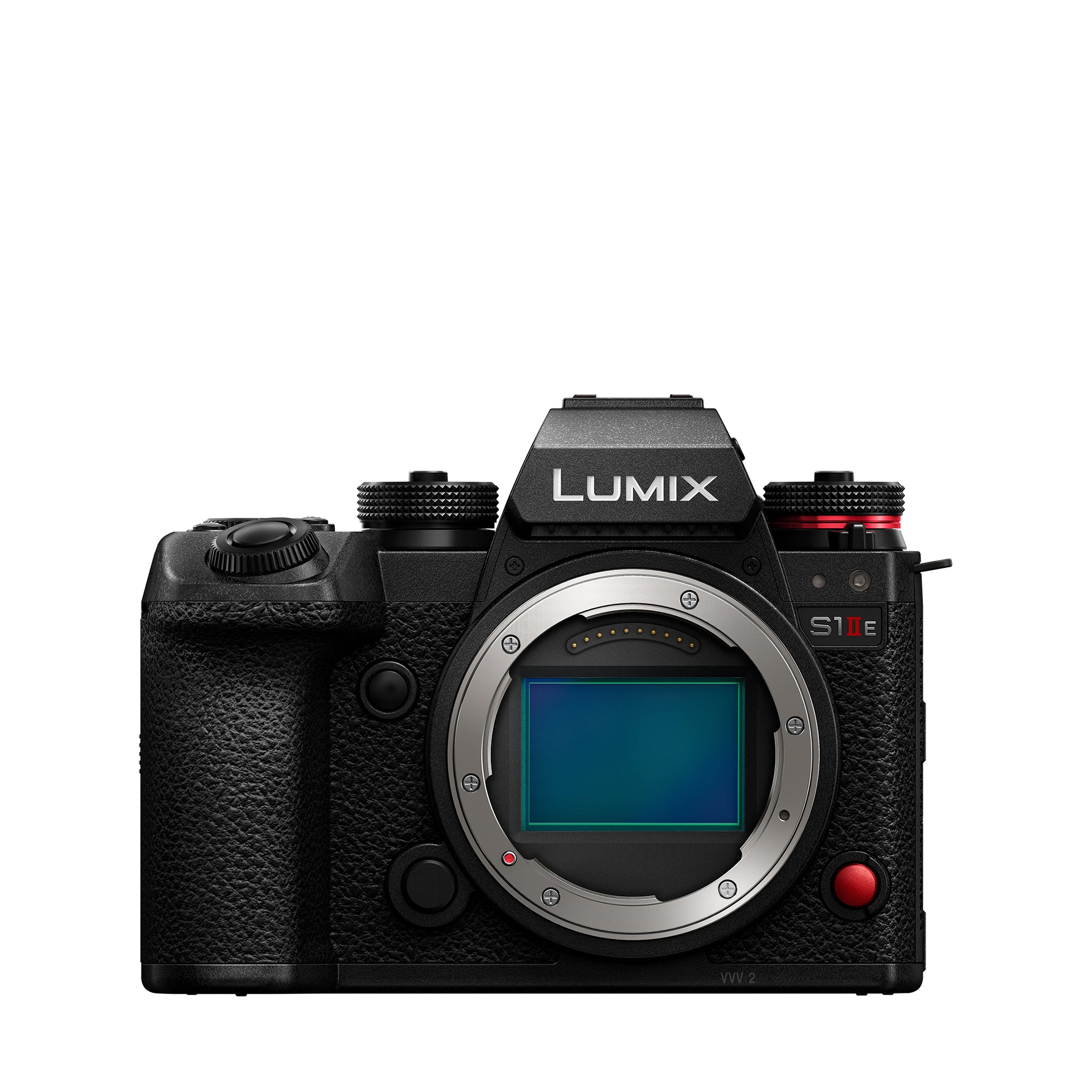
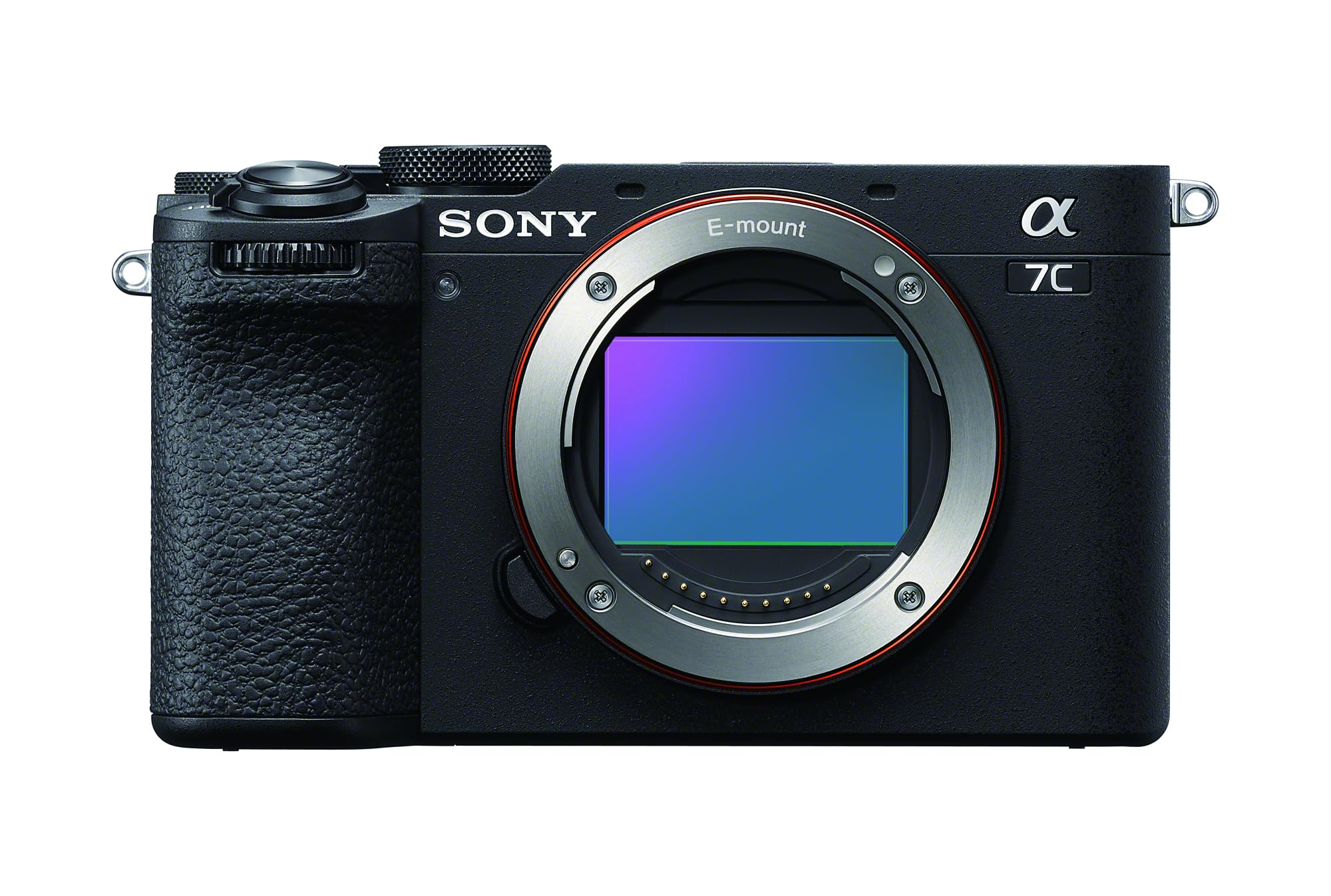
The Panasonic S1 II E and Sony A7C II are two prominent full-frame mirrorless cameras that appeal to both enthusiasts and professional photographers. They are often compared as they each offer unique strengths and cater to varying photography styles. Buyers might be drawn to the S1 II E for its robust video capabilities and exceptional frame rates, while the A7C II garners attention for its higher resolution and superior autofocus system. Choosing between these two cameras requires an understanding of their specifications and how they perform in real-world scenarios, which are often dictated by individual shooting needs.
Specifications Comparison
Detailed Comparison
Image Quality
Both the Panasonic S1 II E and the Sony A7C II possess full-frame sensors, but they differ in resolution, with the S1 II E offering 24.1 megapixels and the A7C II providing 33 megapixels. Higher megapixels on the A7C II allows for more detailed images, particularly beneficial in large prints or when cropping extensively. On the other hand, the lower pixel count of the S1 II E can help in low-light performance by improving signal-to-noise ratio. Each camera's sensor design contributes to color fidelity and dynamic range, with the Panasonic often favored by videographers thanks to its video-centric features and color science. In practical terms, both cameras can produce stellar image quality, but for resolution-heavy scenarios, the A7C II might have the edge.
Autofocus System
The Sony A7C II boasts an advanced autofocus system with 759 autofocus points, which translates to fast and reliable focus acquisition under various lighting conditions. This is particularly useful in action photography or when capturing spontaneous moments. In contrast, the Panasonic S1 II E does not specify its autofocus points but is generally recognized as having a competent system, particularly in video mode due to its advanced subject tracking capabilities. However, in a direct comparison, Sony's extensive focus points and their Eye AF technology can provide a significant advantage for users prioritizing precise autofocus, especially for portrait and wildlife photography. Users who rely heavily on autofocus in challenging situations may prefer the A7C II.
Video Capabilities
For video capabilities, the Panasonic S1 II E is a standout with impressive recording options, including 5.9K at 60p, 5.1K at 60p, and 4K at 120p, making it a highly versatile choice for content creators and filmmakers. The S1 II E's extensive frame rate options and high resolution position it as a professional video tool. The Sony A7C II, however, is limited to 4K 60p, which might be sufficient for many users but doesn't match the S1 II E's versatility. Additionally, the S1 II E often benefits from better video-centric features like V-Log and advanced focus functionalities tailored specifically for video. Thus, for those focused on high-end video production, the S1 II E clearly takes the lead.
Build & Ergonomics
The build quality of both cameras is impressive, with the A7C II being particularly compact and lightweight at 514g, making it one of the most portable full-frame options available. Its dimensions (124 x 71 x 63 mm) also make it easy to handle, especially for users who prioritize travel or street photography. The Panasonic S1 II E, while slightly bulkier and heavier (exact weight unspecified but generally noted as more substantial), offers a robust grip and is designed to endure harsh conditions, with weather-sealing as a clear advantage for outdoor shooting. Both cameras have electronic viewfinders and touchscreens, but the choice between a more compact design versus a sturdier build will ultimately lean on the individual user's preference.
Battery & Storage
The Sony A7C II excels with its battery life, offering approximately 540 shots on a single charge, which is advantageous for long shoots without the need for frequent recharging. Its use of Sony's NP-FZ100 battery is known for performance and longevity. In contrast, while specific battery life figures for the Panasonic S1 II E are not provided, it's essential for users to consider their shooting style and the frequency of needing to change batteries. Both cameras use SD card slots, but those utilizing ultra-fast storage solutions will find the Panasonic S1 II E supports higher write speeds, especially for video work. Users looking for endurance in their photography sessions may favor the A7C II due to its superior battery performance.
Value for Money
Priced at $2200, the Sony A7C II presents a solid value, especially considering its advanced autofocus system, good resolution, and overall portability. It caters well to both photographers and videographers seeking a balanced yet powerful camera. The Panasonic S1 II E, while not priced in the original data, is positioned in a similar or slightly higher tier due to its extensive video capabilities and exceptional performance in low light. Buyers must evaluate how much they value video features versus still photography advancements when considering each camera's price-to-performance ratio. Those deeply involved in video production may find the premium spent on the S1 II E worthwhile, while general photography enthusiasts might find the A7C II to offer more bang for their buck.
Lens Ecosystem
Both brands provide extensive lens selections, yet they cater to different user needs. Sony's E mount benefits from a large array of native lenses backed by the company, offering options ranging from ultra-wide to super telephoto, perfect for various styles ranging from landscapes to sports. Additionally, the A7C II's ability to adapt to third-party lenses increases versatility. Conversely, Panasonic's L-mount alliance provides an expanding choice of lenses from Leica and Sigma, enhancing creative options for L-mount users. However, the more established ecosystem of Sony's lens selection currently offers broader choices, which could sway users depending on their specific needs for lens accessibility.
Our Verdict
Overall, the Sony A7C II emerges as the winner in this comparison, primarily driven by its superior autofocus system, impressive battery life, and versatile compact design. It is particularly favored by still photographers and casual videographers looking for a reliable, lightweight option. However, for serious videographers seeking advanced capabilities and exceptional frame rates, the Panasonic S1 II E holds its own and is worth considering despite a potential premium price. Ultimately, the best choice depends on the specific use case: high-frame-rate video production or a well-rounded still and lightweight camera.
Panasonic S1 II E
Sony A7C II
Also Compare
Frequently Asked Questions
Is the image quality significantly different between the two models?
While both cameras offer excellent image quality, the A7C II's higher resolution gives it an edge in detail, especially for large prints or cropping. However, the S1 II E excels in color science and video quality, making it a solid choice for videographers.
Which camera is better for low light performance?
Both cameras perform well in low-light conditions, but the S1 II E may have a slight advantage due to lower resolution leading to improved noise performance at higher ISOs.
Do I need a special lens for each camera?
Yes, each camera uses a different mount; the S1 II E uses the L-mount, while the A7C II uses the Sony E mount. You will need corresponding lenses for each camera.
What type of photography is each camera best suited for?
The Sony A7C II is ideal for still photography and travel, providing excellent autofocus and a lightweight body. The Panasonic S1 II E is suited for professional video work due to its advanced video features and higher frame rates.
What are the weather sealing features like?
Both cameras offer weather sealing, but the S1 II E is generally considered more robust in harsh weather conditions, making it suitable for outdoor photography.