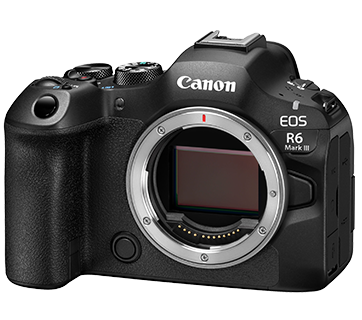
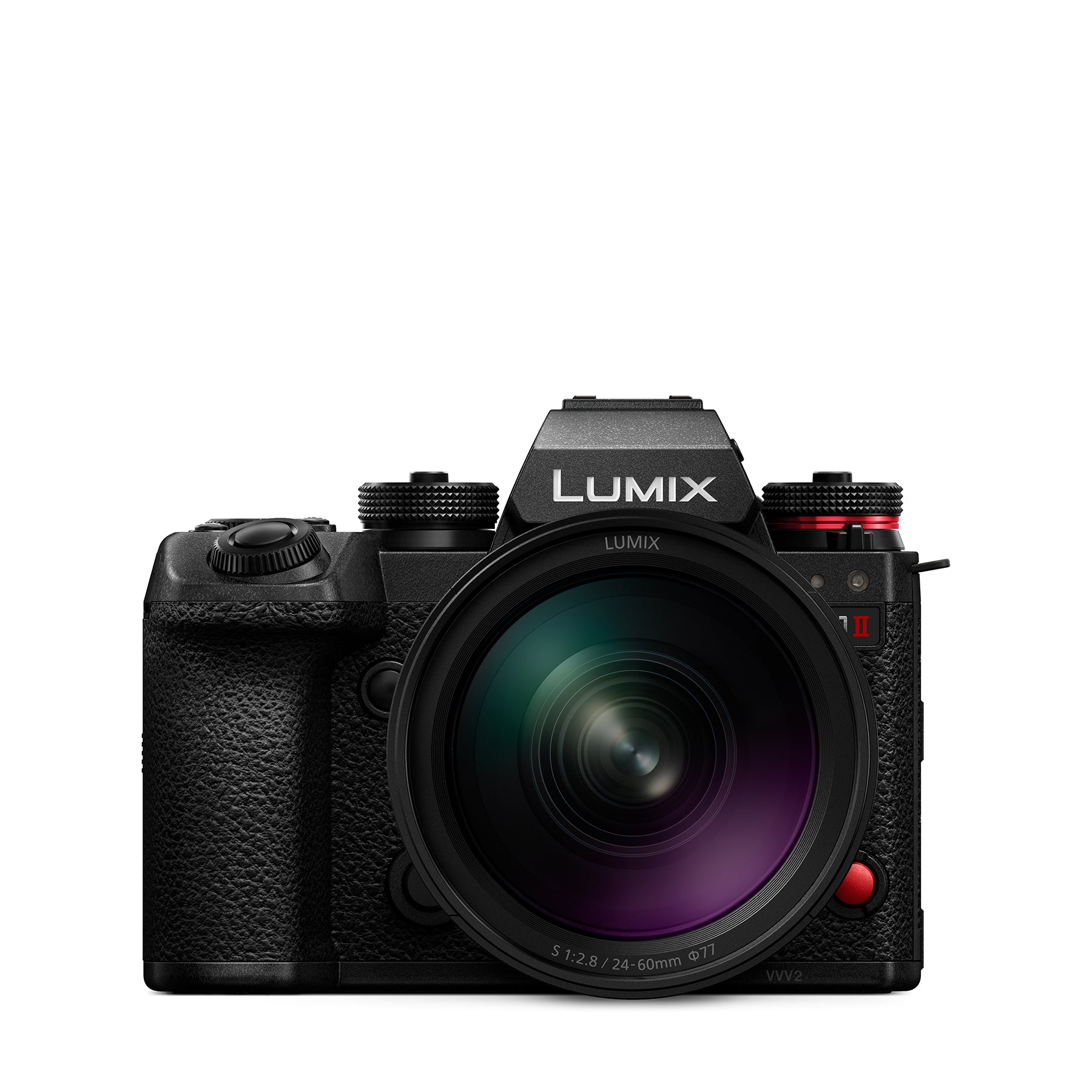
The Canon EOS R6 Mark III and the Panasonic S1 II are two powerful full-frame mirrorless cameras designed to cater to a wide range of photography and videography needs. These models are often compared due to their high-performance specifications, advanced features, and competitive pricing, appealing to both enthusiasts and professionals. Buyers in search of a versatile camera often find themselves evaluating these two, weighing their unique strengths in autofocus performance, video capabilities, image quality, and overall user experience. As both brands have established themselves as leaders in the camera market, the key differentiators between these models hinge on factors such as video resolution, autofocus capabilities, and overall ergonomics.
Specifications Comparison
Detailed Comparison
Image Quality
Both the Canon EOS R6 Mark III and Panasonic S1 II offer impressive image quality. The Canon features a full-frame sensor with an extended ISO range of 100 to 102400, which can be expanded to 204800, allowing for excellent low-light performance. In contrast, the Panasonic S1 II, with its 24.1 megapixels, also delivers stunning images with good detail and dynamic range. The R6 Mark III's sensor technology tends to excel in color reproduction and noise management at higher ISO settings, making it ideal for low-light shooting.
However, the differences in megapixels are notable; while the Panasonic S1 II has a lower megapixel count, this can lead to less file size per image, which might appeal to photographers focused on storage efficiency and faster processing. Ultimately, the Canon's superior ISO performance gives it an edge for those prioritizing low-light capabilities.
In terms of overall sharpness and detail, both cameras perform competently, but the Canon EOS R6 Mark III benefits from Canon's renowned L-series lens quality which can further enhance image outcomes, particularly in challenging conditions.
Autofocus System
The autofocus systems in these two cameras reflect their intended use cases. The Canon EOS R6 Mark III shines with its cutting-edge Dual Pixel CMOS AF technology, boasting an astounding 4897 autofocus points, which covers nearly the entire frame. This extensive coverage is advantageous for capturing fast-moving subjects, making it ideal for sports and wildlife photography.
Conversely, the Panasonic S1 II utilizes a contrast-detect autofocus system, which, while accurate, may not reach the same level of speed and reliability as Canon's solution in fast-paced environments. Although Panasonic's system has improved in recent models, it may still lag behind Canon's performance, especially in scenarios requiring quick subject tracking.
For photographers who often work in dynamic or unpredictable settings, the advanced autofocus capabilities of the Canon EOS R6 Mark III would provide confidence and reliability. Thus, Canon takes the lead in this aspect, offering faster focusing and superior subject detection algorithms.
Video Capabilities
When it comes to video features, the Panasonic S1 II stands out due to its ability to shoot in 5.1K resolution at 60 frames per second, which is particularly appealing for videographers who demand high resolution and detail. This capability is complemented by Panasonic's extensive video recording options and codecs, making it a robust choice for professional video production.
On the other hand, the Canon EOS R6 Mark III supports 4K video at an impressive 120 frames per second, enabling stunning slow-motion footage. While the Canon's resolution is lower than that of the S1 II, the high frame rate allows for smooth and cinematic slow-motion recordings, appealing to certain filmmakers and content creators.
In terms of video stability, both cameras come equipped with substantial stabilization systems; however, the Canon offers an impressive 8.5 stops of in-body stabilization compared to the 8 stops provided by the Panasonic. This could make handheld shooting more manageable in varied conditions. Given the superior frame rates and stabilization features, the Canon takes the lead in usability for dynamic video storytelling.
Build & Ergonomics
The build quality of both the Canon EOS R6 Mark III and Panasonic S1 II is robust, reflecting their professional-grade capabilities. The Canon features a weather-sealed body, providing enhanced durability against dust and moisture, which can be crucial for outdoor shooting environments. Its ergonomic design makes it comfortable to hold during prolonged use, especially for photographers on the move.
The S1 II also prioritizes build quality, offering similar weather-sealing and a rugged construction. However, some users might find the combined weight of 699g for the Canon R6 Mark III slightly more manageable compared to the S1 II, as the overall design is tailored for extended usability.
Both cameras feature electronic viewfinders, although heavily favored by users due to their high-resolution displays. In this aspect, the Canon's display can prove a bit crisper, which can enhance the user experience for composing shots in various lighting conditions. Overall, both cameras are built for endurance, but the balance favors Canon for its lighter weight and superior ergonomics.
Battery & Storage
The battery life of the Canon EOS R6 Mark III is rated to capture around 360 shots per charge, which is typical but could be improved for longer shooting sessions. Conversely, the Panasonic S1 II is known for slightly better battery performance, offering approximately 400 shots, which can be advantageous during extended use without immediate access to charging stations.
In terms of storage, both cameras utilize dual card slots, essential for professional work. However, the Canon supports CFexpress Type B cards in addition to SD, allowing for faster data processing, especially useful in high-resolution video recording and rapid-fire photography modes. Panasonic's S1 II relies primarily on SD cards, which can be slower in read/write speeds, particularly with 4K and higher resolutions.
For users focusing on extensive continuous shooting or high-speed video, this factor could make a significant difference, tilting the advantage towards Canon's storage options. Therefore, despite the slight edge in battery life for the Panasonic, the flexibility in storage formats gives Canon an overall advantage.
Value for Money
With a retail price of $2799, the Canon EOS R6 Mark III positions itself as a premium option packed with features that cater to both photographers and videographers. Its advanced technology, versatility, and strong brand reputation can assure a sound investment for serious practitioners who might require these capabilities.
On the other hand, while specific pricing for the Panasonic S1 II has not been provided, Panasonic cameras generally tend to offer a slightly more competitive pricing structure for similar specifications. The S1 II, with its 5.1K video capability, gives a slightly higher resolution at competitive pricing, appealing to budget-conscious videographers willing to compromise slightly on still photography performance in exchange for exceptional video quality.
Ultimately, while Canon excels in features that cater to a diverse range of users, the Panasonic may offer greater value for those primarily focused on high-resolution video production. Therefore, when considering overall value for both photography and videography, Canon emerges on top for its comprehensive feature set.
Lens Ecosystem
Canon's RF mount system boasts a rapidly growing selection of high-quality lenses, including several premium L-series options that ensure optimal performance with the EOS R6 Mark III. This makes it an excellent choice for photographers looking to expand their lens collection for various shooting scenarios, from portraits to landscapes and wildlife.
Panasonic, though offering great lenses for its S1 II, operates within a more niche market, especially in the full-frame domain. While there are high-quality lenses available for the L-mount system, such as Sigma and Panasonic's own offerings, the range is not as expansive as Canon's RF mount lenses. This can limit flexibility for users with very specific lens requirements.
For those who desire a versatile lens ecosystem and more choices for specialty lenses, Canon offers significant advantages. The extensive RF mount options make the EOS R6 Mark III a more attractive investment for photographers who prioritize diverse lens availability.
Our Verdict
The Canon EOS R6 Mark III emerges as the overall winner when comparing these two exceptional full-frame cameras. Its superior autofocus performance, video capabilities with high frame rates, comprehensive lens ecosystem, and effective in-body stabilization makes it a formidable choice for both photographers and videographers. While the Panasonic S1 II offers competitive video capabilities and good value, particularly for videographers, those needing a balanced combination of still and moving image performance will find more in the Canon model. Buyers focused on versatility in various shooting conditions will likely benefit more from the R6 Mark III's extensive specifications and the strengths it brings to both stills and video.