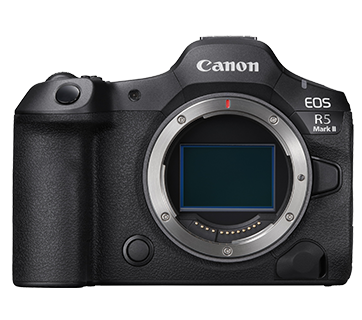
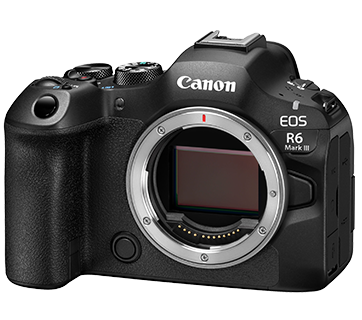
The Canon EOS R5 Mark II and Canon EOS R6 Mark III are two premium mirrorless cameras from Canon that cater to enthusiasts and professional photographers alike. Both cameras boast a full-frame sensor and provide advanced features suitable for various photography styles. Buyers often compare these models due to their similar body design, but they have some key differentiators that could influence purchasing decisions. The R5 Mark II primarily targets those who prioritize high-resolution images and superior video performance, while the R6 Mark III appeals to those looking for fast performance and versatile low-light capabilities, typically at a lower price point.
Specifications Comparison
Detailed Comparison
Image Quality
When it comes to image quality, the Canon EOS R5 Mark II features a 45-megapixel sensor, creating images with incredible detail and dynamic range. This is particularly beneficial for landscape and studio photography, where high resolution is essential. On the other hand, the Canon EOS R6 Mark III has a 24-megapixel sensor, which may not offer the same level of detail as the R5 Mark II but excels in low light situations due to its wider ISO range (100-102400, expandable to 204800). The R6 Mark III can capture images more effectively in challenging lighting conditions, making it versatile for event and street photography.
The difference in megapixels also affects file sizes, with the R5 Mark II producing larger files that may require more storage. Conversely, the R6 Mark III's smaller file sizes allow for greater flexibility in storage and faster processing times. Additionally, both cameras maintain excellent color accuracy and overall image quality, although the R6 Mark III's lower resolution may seem preferable for users who prioritize quick performance and easier handling in post-production.
In summary, while the R5 Mark II offers superior detail for high-resolution needs, the R6 Mark III shines in lower light conditions. Overall, the quality of both models will satisfy most photographers' needs, but specialized use may favor one over the other.
Autofocus System
The autofocus systems in both the Canon EOS R5 Mark II and the R6 Mark III are advanced and reliable, but they differ in scale and performance. The R5 Mark II features an impressive 5850 autofocus points, allowing for precise tracking of subjects in various shooting scenarios. This extensive coverage, combined with dual pixel autofocus technology, offers photographers the ability to capture fast-moving subjects with remarkable accuracy.
In comparison, the R6 Mark III has 4897 autofocus points but compensates with a slightly faster maximum frame rate of 40 frames per second. This makes the R6 Mark III very appealing to sports and wildlife photographers who require rapid shooting speeds without compromising focus accuracy. Both systems benefit from advanced AI capabilities to track human and animal eyes effectively, ensuring sharp focus even in tricky conditions.
While both cameras provide exceptional autofocus performance, the R5 Mark II's larger number of autofocus points gives it a slight edge in versatility and precision tracking, especially for still photography and cinematic work. However, for high-speed action and real-time sports capture, the speed of the R6 Mark III's autofocus system could be more advantageous.
Video Capabilities
The video features of the Canon EOS R5 Mark II are particularly compelling, offering 8K recording and impressive 4K capabilities at up to 120 frames per second. This camera is designed for professionals who require high-quality video output, making it suitable for filmmakers and content creators looking for the best specifications to produce cinematic content. Its advanced image stabilization and 10-bit 4:2:2 recordings further enhance its video performance.
On the other hand, the Canon EOS R6 Mark III also supports high-quality video with 4K recording at 120p but does not offer 8K options. While this isn't a dealbreaker for all videographers, some may find the absence of 8K limiting for future-proofing their work. It does, however, cater well to those primarily focused on 4K production with a slightly more user-friendly approach for fast-paced filming.
Both cameras come with thorough video features, such as log profiles for color grading, though the R5 Mark II is tailored more for high-end video production, while the R6 Mark III provides excellent usability for independent creators or those less focused on resolution.
Build & Ergonomics
Both the Canon EOS R5 Mark II and R6 Mark III share identical dimensions and weather-sealed bodies, giving them a similar feel and robustness. Both are suitable for outdoor photography and withstand various weather conditions, a trait that many professional photographers highly value.
In terms of weight, the R6 Mark III is slightly lighter at 699g compared to the R5 Mark II's 746g. This minor difference can make an impact during extended shooting sessions, allowing the R6 Mark III to be slightly more comfortable for long-term use. Additionally, both cameras feature electronic viewfinders, but the R5 Mark II benefits from a higher resolution display, providing clearer visuals for precise framing and checking focus.
The R5 Mark II's screen also has superior dot count (2,100,000 dots vs. the R6's 1,620,000), which allows for better image review and composition consistency. While both cameras provide excellent ergonomics for their size, the R5 Mark II edges slightly ahead in display quality, making it a tad more favorable for photographers who require precision in capturing and reviewing images.
Battery & Storage
In terms of battery life, the Canon EOS R5 Mark II offers around 540 shots on a single charge, while the R6 Mark III has an efficient design that is optimized for similar conditions. However, the R5's slightly higher shot count could appeal to those who plan to shoot extensively without frequent recharging. Considering their similar capacity for storage slots, both models support CFexpress and SD UHS-II cards, which provide ample options for high-speed data write, accommodating both video and burst shooting.
While both cameras feature robust storage options, the efficiency and longevity of the R5 Mark II's battery make it preferable for professional users who may engage in extensive shooting sessions, particularly in remote areas. Over a full day of shooting, the extra battery shots provided by the R5 Mark II can alleviate the stress of needing to recharge multiple times.
Ultimately, both cameras perform well, but the R5 Mark II's increased battery capacity gives it an edge for users who prioritize extended shooting without interruptions.
Value for Money
The Canon EOS R6 Mark III is priced at $2799, which makes it significantly more budget-friendly compared to the R5 Mark II, priced at $4299. For those on a tighter budget or who do not require the absolute highest image quality and advanced video features, the R6 Mark III represents an excellent value while still delivering high performance across the board.
When considering value, it's essential to recognize the capabilities of the R6 Mark III; it offers superb low-light performance, video functionalities, and a responsive shooting experience that suits many photographic needs. For hobbyists and aspiring professionals, the savings on the R6 Mark III could be utilized for investing in lenses or other accessories, enhancing the overall photographic experience.
Conversely, for professionals and enthusiasts who prioritize image resolution, dynamic range, and cutting-edge video capabilities, the Canon EOS R5 Mark II justifies its higher price with features that may be critical for their work. Therefore, it attracts those who seek top-tier performance without compromise, emphasizing the worth within its price range.
Ultimately, the R6 Mark III excels in value for money for users who do not need the highest specifications, while the R5 Mark II offers exceptional features worthy of its price tag.
Our Verdict
Overall, the Canon EOS R5 Mark II outshines the Canon EOS R6 Mark III in several key areas, such as image quality, autofocus precision, and advanced video capabilities, making it the better choice for serious photographers and videographers who demand high resolution and superior performance. However, the R6 Mark III is an excellent option for those looking for a well-balanced camera that excels in versatility, particularly for low-light shooting, all at a more approachable price point. Ultimately, buyers should consider their specific needs and budget when making a decision, as both cameras offer compelling features suited to different styles and levels of photography.
Canon EOS R5 Mark II
Canon EOS R6 Mark III
Also Compare
Frequently Asked Questions
What are the main differences in image quality between the R5 Mark II and R6 Mark III?
The R5 Mark II has a higher resolution sensor (45MP vs. 24MP), which results in more detailed images, particularly beneficial for large prints and cropping. The R6 Mark III performs better in low-light conditions due to its expanded ISO range.
Which camera is better for video recording?
The R5 Mark II provides 8K recording and advanced 4K capabilities, making it superior for videographers needing high-resolution video output. The R6 Mark III, while lacking 8K, still offers excellent 4K capabilities and might be sufficient for many creators.
Is the autofocus system on both cameras reliable?
Yes, both cameras feature advanced autofocus systems, but the R5 Mark II has more autofocus points (5850 vs. 4897), offering slightly better tracking accuracy and precision.
How does battery life compare between the two models?
The R5 Mark II offers around 540 shots per charge, which is marginally higher than the R6 Mark III. This can be important for long shooting sessions in remote locations.
Which camera provides better value for money?
The R6 Mark III presents a better value for those on a budget as it is priced lower while still offering remarkable performance. However, the R5 Mark II justifies its higher price with superior specifications for professionals.