Overview
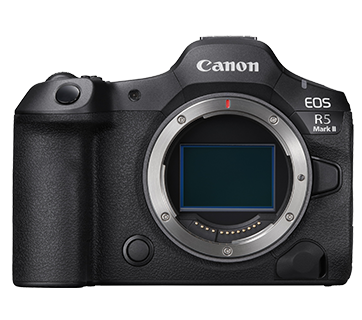
The Canon EOS R5 Mark II positions itself firmly as a premium full-frame mirrorless camera that caters to both professional photographers and serious enthusiasts. Building on the success of its predecessor, the R5 Mark II boasts a host of significant upgrades that enhance its versatility across a wide range of shooting scenarios. With an impressive 45-megapixel sensor, capable of delivering remarkable detail, and an enhanced autofocus system featuring 5,850 focus points, the R5 Mark II stands out in a crowded market, particularly for users aiming for high-quality stills and video alike.
Key selling points of the R5 Mark II include its outstanding low-light performance, due in part to its dual native ISO capability, which is particularly valuable for videographers. Furthermore, with support for 8K video recording at 60 frames per second and improved C-Log2 profiles, this camera is a strong contender for creators looking to push the boundaries of their visual storytelling. However, some concerns regarding battery life and heat management could temper enthusiasm, making it crucial for potential buyers to assess whether these factors might impact their intended use.
Image Quality
The Canon EOS R5 Mark II's standout feature is undoubtedly its image quality, attributed to its full-frame sensor that measures 36 x 24 mm and captures 45 megapixels of detail. This resolution allows for stunningly sharp images, even at high magnifications, making it ideal for landscape, product, and wildlife photography. Users have noted an exceptional dynamic range, with improved highlight roll-off which is especially beneficial for those shooting in challenging lighting conditions. This camera performs admirably at higher ISO settings, rendering images with minimal noise even up to ISO 12,800, which broadens its usability for low-light environments.
Color rendering is another strong point for the R5 Mark II, thanks to its enhanced C-Log2 color profiles. Photographers report that these improvements not only boost overall tonal quality but also give more flexibility in post-processing, allowing for a richer visual narrative. Users familiar with Canon's color science have expressed an appreciation for how the R5 Mark II maintains skin tones and color accuracy across various lighting situations. Nonetheless, it will be crucial for photographers to monitor how the second native ISO at 4000 behaves in still photography, as some users have raised concerns about noise levels beyond this range.
In real-world usage, the camera's high resolution and dynamic range have pleased many genres of photographers who value detail and versatility. From macro shots to expansive landscapes, the R5 Mark II excels, and its ability to shoot at high speeds (up to 30 frames per second) without compromising quality enhances its use in fast-paced situations.
What Users Say
"If you’re coming from an R6, I suspect the improvements can seem rather modest."
-- Reddit community
Autofocus Performance
Canon has long been a leader in autofocus technology, and the EOS R5 Mark II continues this tradition with a state-of-the-art system comprised of 5,850 autofocus points. The Dual Pixel CMOS AF II significantly enhances autofocus accuracy and responsiveness, with advanced features such as Eye Detection for both people and animals, making it an excellent choice for photographers tackling dynamic subjects. Users reported the autofocus to be incredibly fast and reliable, crucial for shooting in various environments, from bustling streets to wildlife in the wild.
The camera's autofocus capabilities extend beyond static subjects thanks to Canon's impressive algorithms that track moving objects with precision. In particular, the pre-capture mode allows users to capture frames before the shutter button is fully pressed, a feature that can be a game-changer for sports and wildlife photography, as noted by some users. However, initial firmware issues impacted AF tracking functionality for specific users, raising concerns about consistency during professional use, although many have noted improvements with subsequent firmware updates.
In practical testing, the speed and accuracy of the autofocus allow for seamless transitions between different subjects and lighting scenarios. This versatility positions the R5 Mark II as a reliable tool for both still photography and video applications, particularly for those working in fast-paced environments where timing is crucial.
What Users Say
"Pre-capture mode that generates normal files can also be a game changer for sports and wildlife."
-- Reddit community
Build Quality & Ergonomics
The Canon EOS R5 Mark II demonstrates a robust build quality, designed with serious photographers in mind. The camera is weather-sealed, providing protection against dust and moisture, which is especially valuable for outdoor shoots. Its dimensions of 138 x 98 x 88 mm and weight of 746 grams strike a balance between being lightweight enough for prolonged usage while still offering a solid grip and feel.
Ergonomically, the camera benefits from enhanced usability features, including a redesigned grip that makes it comfortable for extended shooting sessions. The 3.2-inch touchscreen with 2.1 million dots provides excellent visibility, even in bright conditions, while allowing for intuitive touch controls. Users have praised the improved layout of buttons and dials, contributing to efficient operation without the need to delve into menus frequently.
However, some users have expressed concerns about the relatively compact design limiting the handling of larger lenses. Despite these potential drawbacks, the general consensus is that the camera offers a user-friendly interface that promotes an enjoyable shooting experience, appealing especially to photographers accustomed to Canon’s design philosophy.
Video Capabilities
The video capabilities of the Canon EOS R5 Mark II are among its standout features, particularly for filmmakers and content creators. The ability to capture 8K video at 60 frames per second opens up a plethora of creative opportunities, allowing for high-resolution cinematic shots that can easily be cropped in post-production without sacrificing quality. Additionally, the improved handling of 4K video recording, with fewer restrictions compared to previous models, supports a more flexible production workflow.
The refined C-Log2 profiles further enhance the camera's video performance, offering filmmakers a broader dynamic range and better highlight management, which has been noted by users as a significant improvement. This newfound capability is essential for achieving professional-grade results, especially in high-contrast situations. Moreover, the R5 Mark II supports various frame rates and resolutions, including slow-motion options, making it a versatile tool for storytelling.
Nevertheless, potential buyers should be cautious of reports concerning overheating, particularly when recording at high resolutions for extended periods. This limits the camera's reliability during long shooting sessions. While many users have reported productive usage in everyday scenarios, the concern over thermal management is significant enough that it's advisable for serious videographers to assess their specific needs and shooting conditions before making a purchase.
Battery Life & Storage
While the Canon EOS R5 Mark II excels in many areas, battery life is a notable drawback, particularly when compared to competitors in its class. The camera is rated for approximately 540 shots per charge, but real-world usage often results in considerably shorter durations, especially under heavy video usage. Users have shared experiences of rapid battery drain with claims of needing to swap batteries multiple times within short shooting sessions, leading to frustration during critical projects.
This limitation is further compounded by the significant power draw faced when shooting high-resolution video or utilizing continuous autofocus during fast-paced scenarios. Users have advised that those looking to leverage the R5 Mark II for extended video shoots might need to invest in additional batteries or look into external power options, which can be cumbersome in the field.
On a more positive note, the camera features dual card slots supporting both CFexpress and SD cards, which enhances workflow flexibility and provides backup options for critical shoots. This feature is a boon for photographers and videographers alike who require reliable storage without the risk of losing valuable files mid-shoot.
What Users Say
"The battery life is noticeably worse than the R7... I went through 2 batteries shooting short clips."
-- Reddit community
Value for Money
With a retail price of $4,299, the Canon EOS R5 Mark II sits at the higher end of the mirrorless camera spectrum. This price point positions it as a professional-grade tool, and whether it represents good value depends largely on the user's specific requirements. For photographers and videographers looking for outstanding image quality, advanced autofocus performance, and impressive video capabilities, the R5 Mark II delivers a compelling package that can justify its cost.
However, the combination of drawbacks regarding battery life and occasional overheating issues could deter some potential buyers, especially those who rely on their camera for extended shoots in demanding environments. Additionally, the limited compatibility with third-party lenses for the RF mount could drive up overall costs for users needing to invest in Canon's premium range of native lenses.
In conclusion, while the R5 Mark II offers a feature set that competes well with other high-end cameras on the market, prospective buyers should weigh the balance of its strengths against its weaknesses. For users primarily shooting still photography and occasional video, the investment could pay off, but for those with a heavy focus on video work, careful consideration is required.
Key Specifications
| ISO Range | 100-51200 |
| Stabilization | 8.5 stop(s) |
| Viewfinder | Electronic |
Pros & Cons
Pros
- Excellent low-light performance with dual native ISO.
- High-quality video recording capabilities up to 8K at 60fps.
- Fast and reliable autofocus, especially for dynamic subjects.
- Improved ergonomics for comfortable prolonged use.
- Advanced color profiles for enhanced post-processing flexibility.
- Dual card slots for CFexpress and SD cards.
Cons
- Short battery life under heavy use, often below an hour.
- Issues with overheating in certain video modes.
- Initial firmware bugs affecting AF tracking.
- Limited compatibility with third-party RF mount lenses.
- Higher total cost when factoring in necessary lenses.
Verdict
Canon EOS R5 Mark II
The Canon EOS R5 Mark II is a powerful tool for serious photographers and videographers with its exceptional image quality and versatile video capabilities. However, potential buyers should be cautious about the trade-offs in battery performance and thermal management, particularly for intensive video use. If you are heavily invested in the Canon ecosystem and require a camera that can deliver both outstanding stills and high-quality video, the R5 Mark II is an excellent choice. Conversely, those seeking a camera primarily for long-duration video shoots may want to consider alternative options or wait for firmware improvements to address current concerns.
Frequently Asked Questions
What is the maximum video resolution of the Canon EOS R5 Mark II?
The Canon EOS R5 Mark II can record up to 8K video at 60 frames per second.
Is the Canon EOS R5 Mark II weather-sealed?
Yes, the Canon EOS R5 Mark II features weather sealing to protect against dust and moisture.
What lenses are compatible with the Canon EOS R5 Mark II?
The Canon EOS R5 Mark II uses the Canon RF mount, and while it primarily supports Canon lenses, it has limited compatibility with third-party RF lenses.
How does the battery life of the R5 Mark II compare to other cameras?
The battery life of the R5 Mark II is shorter than some competitors, rated at approximately 540 shots, often draining quickly during heavy video use.
What are the autofocus capabilities of the Canon EOS R5 Mark II?
The R5 Mark II boasts a sophisticated autofocus system with 5,850 points, including advanced eye detection for people and animals.
Compare This Camera
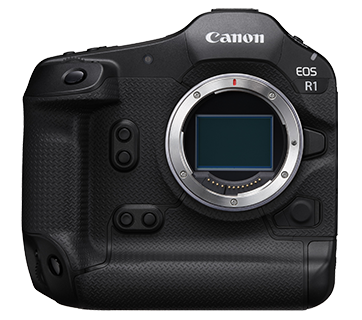
Canon EOS R5 Mark II vs Canon EOS R1
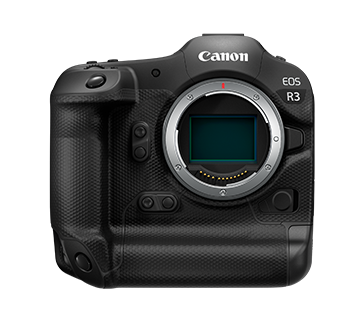
Canon EOS R5 Mark II vs Canon EOS R3
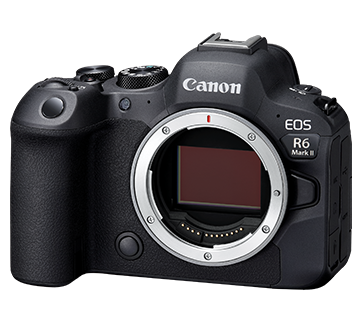
Canon EOS R5 Mark II vs Canon EOS R6 Mark II
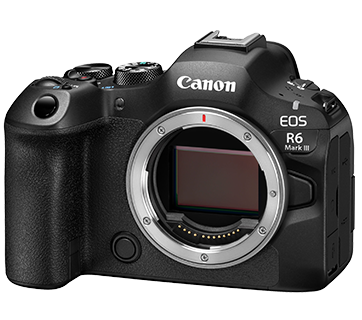
Canon EOS R5 Mark II vs Canon EOS R6 Mark III
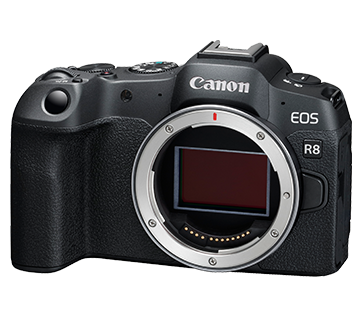
Canon EOS R5 Mark II vs Canon EOS R8
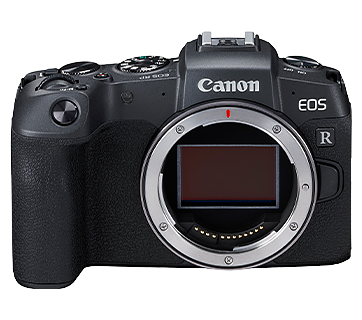
Canon EOS R5 Mark II vs Canon EOS RP
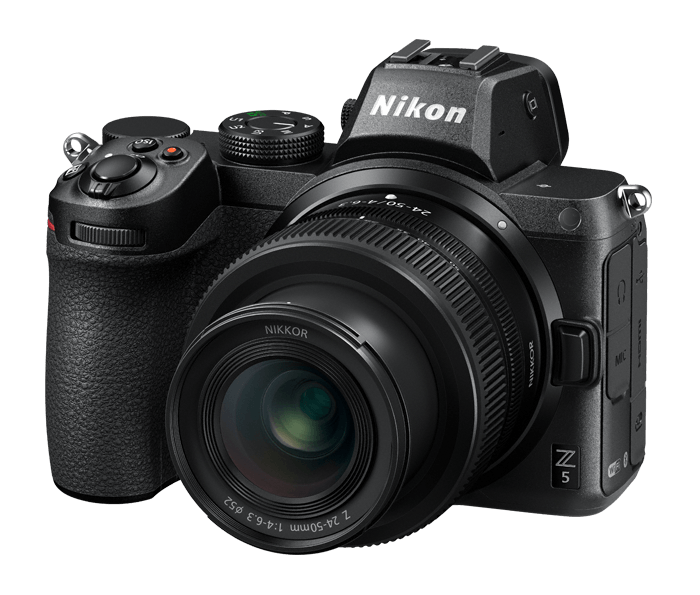
Canon EOS R5 Mark II vs Nikon Z5
Canon EOS R5 Mark II vs Nikon Z5II
Canon EOS R5 Mark II vs Nikon Z6 II
Canon EOS R5 Mark II vs Nikon Z6
Canon EOS R5 Mark II vs Nikon Z6III
Canon EOS R5 Mark II vs Nikon Z7 II
Canon EOS R5 Mark II vs Nikon Z7
Canon EOS R5 Mark II vs Nikon Z8
Canon EOS R5 Mark II vs Nikon Z9
Canon EOS R5 Mark II vs Nikon Zf
Canon EOS R5 Mark II vs Nikon ZR
Canon EOS R5 Mark II vs Panasonic S1 II E
Canon EOS R5 Mark II vs Panasonic S1 II
Canon EOS R5 Mark II vs Panasonic S1R II
Canon EOS R5 Mark II vs Panasonic S9
Canon EOS R5 Mark II vs Sony A1
Canon EOS R5 Mark II vs Sony A7 III
Canon EOS R5 Mark II vs Sony A7 IV
Canon EOS R5 Mark II vs Sony A7C II
Canon EOS R5 Mark II vs Sony A7C
Canon EOS R5 Mark II vs Sony A7R IV
Canon EOS R5 Mark II vs Sony A7R V
Canon EOS R5 Mark II vs Sony A7S III
Canon EOS R5 Mark II vs Sony A9 II
Canon EOS R5 Mark II vs Sony A9 III
Canon EOS R5 Mark II vs Sony ZV-E1
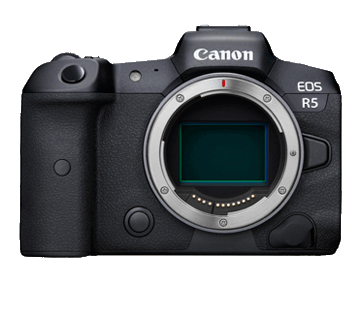
Canon EOS R5 Mark II vs Canon EOS R5
Compatible Lenses
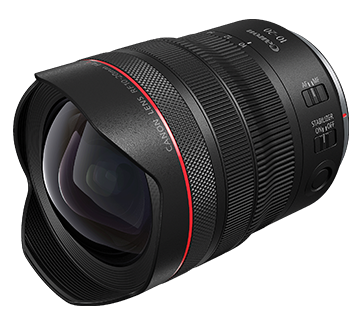
RF 10-20mm f/4L IS STM
lens
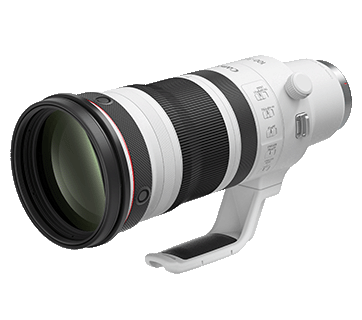
RF 100-300mm f/2.8L IS USM
lens
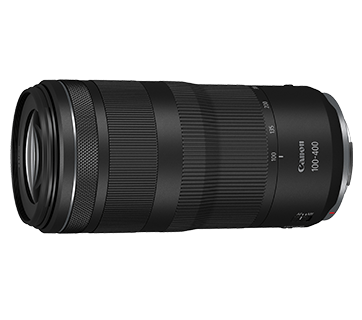
RF 100-400mm f/5.6-8 IS USM
lens
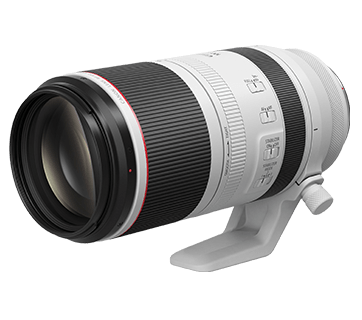
RF 100-500mm f/4.5-7.1L IS USM
lens
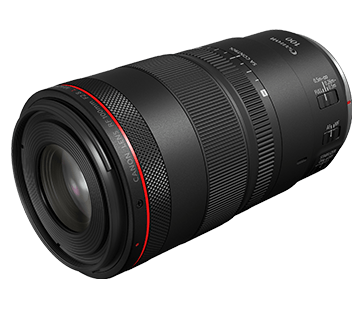
RF 100mm f/2.8L MACRO IS USM
lens
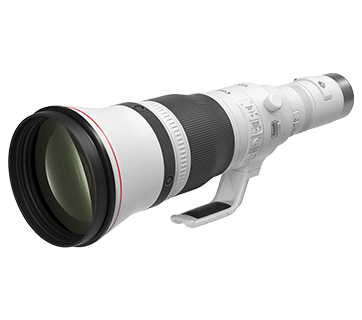
RF 1200mm f/8L IS USM
lens
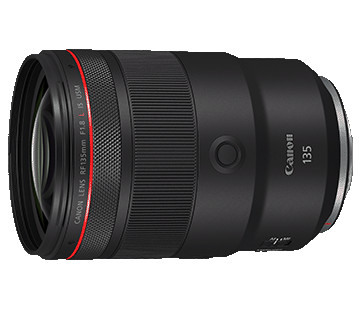
RF 135mm f/1.8L IS USM
lens
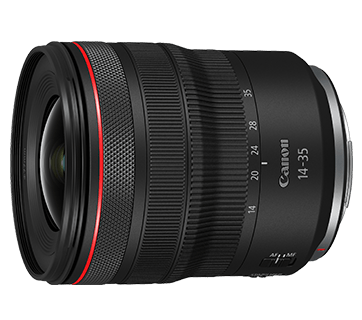
RF 14-35mm f/4L IS USM
lens
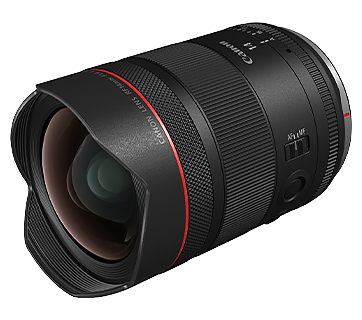
RF 14mm f/1.4L VCM
lens
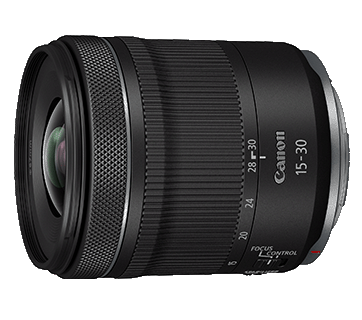
RF 15-30mm f/4.5-6.3 IS STM
lens
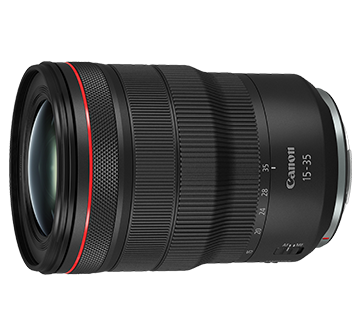
RF 15-35mm f/2.8L IS USM
lens
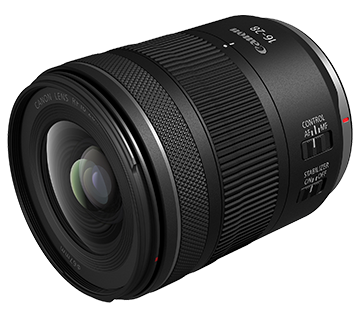
RF 16-28mm f/2.8 IS STM
lens
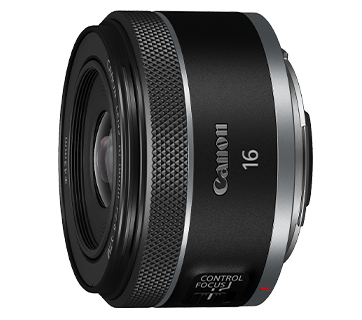
RF 16mm f/2.8 STM
lens
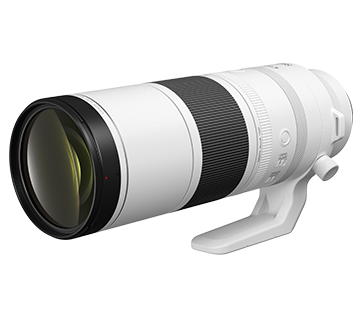
RF 200-800mm f/6.3-9 IS USM
lens
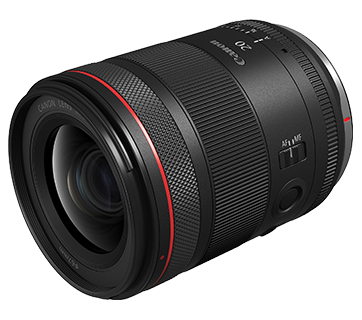
RF 20mm f/1.4L VCM
lens
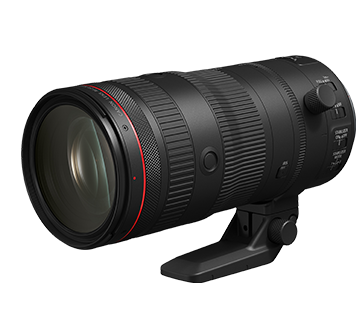
RF 24-105mm f/2.8L IS USM Z
lens
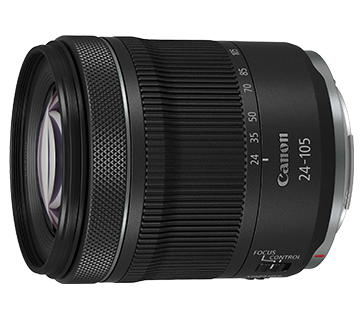
RF 24-105mm f/4-7.1 IS STM
lens
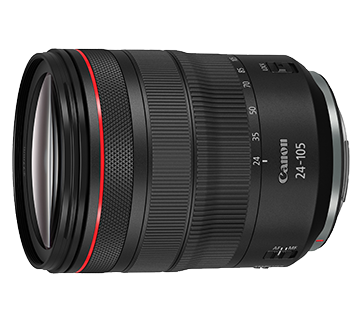
RF 24-105mm f/4L IS USM
lens
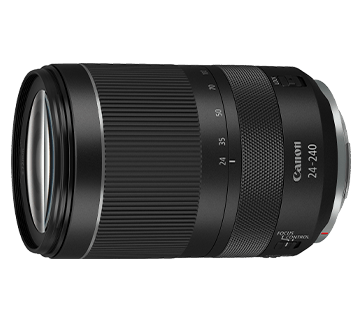
RF 24-240mm f/4-6.3 IS USM
lens
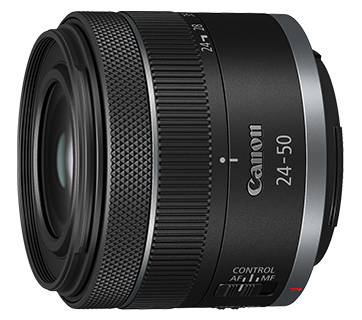
RF 24-50mm f/4.5-6.3 IS STM
lens
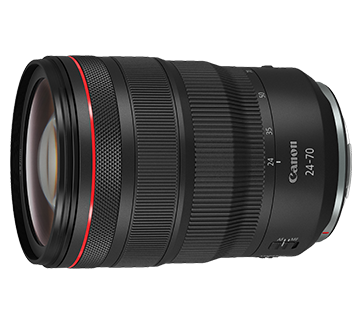
RF 24-70mm f/2.8L IS USM
lens
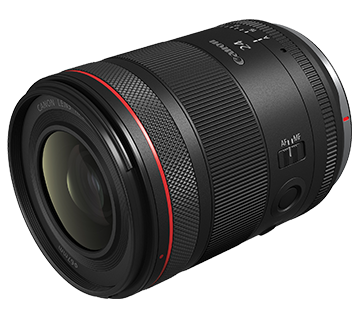
RF 24mm f/1.4L VCM
lens
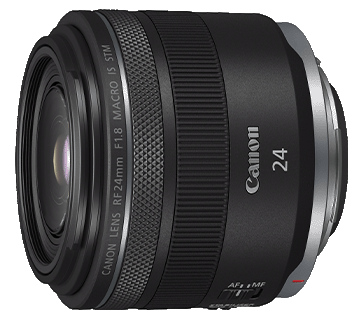
RF 24mm f/1.8 MACRO IS STM
lens

RF 28-70mm f/2.8 IS STM
lens
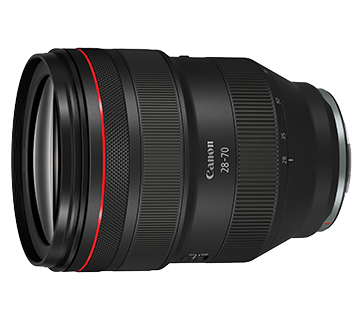
RF 28-70mm f/2L USM
lens
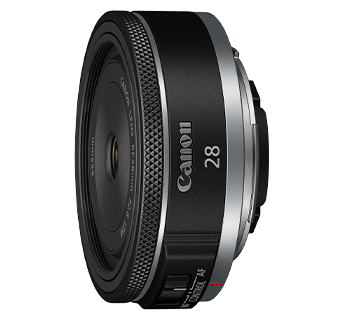
RF 28mm f/2.8 STM
lens

RF 35mm f/1.4L VCM
lens
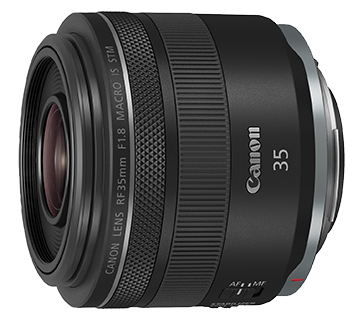
RF 35mm f/1.8 Macro IS STM
lens
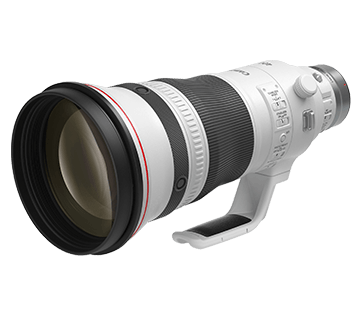
RF 400mm f/2.8L IS USM
lens
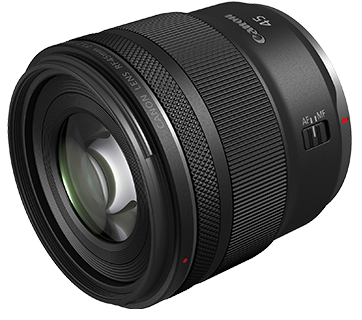
RF 45mm f/1.2 STM
lens
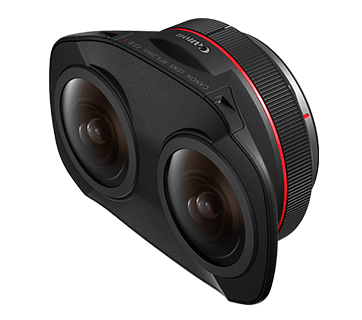
RF 5.2mm f/2.8L Dual Fisheye
lens
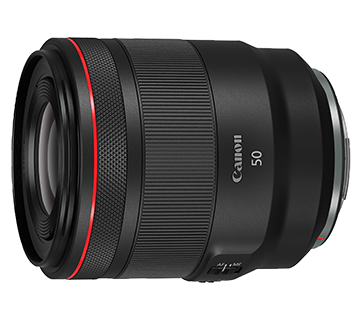
RF 50mm f/1.2L USM
lens
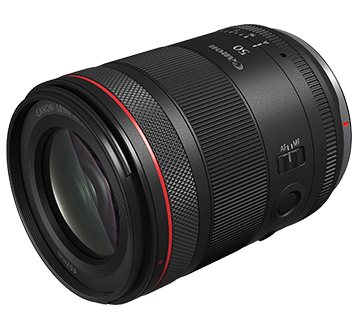
RF 50mm f/1.4L VCM
lens
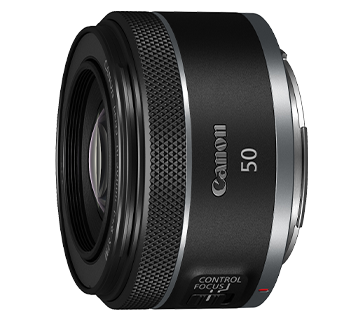
RF 50mm f/1.8 STM
lens
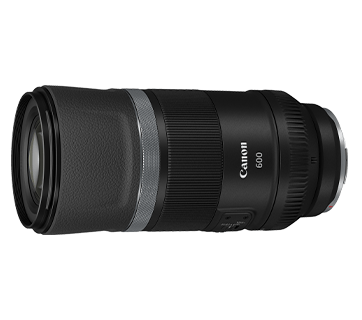
RF 600mm f/11 IS STM
lens
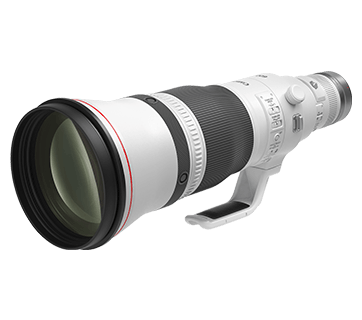
RF 600mm f/4L IS USM
lens
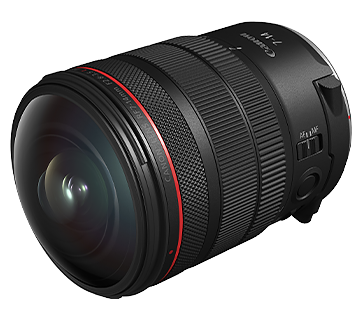
RF 7-14mm f/2.8-3.5L Fisheye STM
lens
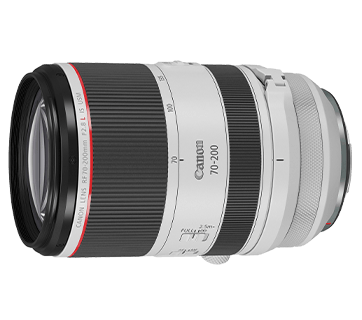
RF 70-200mm f/2.8L IS USM
lens
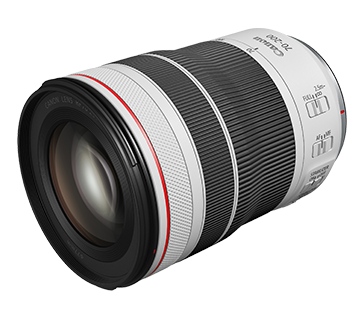
RF 70-200mm f/4L IS USM
lens
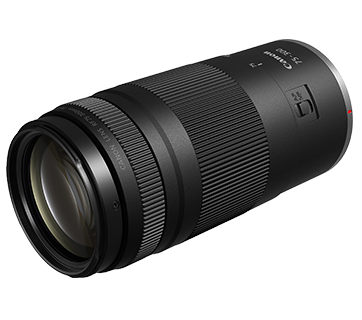
RF 75-300mm f/4-5.6
lens
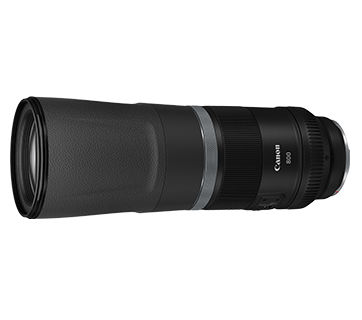
RF 800mm f/11 IS STM
lens
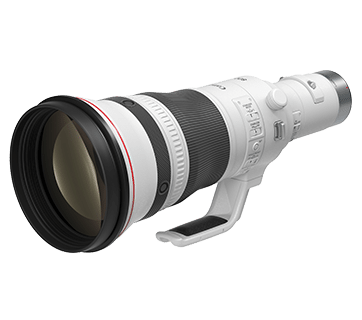
RF 800mm f/5.6L IS USM
lens
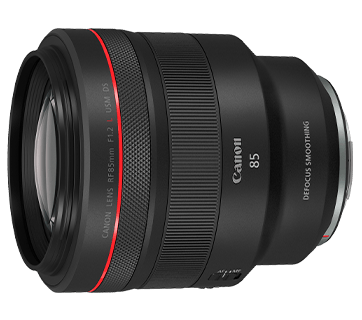
RF 85mm f/1.2L USM DS
lens
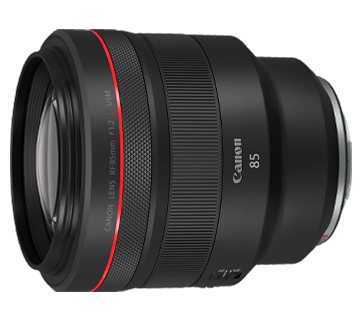
RF 85mm f/1.2L USM
lens
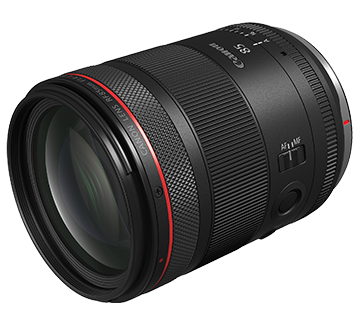
RF 85mm f/1.4L VCM
lens
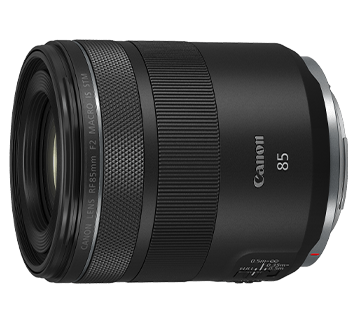
RF 85mm f/2 Macro IS STM
lens
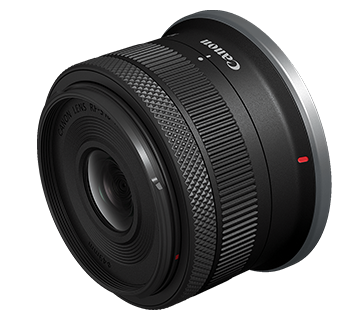
RF-S 10-18mm f/4.5-6.3 IS STM
lens
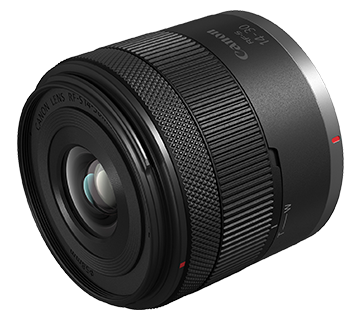
RF-S 14-30mm f/4-6.3 IS STM PZ
lens
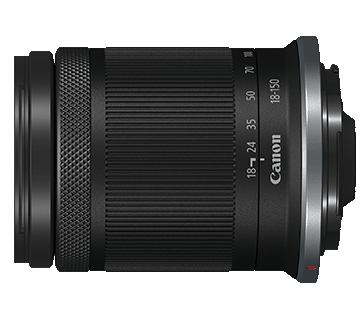
RF-S 18-150mm f/3.5-6.3 IS STM
lens
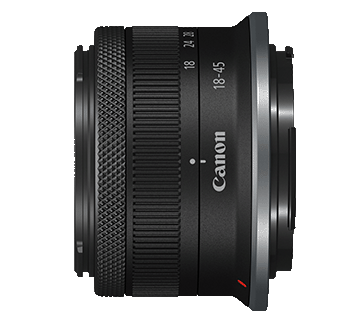
RF-S 18-45mm f/4.5-6.3 IS STM
lens
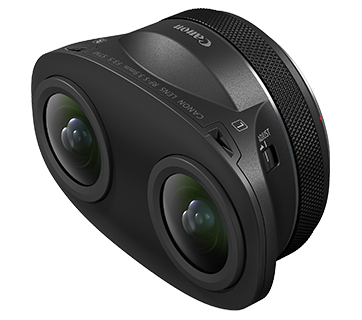
RF-S 3.9mm f/3.5 STM Dual Fisheye
lens
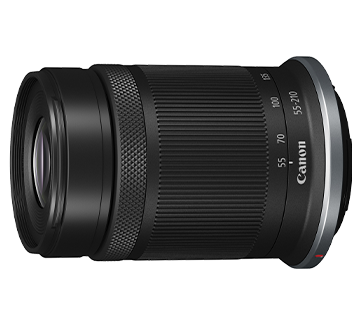
RF-S 55-210mm f/5-7.1 IS STM
lens
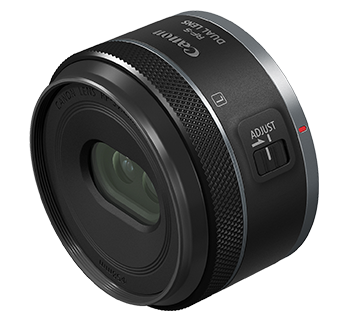
RF-S 7.8mm f/4 STM Dual
lens