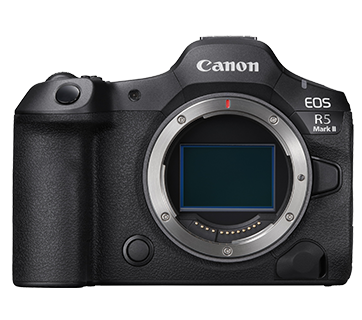
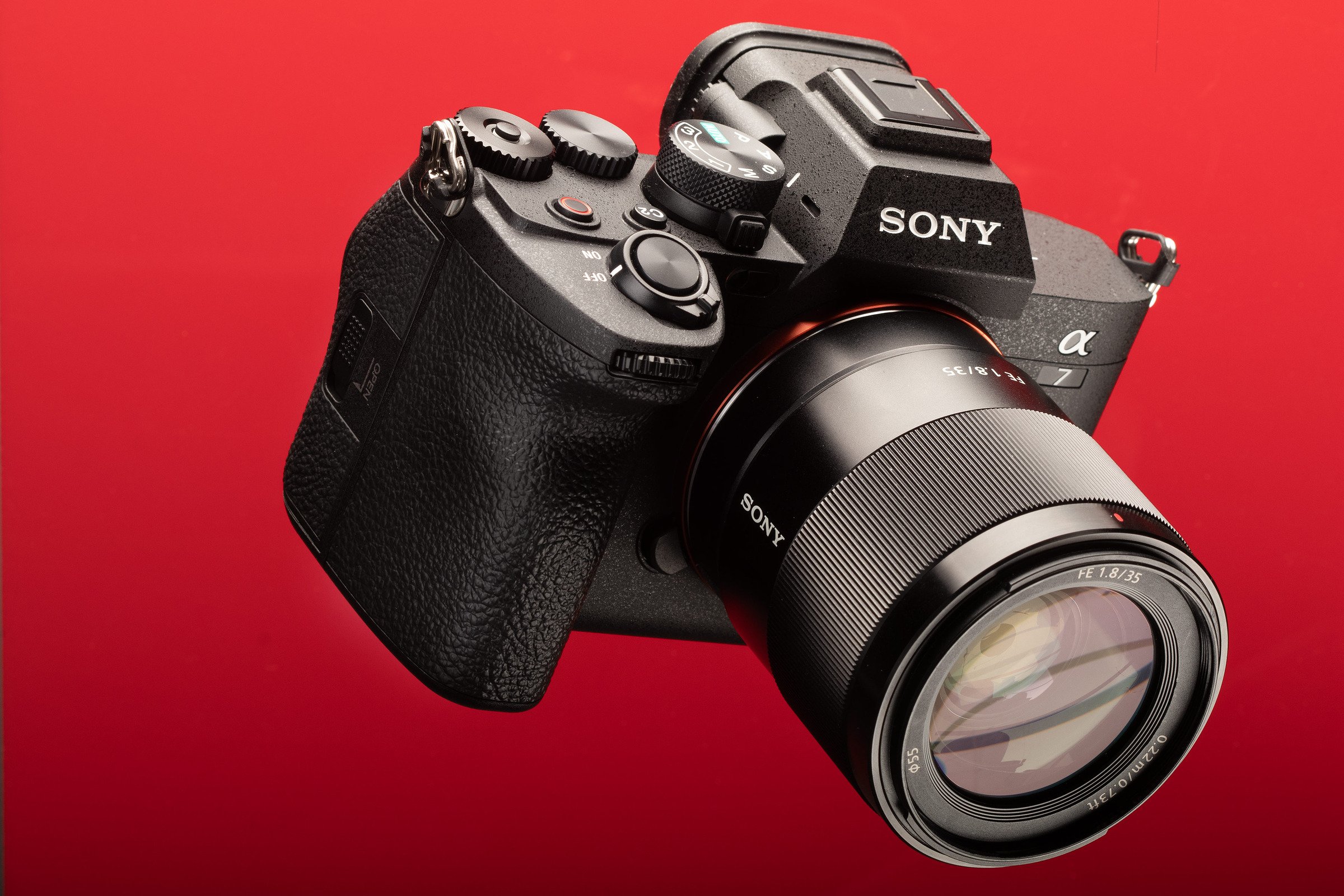
The Canon EOS R5 Mark II and the Sony A7 IV are two of the most compelling full-frame mirrorless cameras on the market, attracting photographers and videographers alike. Each appeals to different user preferences, with the R5 Mark II targeting professionals demanding high resolution and advanced video functionality, while the A7 IV offers a more affordable yet capable package for enthusiasts and semi-professionals. These two models often find themselves compared due to their shared market positioning, advanced feature sets, and strong brand loyalty among users. Key differentiators include sensor resolution, autofocus capabilities, and overall value for money.
Specifications Comparison
Detailed Comparison
Image Quality
The Canon EOS R5 Mark II boasts a 45-megapixel full-frame sensor, providing exceptional detail and dynamic range, making it ideal for landscape, portrait, and high-resolution wildlife photography. The ISO range of 100-51200 offers impressive low-light performance. In contrast, the Sony A7 IV has a lower resolution of 33 megapixels, but it maintains strong performance with an ISO range that can be expanded to 204800, which may appeal to photographers who often shoot in low-light conditions. While both cameras deliver high-quality images, the R5 Mark II's larger resolution might provide a distinct advantage for professional needs including large prints and heavy cropping. Overall, the R5 Mark II clinches this round due to its superior resolution and image detail when capturing in optimal conditions.
Autofocus System
The Canon EOS R5 Mark II utilizes an advanced autofocus system with an impressive 5850 autofocus points, which ensures quick and accurate subject tracking, even in challenging conditions. Canon's Dual Pixel CMOS AF technology is lauded for its efficiency in both stills and video. On the other hand, the Sony A7 IV features a formidable 759 autofocus points that benefit from Real-Time Eye autofocus for humans and animals, delivering reliable performance in various situations. While both cameras excel in their respective autofocus capabilities, the R5 Mark II offers more autofocus points, giving it a slight edge in versatility and tracking speed, particularly useful for fast-moving subjects, hence the preference.
Video Capabilities
The Canon EOS R5 Mark II supports a range of video resolutions and frame rates, including 8K video recording at up to 30 FPS, which caters to high-end video production needs. It provides excellent color depth and professional-grade features such as C-Log. The R5 Mark II also supports 4K video at up to 120 FPS for high frame rate recordings. In comparison, the Sony A7 IV is limited to 4K video at 60p but excels with its 10-bit 4:2:2 internal recording, allowing for more flexible color grading in post-production. For video-centric creators, the higher resolution and frame rate options available on the R5 Mark II make it a standout choice, securing its victory in this category.
Build & Ergonomics
Both the Canon EOS R5 Mark II and Sony A7 IV exhibit robust build quality with weather sealing, allowing for use in various environmental conditions. The R5 Mark II, heavier at 746g, features a more substantial grip that some users may find more comfortable during extended photography sessions. Its dimensions (138 x 98 x 88 mm) provide a solid feel. Conversely, the A7 IV is lighter at 659g and slightly smaller (131 x 96 x 80 mm), making it more portable for travel. Users who prioritize portability may lean towards the A7 IV, while those looking for comfort during prolonged use might prefer the R5 Mark II. This category appears to nullify the distinct advantages of both, leading to a balanced outcome.
Battery & Storage
The Canon EOS R5 Mark II offers a respectable battery life, rated at about 540 shots per charge, which is suitable for a day of shooting. It supports UHS-II SD cards, which provide high-speed data transfer for rapid shooting sessions. On the flip side, the Sony A7 IV boasts a slightly higher battery life at 580 shots, giving it an edge for extensive shoots or travel situations. However, both cameras require high-capacity storage to accommodate their performance metrics, particularly for 4K and 8K video files. While the A7 IV leads slightly in battery life, both cameras ensure photographers are generally covered during longer sessions, leading to a rather inconclusive head-to-head.
Value for Money
When it comes to cost, the Canon EOS R5 Mark II is priced at $4299, which positions it at the higher end of the market, reflecting its advanced capabilities and extensive feature set. Conversely, the Sony A7 IV is considerably more affordable at $2499, making it a more approachable option for enthusiasts and those beginning their full-frame journey. Despite the price disparity, both cameras deliver excellent performance, but the advanced feature set of the R5 Mark II may justify its higher price for professionals and serious videographers. In terms of outright value for money, the A7 IV offers a more competitive package for everyday users, marking it as the winner here.
Our Verdict
Overall, the Canon EOS R5 Mark II stands as the winner due to its superior image quality, advanced autofocus capabilities, and exceptional video performance, making it an obvious choice for professionals who need top-tier features. Conversely, the Sony A7 IV is an excellent option for enthusiasts and semi-professionals who value affordability and a lightweight body, excelling in good image performance, and user-friendly specifications. Ultimately, buyers should carefully weigh their specific needs against their budget to determine the best choice for their photography and videography pursuits.
Canon EOS R5 Mark II
Sony A7 IV
Also Compare
Frequently Asked Questions
Which camera is better for low-light photography?
Both cameras handle low-light conditions well, with the R5 Mark II excelling in resolution and detail, whereas the A7 IV can reach lower ISO values. However, the R5 Mark II's higher resolution may provide a slight advantage in overall image quality.
What is the difference in autofocus technology?
The R5 Mark II features a more extensive autofocus system with 5850 points, while the A7 IV has 759 autofocus points. Both systems offer excellent tracking capabilities, but the R5 Mark II provides more versatility in complex shooting circumstances.
Is the 8K video in the R5 Mark II worthwhile?
Yes, the 8K video capability in the R5 Mark II allows for higher resolution video output, suitable for professional videographers needing the best quality and flexibility in editing.
What about the weight and handling of each camera?
The R5 Mark II is heavier than the A7 IV, providing a more substantial grip, which may appeal to some professional users. The A7 IV is lighter and more compact, making it an excellent choice for travel.
How do the lenses differ for each camera system?
Canon's RF mount has fewer options compared to Sony's E mount, which has a wider variety of lenses available. If lens selection is a significant factor, consider the ecosystems of both brands.