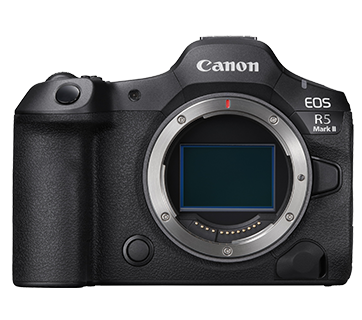
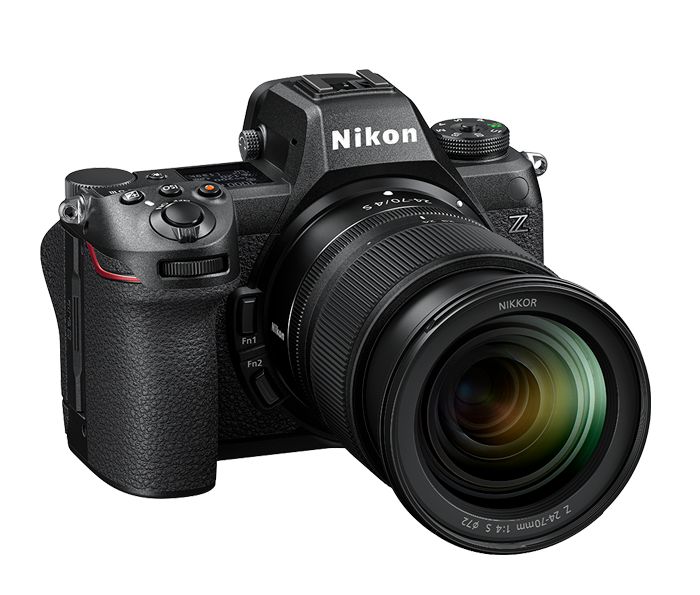
The Canon EOS R5 Mark II and the Nikon Z6III are two of the latest full-frame mirrorless cameras, making them popular choices among professional photographers and serious enthusiasts. Both cameras have been designed to meet the demanding needs of photographers, offering impressive specifications and features. Buyers often find themselves choosing between these two models due to their capabilities in areas like image quality, autofocus, video performance, and overall value. The key differentiators lie in their megapixel counts, autofocus systems, and pricing, each catering to diverse photography styles and budgets.
Specifications Comparison
Detailed Comparison
Image Quality
When it comes to image quality, the Canon EOS R5 Mark II takes the lead with a substantial 45-megapixel full-frame sensor, allowing for incredibly detailed images suitable for large prints or extensive cropping. The high-resolution captures ensure that professional photographers, particularly in fields like landscape or studio photography, have the best possible quality in their images. In contrast, the Nikon Z6III features a lower-resolution 25-megapixel sensor, which still delivers excellent image quality but lacks the extreme detail found in the R5 Mark II. However, the Z6III emphasizes better high-ISO performance, with an ISO range extending to 64000 compared to the R5's 51200, making it a strong contender in low-light environments. Both cameras offer dynamic range and color depth, but the Canon's higher resolution edges out in promotional applications where the detail is paramount.
Autofocus System
The autofocus systems in both cameras are robust, yet the Canon EOS R5 Mark II significantly outperforms the Nikon Z6III in this regard. With an impressive 5850 autofocus points, the R5 Mark II offers advanced tracking capabilities, especially for fast-moving subjects in sports or wildlife photography. This extensive focus point coverage also allows for adaptability in various composition styles. The Nikon Z6III, while having a solid touchscreen interface and 273 autofocus points, does not match the R5's capabilities in terms of speed or tracking accuracy. For photographers who prioritize precise autofocus, particularly in challenging conditions, the R5's superior system will be a significant advantage. Conversely, the Z6III's autofocus is competent but might not satisfy demanding users who require perfection in focus accuracy. Therefore, depending on your shooting style, the difference in autofocus technology is a crucial aspect.
Video Capabilities
Both the Canon EOS R5 Mark II and Nikon Z6III provide excellent video capabilities, but the Canon model offers higher specifications that could be a deciding factor for videographers. The R5 Mark II is capable of shooting 8K video up to 30 fps and features 4K options at higher frame rates with robust bit rates. This makes it suitable for professional video production where quality is paramount. The Z6III, on the other hand, supports 4K video at 60 fps, which is impressive, especially for amateur filmmakers and content creators, although it lacks the 8K capability that Canon boasts. Additionally, the R5's video specs are complemented by features like Canon Log, which enhances color grading and post-production flexibility, while the Z6III offers N-Log but not to the extent of the color science and options provided by Canon. For serious videographers and filmmakers, the R5 Mark II's innovative features and higher resolution may be worth the price.
Build & Ergonomics
Both the Canon EOS R5 Mark II and Nikon Z6III are well-constructed, weather-sealed cameras designed for durability in tough shooting conditions. The Canon model has a slightly more compact design, measuring 138 x 98 x 88 mm and weighing 746 grams, making it a bit easier to handle for extended periods. Conversely, the Z6III is slightly bulkier at 139 x 102 x 74 mm and weighs 760 grams, which could be a consideration for photographers who prioritize portability. In terms of ergonomics, both cameras feature comfortable grips and well-placed controls; however, the customization options in Canon's interface offer a more intuitive experience for frequently used settings. The Z6III does come with a horizontal grip that can support additional battery life for extended shoots but compensates for it with weight. Overall, while both are excellent, Canon has a slight edge in ergonomics and lightweight design.
Battery & Storage
Battery life is crucial for any photographer or videographer, and here the R5 Mark II again takes the lead with 540 shots per battery charge, compared to the Z6III's 380 shots. Although battery life can vary based on settings and usage, the Canon's extended longevity allows for longer shooting sessions without the need for frequent recharging or extra batteries. When it comes to storage, both cameras utilize dual card slots, significantly enhancing workflow for professional users who need redundancy in their file saving and storage solutions. The R5 Mark II supports the CFexpress card for high-speed transfers, while the Z6III supports XQD and CFexpress Type B cards, letting videographers and photographers alike benefit from high-capacity storage. Overall, the R5 Mark II's superior battery endurance is a significant advantage especially for those doing lengthy shoots.
Value for Money
The pricing structure shows a notable difference: the Canon EOS R5 Mark II comes in at $4299, whereas the Nikon Z6III is priced at $2500, making it a much more accessible option for beginners or photographers looking for fantastic features without breaking the bank. While the R5 Mark II provides high-end specifications that may justify its price for professionals, those who are entering the full-frame market or on a budget might find the Z6III a more compelling option with solid performance for the price. The lower price point for the Z6III could allow for investment in lenses or accessories, which is essential for new users building a kit. Conversely, the R5's steep investment can yield long-term value for those in professional settings requiring advanced features. In summary, for pure value for money, the Nikon offers a favorable proposition.
Our Verdict
Overall, the Canon EOS R5 Mark II emerges as the champion in this comparison, primarily due to its superior image quality, autofocus system, video capabilities, and extended battery life. However, the Nikon Z6III holds its ground as a strong contender, especially for those on a budget who still want a full-frame camera equipped with excellent features for various photography genres. Canon's R5 Mark II is ideal for professionals who need top-tier performance and are willing to invest, while the Z6III serves well for enthusiasts looking for versatility without the premium price tag.
Canon EOS R5 Mark II
Nikon Z6III
Also Compare
Frequently Asked Questions
Which camera is better for low light photography?
The Nikon Z6III excels in low light situations due to its higher ISO range, reaching up to 64000, making it a great choice for nighttime or dimly lit environments.
Is the Canon EOS R5 Mark II worth its higher price?
If you require the highest resolution, best autofocus performance, and advanced video capabilities, then the R5 Mark II's higher price can be justified for professional use.
Can both cameras shoot 4K video?
Yes, both cameras can shoot in 4K, but the Canon EOS R5 Mark II also offers 8K video recording, making it more versatile for video production.
How important is battery life for these cameras?
Battery life varies between models, with the R5 Mark II providing 540 shots per charge compared to 380 from the Z6III, making the R5 a better option for long shooting sessions without frequent changing.
What about lens compatibility?
Both Canon RF and Nikon Z mounts have growing lens ecosystems. However, Canon offers a wider range of native lenses as of now, which may be advantageous for users looking to expand their collection.