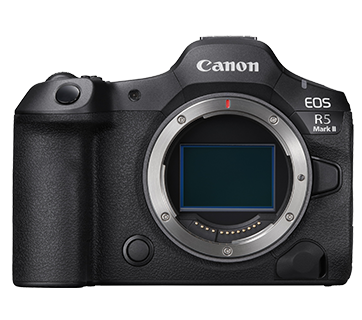
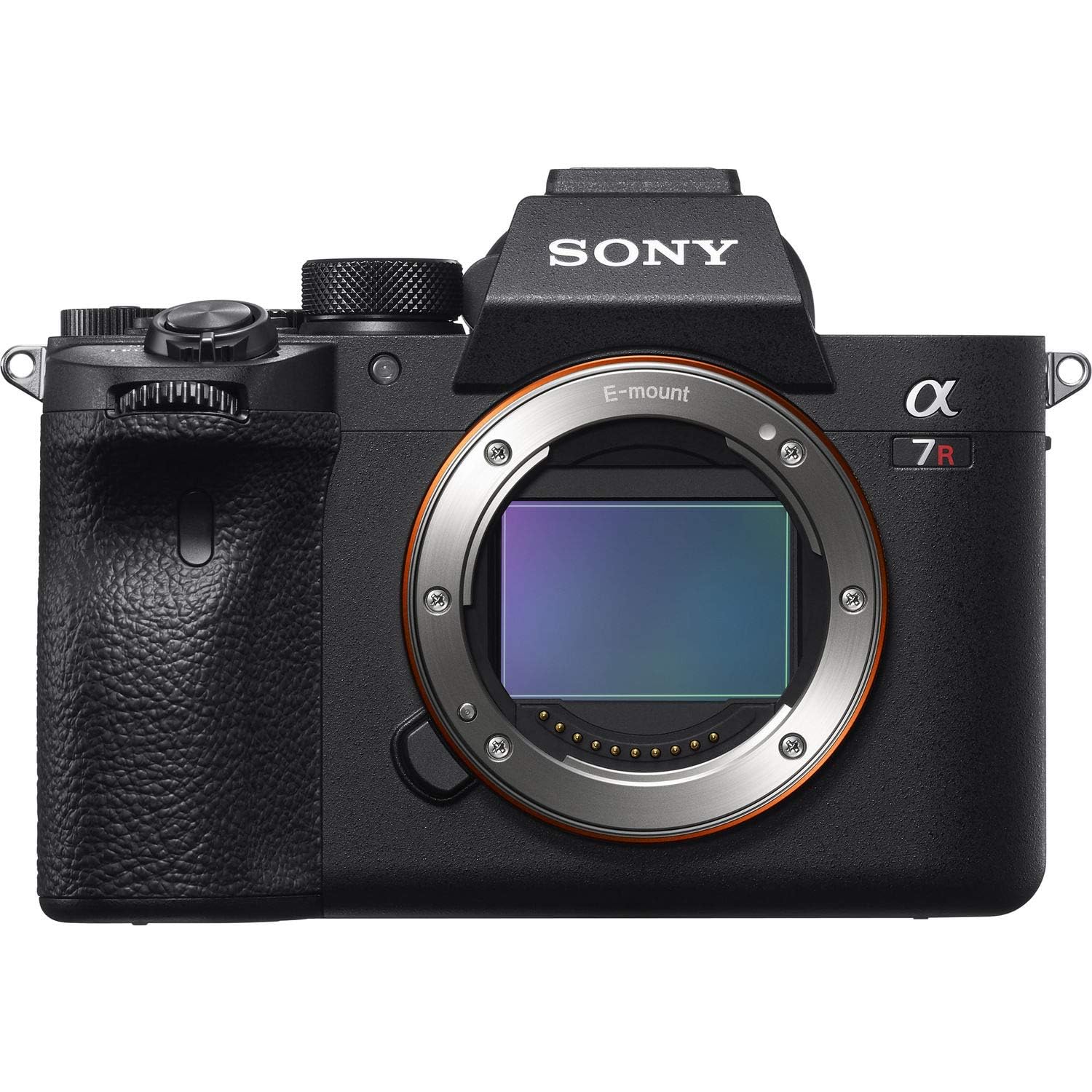
In the world of high-end photography, the Canon EOS R5 Mark II and the Sony A7R IV are two standout full-frame mirrorless cameras that are frequently compared by professionals and enthusiasts alike. Both cameras deliver exceptional image quality, advanced autofocus systems, and robust video capabilities, making them appealing choices for photographers across multiple genres, including portrait, landscape, and wildlife photography. The key differentiators lie in their specifications and how they cater to different user preferences, such as the need for higher resolution, superior autofocus performance, or video features.
Specifications Comparison
Detailed Comparison
Image Quality
When comparing image quality, the Sony A7R IV leads with a higher resolution of 61 megapixels compared to the Canon EOS R5 Mark II's 45 megapixels. This gives the A7R IV a slight edge in producing ultra-detailed images, beneficial for large prints or extensive cropping. However, the EOS R5 Mark II still offers impressive image quality, particularly with its robust performance in low-light situations thanks to its wider ISO range of 100-51200, compared to the A7R IV's native range of 100-32000 (expanding to 50-102800). The Canon's sensor is designed to manage noise effectively, offering great flexibility for photographers working in challenging lighting conditions. Additionally, Canon's color science provides vibrant and pleasing skin tones, which could be a deciding factor for portrait work.
Autofocus System
The autofocus systems of both cameras excel but differ significantly in specifications and performance. The Canon EOS R5 Mark II boasts an impressive 5850 autofocus points, providing extensive coverage and precise tracking on moving subjects, ideal for fast-paced shooting environments, such as wildlife or sports photography. In contrast, the Sony A7R IV offers 567 autofocus points, which are still robust but lack the same breadth as Canon's offering. Canon has also included advanced AI-based subject detection, providing superior subject tracking capabilities on the EOS R5 Mark II. However, the A7R IV's autofocus performance is nothing to scoff at; it performs admirably even under low light, which is essential for certain shooting scenarios. While both systems are highly capable, the additional autofocus points and tracking features give the Canon a more performance-oriented edge in practical situations.
Video Capabilities
The Canon EOS R5 Mark II is a powerhouse for videographers, featuring 8K video recording capabilities, while the Sony A7R IV tops out at 4K 30p. The EOS R5 Mark II also supports 4K video at higher frame rates and includes advanced video features, such as Canon Log for greater dynamic range and flexibility in post-production. This makes it particularly appealing for professionals working in video or creating high-quality content for platforms requiring extensive detail and flexibility. On the other hand, the A7R IV's 4K video quality is solid, but its limitations in resolution and frame rate may dissuade those who are looking for the latest cutting-edge video technology.
Build & Ergonomics
Both cameras are weather-sealed, suitable for outdoor conditions, which enhances durability and reliability in challenging environments. The Canon EOS R5 Mark II weighs slightly more at 746 g compared to the A7R IV's 665 g, which may be a consideration for photographers looking for a lightweight option for long shooting days. Ergonomically, both cameras feature comfortable grips and user-friendly layouts. However, some users note that Canon's interface is slightly more intuitive and tailored for ease of use, particularly for those new to mirrorless systems. The relatively larger dimensions of the EOS R5 Mark II may provide a better grip for larger hands, while the Sony A7R IV is more compact, potentially benefitting travel and portability.
Battery & Storage
When examining battery life, the Sony A7R IV has a small advantage, offering up to 670 shots on a single charge compared to the Canon EOS R5 Mark II's 540 shots. This difference could be crucial for long shoots without opportunities to swap batteries. Both cameras utilize dual card slots for storage, important for those needing redundancy or working with large files. The A7R IV supports CFexpress Type A and SD cards, while the EOS R5 Mark II is compatible with CFexpress Type B and SD cards, which is advantageous for high-speed continuous shooting and video recording without buffering. Overall, while both cameras are well-equipped, the better battery life of the A7R IV and the flexibility in storage options make it a more practical choice for extensive shooting scenarios.
Value for Money
The Canon EOS R5 Mark II is priced at $4299, positioning it at the higher end of the market, reflective of its advanced features, superior autofocus, and video capabilities. In contrast, the Sony A7R IV retails for $3500, offering significant value especially considering its higher resolution, quality build, and respectable autofocus. Buyers must weigh the price against their usage needs; if high-resolution stills and extensive battery life are a higher priority, the A7R IV may present better overall value. However, the advanced features of the R5 Mark II, particularly in video, could justify its premium price tag for professionals who need those capabilities. Overall, the value proposition heavily depends on specific user requirements and the extent to which they utilize the advanced features each camera offers.
Lens Ecosystem
Lens availability and compatibility may heavily influence purchasing decisions between these two brands. Canon's RF lens ecosystem is continuously expanding with high-quality lenses specifically designed to take advantage of the R5 Mark II's capabilities. However, the RF lens lineup is still younger than Sony's E-mount offerings, which boast a wider array of third-party lenses and a greater selection of specialty optics. This established lens ecosystem for Sony can provide more choices for photographers and videographers looking for specific lenses to suit particular creative needs. While Canon is quickly building a strong lineup, the current offerings from Sony still provide a more extensive range of options that are ready to serve the diverse needs of professionals.
Our Verdict
The comparison between the Canon EOS R5 Mark II and the Sony A7R IV ultimately results in a tie due to their respective strengths catering to different segments of user needs. For videographers and those requiring advanced autofocus features, the R5 Mark II stands out as the superior option. Conversely, the A7R IV excels in image resolution, battery life, and lens availability at a more attractive price point. Photographers focused on high-resolution stills may prefer the A7R IV, while those seeking a complete video-capable hybrid system would lean towards the R5 Mark II.
Canon EOS R5 Mark II
Sony A7R IV
Also Compare
Frequently Asked Questions
Which camera is better for video recording?
The Canon EOS R5 Mark II is superior for video recording with its 8K capabilities and advanced features like Canon Log. The Sony A7R IV, while good for 4K video, does not match the R5's video specifications.
How do the autofocus systems compare?
The Canon EOS R5 Mark II has a significant advantage with 5850 autofocus points, providing better tracking and subject detection compared to the 567 points of the Sony A7R IV.
Which camera has better image quality?
The Sony A7R IV has a higher resolution of 61 megapixels, leading to more detailed images. However, the Canon EOS R5 Mark II also provides excellent low-light performance and color rendition.
Is battery life significantly different between the two?
Yes, the Sony A7R IV offers a battery life of 670 shots, slightly better than the Canon EOS R5 Mark II's 540 shots. This can be crucial for long shooting sessions without recharging.
Which camera is more user-friendly for beginners?
Many users find the Canon EOS R5 Mark II's interface to be slightly more intuitive, making it a better choice for beginners. However, both cameras come with extensive features that may require a learning curve.