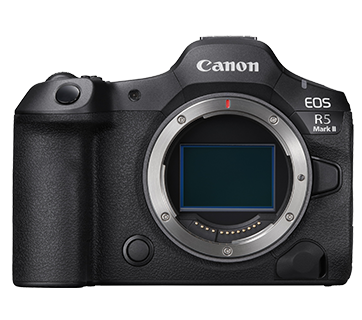
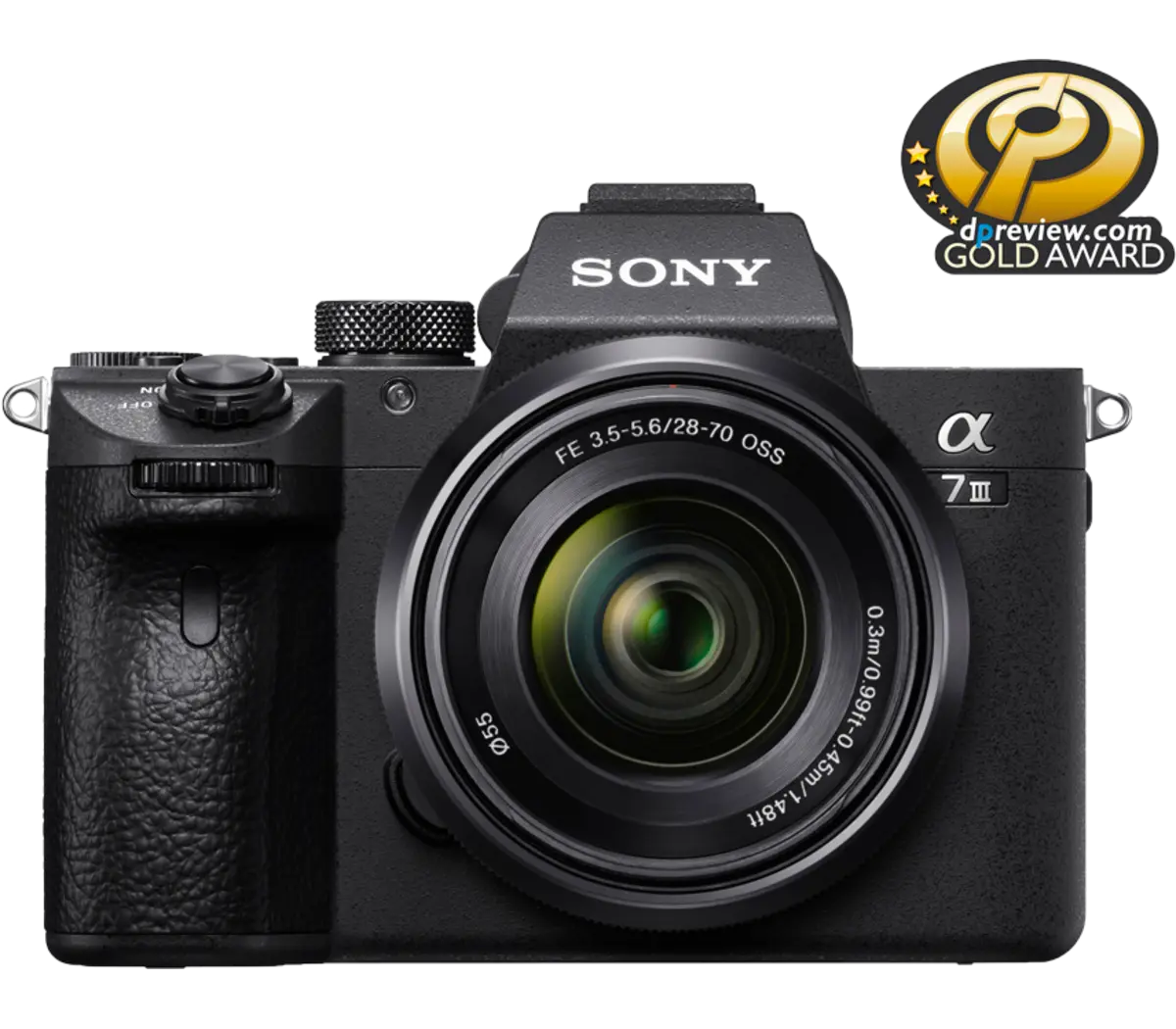
The Canon EOS R5 Mark II and Sony A7 III are two of the most sought-after full-frame mirrorless cameras on the market, appealing to a wide range of photographers and videographers. Canon enthusiasts might lean towards the EOS R5 Mark II for its impressive resolution and advanced features, while those familiar with Sony's ecosystem might prefer the A7 III for its proven performance and excellent value. Both cameras are often compared for their capabilities in various aspects, notably image quality, autofocus, and video features, providing users with distinct benefits depending on their photographic style and needs.
Specifications Comparison
Detailed Comparison
Image Quality
When it comes to image quality, the Canon EOS R5 Mark II clearly stands out. With a 45-megapixel sensor, it provides exceptional detail and dynamic range, making it an ideal choice for professionals focusing on high-resolution work such as landscapes or large prints. The option to set an ISO range up to 51,200 further enhances its low-light performance. In contrast, the Sony A7 III, while equipped with a capable 24-megapixel sensor, provides good image quality, but lacks the same level of detail which can be critical for high-resolution tasks. Both cameras have a maximum ISO ceiling, but the Canon's additional megapixels give it the edge in image quality, especially when cropping is involved.
Autofocus System
The autofocus systems in both cameras are impressive but cater to slightly different needs. The Canon EOS R5 Mark II features a staggering 5,850 autofocus points, which provide highly precise focusing even in complex scenes. Its autofocus system is particularly strong in tracking moving subjects, making it a great choice for action photography. Conversely, the Sony A7 III sports 693 autofocus points, which are also well-regarded but fall short in number compared to Canon's offering. In practical terms, both cameras perform admirably, but the R5 Mark II's advanced capabilities and more abundant points offer a significant advantage for fast-paced shooting scenarios.
Video Capabilities
For videographers, the Canon EOS R5 Mark II presents a compelling option with its ability to record 8K video at 30fps, alongside 4K recording capabilities that reach up to 120fps. Such specifications allow filmmakers the freedom to create professional-grade footage and derive extensive creative options from their shoots. In contrast, the Sony A7 III offers 4K video at 30p with standard features but doesn't support 8K, which might limit those seeking to capture high-resolution video. While the A7 III can handle video well and offers excellent color science, the R5 Mark II is undoubtedly the superior choice for intensive video work due to its higher resolution and frame rate options.
Build & Ergonomics
Both cameras are built robustly and feature weather-sealing, which makes them reliable for outdoor and demanding shooting conditions. The Canon EOS R5 Mark II is slightly larger and heavier than the A7 III, weighing in at 746g compared to 650g of the Sony. This bulk could be a consideration for photographers looking for a lightweight kit. In terms of ergonomics, both models feature electronic viewfinders and tilting screens, but the R5's screen provides higher resolution and a larger size, improving the user experience. Ultimately, while both models are comfortable to use, the Canon may be preferred for its substantial build and better screen.
Battery & Storage
In terms of battery performance, the Sony A7 III excels with a noteworthy battery life of approximately 710 shots per charge, allowing for extended shooting sessions without frequent changes. The Canon EOS R5 Mark II, on the other hand, offers around 540 shots, which, although respectable, doesn't quite match the duration of the A7 III. However, storage solutions differ, as both cameras support dual card slots. The R5 Mark II's need for faster storage for its higher resolution files may be more demanding. Buyers who prioritize longer shooting sessions might favor the A7 III for its superior battery longevity.
Value for Money
The price difference between these two cameras is significant, with the Canon EOS R5 Mark II retailing at approximately $4,299 compared to the Sony A7 III's more approachable $2,000. While the R5 Mark II offers cutting-edge features and superior image quality, the A7 III is regarded as an exceptional value for early enthusiasts, offering a balance of performance and affordability. For hobbyists or budget-conscious users, the A7 III provides ample capabilities without the hefty price tag, making it the preferable option for those not needing the top-tier features of the R5 Mark II.
Lens Ecosystem
When considering the lens ecosystem, both Canon and Sony have invested heavily, establishing an extensive range of lenses for their respective mounts. The Canon RF mount for the EOS R5 Mark II offers a growing selection of high-quality glass that shines with the camera's advanced technology. Similarly, the Sony E mount boasts a wide variety of lenses, allowing for flexibility and creativity in shooting. While the R5 Mark II benefits from newer lens designs, the A7 III stands strong with its established and versatile lens lineup. Ultimately, users invested in either brand will find plenty of options, making this aspect a tie.
Our Verdict
Overall, the Canon EOS R5 Mark II outshines the Sony A7 III in several key areas including image quality, autofocus, and video capabilities, making it the choice for professionals and serious enthusiasts who require top performance. However, the Sony A7 III offers significant value, especially for those on a budget or not requiring the highest specifications. The A7 III is an excellent gateway to full-frame photography, while the R5 Mark II caters to those needing advanced features and quality.