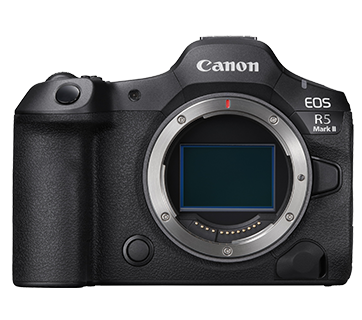
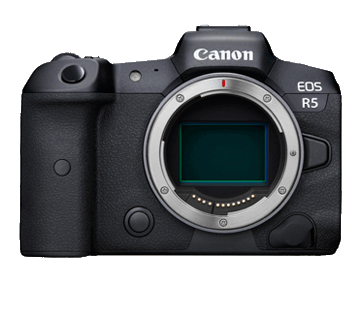
The Canon EOS R5 Mark II and the Canon EOS R5 are both high-performance full-frame mirrorless cameras from Canon renowned for their incredible image quality and advanced features. Photographers and videographers alike might find themselves comparing these two models as they explore options for high-resolution shooting, video capabilities, and overall functionality. While both cameras share a 45-megapixel sensor, a full-frame design, and a robust RF mount, key differentiators such as autofocus capabilities, frame rates, stabilization, and battery life may influence the decision-making process for potential buyers. Understanding these specifications is essential for those looking to invest in a camera that meets their specific needs-be it for professional photography, videography, or hobbyist use.
Specifications Comparison
Detailed Comparison
Image Quality
Both the Canon EOS R5 and EOS R5 Mark II boast a 45-megapixel full-frame sensor that delivers stunning image quality. They are equipped to shoot in an ISO range that spans from 100 to 51,200, allowing for clear images in various lighting conditions. However, the R5 has a slightly extended ISO capability, reaching up to 102,400, potentially offering better performance in extreme low-light situations. Despite this, both models deliver exceptional dynamic range and detail, making them ideal for landscape, portrait, and high-resolution work.
The R5 Mark II further enhances the R5's existing strengths with improved noise reduction, thanks to firmware optimizations. This allows photographers to push the camera's limits under challenging conditions while maintaining image integrity. However, the difference in ISO performance may not be significant for most users, especially since neither is geared toward extreme low-light environments compared to other systems.
Overall, while both cameras offer incredible image quality suitable for most applications, the slight advantage in low-light performance of the R5 may tip the scale in its favor for specific users focused on that aspect.
Autofocus System
The autofocus systems of the Canon EOS R5 Mark II and R5 are highly advanced, but there are notable differences between them. The R5 Mark II features a staggering 5,850 autofocus points, allowing for incredibly precise focusing across the frame. In contrast, the R5's system includes 1,053 autofocus points, which while still impressive, is comparatively fewer. This provides a wider coverage in the R5 Mark II, facilitating more accurate subject tracking and a better focus acquisition in fast-moving scenarios.
Both cameras utilize Canon's Dual Pixel AF technology, ensuring fast and reliable autofocus performance, but the enhanced point coverage of the Mark II brings a distinct advantage when shooting in dynamic environments or capturing wildlife. Users who frequently engage in action photography are likely to appreciate the Mark II's improvements in this area.
Ultimately, while both cameras are capable performers, the advanced autofocus system of the Canon EOS R5 Mark II slightly crowns it as the more versatile choice for active shooting scenarios.
Video Capabilities
Both the Canon EOS R5 and R5 Mark II excel in video production with their robust capabilities. The R5 Mark II can shoot at 30 frames per second, offering higher frame rates than the R5, which is limited to a maximum of 20 fps. This not only enhances capturing fast-moving subjects but also opens doors for creative options such as high-speed and cinematic captures.
While the R5 supports 4K video at 120p, the R5 Mark II offers improved video recording with better heat management, allowing for longer shoot durations without overheating issues. This is a significant upgrade for videographers who are looking for long-session shooting without the potential interruptions faced in the original R5.
In conclusion, while both cameras deliver professional-quality video, the enhancements in frame rates and thermal performance make the Canon EOS R5 Mark II the clear front-runner for videographers seeking versatility and reliability in their recording sessions.
Build & Ergonomics
Both Canon EOS models have an identical design, measuring 138 x 98 x 88 mm, and weighing slightly more on the Mark II at 746 g compared to the R5's 738 g. Both are constructed with weather-sealed bodies, protecting them against the elements, making them suitable for outdoor and rugged shooting conditions. The grip design, button layout, and general ergonomics are also consistent across both models, allowing users to transition between them with little difficulty.
Additionally, both models sport a vibrant 3.2-inch touchscreen display with 2.1 million dots, offering flexibility for composing shots from various angles. The user interface has also seen minor enhancements with the R5 Mark II, which may deliver a more intuitive experience especially for those coming from previous models.
Given their similarities, users looking for comfort and build quality will find either camera meets high standards, so in this aspect, the decision may come down more to personal preference than performance.
Battery & Storage
One of the more significant upgrades in the Canon EOS R5 Mark II is its battery life, boasting about 540 shots compared to the R5's 320 shots per charge. This improvement means that the R5 Mark II is better suited for long shoots or extensive outdoor sessions where recharging may not be practical.
Both cameras utilize the same LP-E6NH battery type, however, the R5 Mark II's enhancements in power management make it more efficient in performance. For professional users who engage in prolonged photography sessions, this difference can be crucial, reducing the number of times one needs to change batteries.
When it comes to storage, both models support CFexpress Type B and SD UHS-II cards, offering faster data transfer rates necessary for high-burst photography and video recording. Hence, while both can handle high-capacity workloads, the R5 Mark II shines brighter in battery performance, giving it an advantage for intensive shooting.
Value for Money
The Canon EOS R5 sports a lower price point of $3,899 compared to the R5 Mark II's $4,299. For budget-conscious photographers or enthusiasts, the R5 still presents an exceptional combination of features, including a high-resolution sensor and proficient video capabilities at a more accessible price.
However, the R5 Mark II's improvements across several key areas-such as autofocus, video performance, and battery life-may justify the higher price for professionals or serious enthusiasts who require the latest technology for their work. Those who prioritize enhanced autofocus performance and extended battery life might find the additional investment worthwhile.
In light of these factors, for those seeking advanced performance without demanding the latest upgrades, the original R5 remains a solid contender, whereas the R5 Mark II is geared more towards users who need the very best without compromise.
Our Verdict
Overall, while the Canon EOS R5 remains an outstanding camera, especially price-wise, the enhancements found in the Canon EOS R5 Mark II solidify its status as the superior choice for those in need of advanced autofocus, video capabilities, and extended battery life. The R5 Mark II is particularly well-suited for videographers and those who frequently photograph fast-moving subjects, while the R5 stands as an excellent option for enthusiasts who value exceptional image quality without needing the absolute latest features. Ultimately, both cameras are commendable, but the R5 Mark II offers broader versatility for modern imaging needs.
Canon EOS R5 Mark II
Canon EOS R5
Also Compare
Frequently Asked Questions
What are the main differences in autofocus performance between the R5 and R5 Mark II?
The R5 Mark II features 5,850 autofocus points compared to the R5's 1,053, allowing for wider coverage and more precise focusing, especially in fast-moving scenarios.
How does battery life differ between the two models?
The R5 Mark II provides a significantly longer battery life at approximately 540 shots, while the R5 offers around 320 shots per charge, making the Mark II more suitable for extended shooting sessions.
Is the video performance better in the R5 Mark II?
Yes, the R5 Mark II supports shooting at 30 fps, a higher frame rate than the R5, which maxes out at 20 fps. Additionally, the Mark II has improved heat management for prolonged video recording.
Which camera is better for low-light photography?
While both offer excellent low-light performance, the R5 can push the ISO up to 102,400, slightly bettering performance under extreme low-light conditions compared to the R5 Mark II.
Considering price, which model is the better value?
The Canon EOS R5 is more affordable at $3,899, making it a better choice for budget-conscious photographers. However, the R5 Mark II justifies its higher price with improved specifications and performance for professionals.