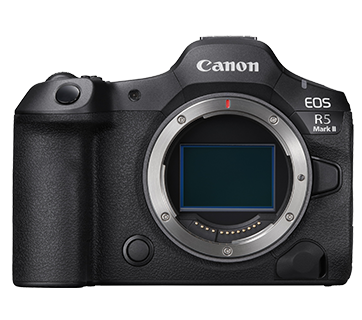
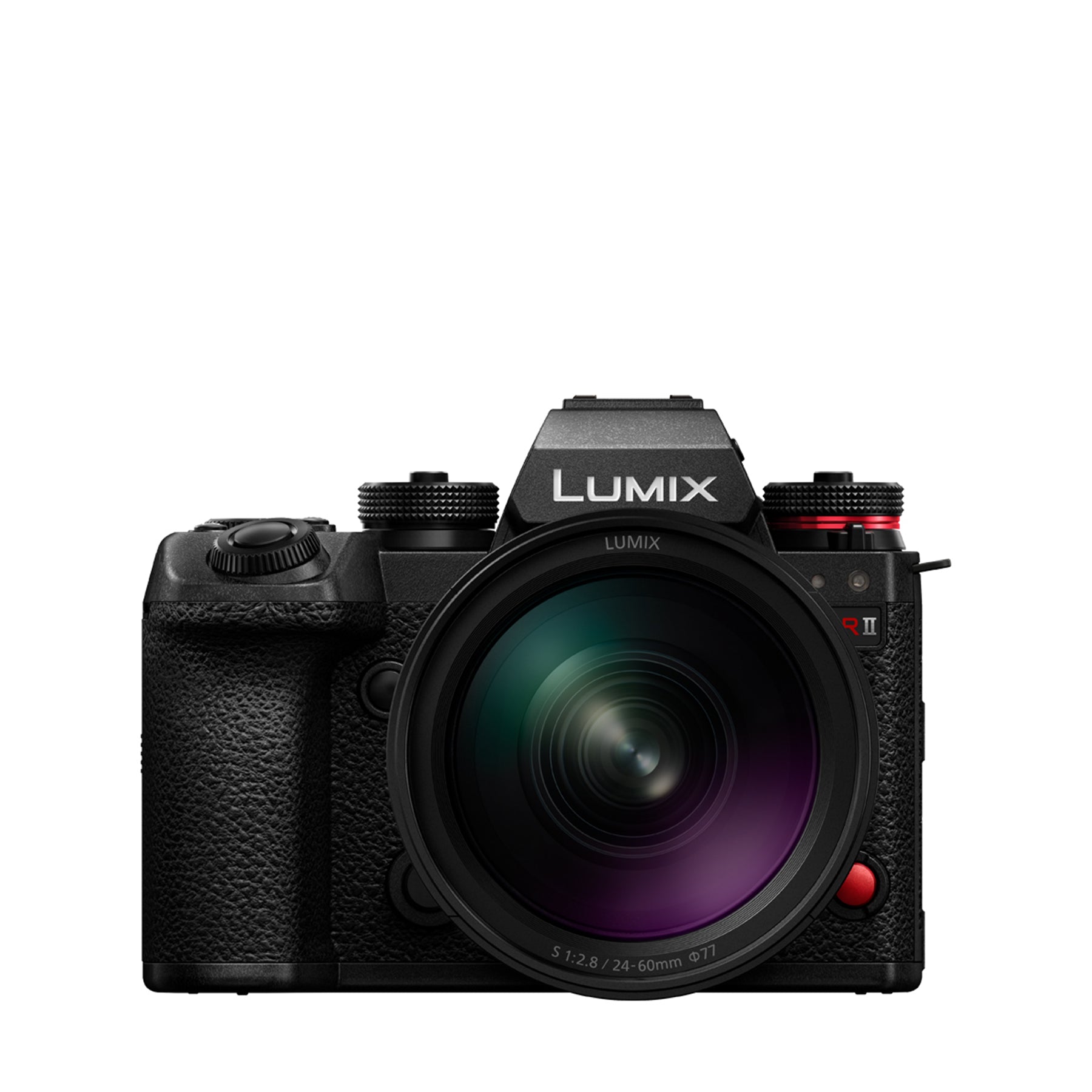
The Canon EOS R5 Mark II and the Panasonic S1R II are two high-end full-frame mirrorless cameras that are frequently compared due to their exceptional image quality, advanced features, and the professional capabilities they offer photographers and videographers alike. Choosing between these two models usually comes down to specific needs: whether you prioritize a cutting-edge autofocus system, video capabilities, or advanced stabilization features. The Canon EOS R5 Mark II, set to release in 2024, brings significant advancements in technology, while the Panasonic S1R II is known for its robust video options and ergonomics. In this comparison, we will dissect the core specifications and features of both models to guide buyers in making an informed decision.
Specifications Comparison
Detailed Comparison
Image Quality
In terms of image quality, both the Canon EOS R5 Mark II and the Panasonic S1R II feature full-frame sensors, producing stunningly detailed images. The EOS R5 Mark II provides a slightly higher resolution with 45 megapixels compared to the S1R II's 44.3 megapixels. This can lead to slightly larger files and marginally improved detail in large prints or heavy cropping. Additionally, the EOS R5 Mark II offers an extended ISO range of 100-51200, which could give it an edge in low-light situations. In contrast, the S1R II, while having a more limited ISO range, is known for its color science, producing rich, vibrant images that photographers might prefer for landscapes or portrait photography.
Another aspect to consider is the dynamic range and performance at high ISO settings. The Canon EOS R5 Mark II is designed to handle noise exceptionally well, making it suitable for night photography and indoor shooting. Panasonic's color rendition is favored in various filming applications; however, it trails slightly in high ISO performance. In essence, both cameras excel in different scenarios, making the choice dependent on specific shooting conditions and preferences.
Autofocus System
The autofocus system is a critical aspect for modern photographers, and here the Canon EOS R5 Mark II shines with its impressive 5850 autofocus points, enhancing tracking capabilities and precision. This extensive coverage allows for incredible accuracy when focusing on moving subjects, making it ideal for wildlife and sports photography. Canon's Dual Pixel AF technology further enhances the overall autofocus performance, providing smooth and reliable focusing in both still and video modes.
On the other hand, the Panasonic S1R II employs a more traditional approach to autofocus with fewer points, which may hinder its performance in fast-paced scenarios. While it still offers good autofocus capabilities, it doesn't match the sophistication and coverage of the Canon system. Therefore, for those prioritizing fast, accurate autofocus in their photography, particularly in dynamic environments, the EOS R5 Mark II is the clear winner.
Video Capabilities
When it comes to video capabilities, both cameras provide impressive features, yet they cater to different needs. The Canon EOS R5 Mark II boasts sophisticated video functions, allowing for 8K recording at 30p, along with a robust 4K option. This allows filmmakers to capture high-resolution footage suitable for professional applications, and it also supports various compression formats ensuring flexibility in editing.
The Panasonic S1R II, however, excels with its 8K 30p and 4K 120p capabilities, making it more suitable for high frame rate shooting. For videographers focused on slow-motion video or who require a high frame rate, the S1R II offers a more versatile solution. Overall, if cinematic video quality and resolution are the top priorities, the EOS R5's overall feature set leads, but the S1R II offers unique advantages in specific video scenarios.
Build & Ergonomics
Both cameras exhibit solid build quality and professional ergonomics, which is crucial for long shooting sessions. The Canon EOS R5 Mark II is weather-sealed, ensuring durability against the elements, which is beneficial for outdoor photographers. Its dimensions are compact enough for portability while maintaining a comfortable grip. Canon's interface and touchscreen functionality are user-friendly, making navigation seamless.
Meanwhile, the Panasonic S1R II also features a robust construction and weather sealing, with slightly larger dimensions and weight, which some photographers may find more substantial in hand. The S1R II is crafted for prolonged usage, offering ergonomic advantages for heavy photographers. Ultimately, both cameras are designed with professional use in mind, but user preference will dictate which feels better in hand and suits personal shooting styles.
Battery & Storage
Battery life is an important specification for any photographer, and the Canon EOS R5 Mark II offers commendable performance with a rated battery life of approximately 540 shots. This will meet the needs of many shooters throughout a day of shooting, especially considering it has several energy-efficient features. The camera employs dual card slots, supporting CFexpress Type B and SD cards, allowing for high-speed data handling and redundancy.
In contrast, the Panasonic S1R II is designed with its dual card slots as well, supporting SD UHS II cards but does not match the high-speed performance of CFexpress. It generally has slightly lower battery endurance than the Canon model, requiring more frequent swaps during long sessions. Therefore, when it comes to battery performance and storage versatility, the Canon EOS R5 Mark II takes the advantage.
Value for Money
Pricing is another significant consideration for buyers. The Canon EOS R5 Mark II is priced at $4299, reflecting its advanced features and capabilities, particularly its autofocus and overall performance in both photography and video. While this price point is steep, for professionals or serious enthusiasts, the investment may be justified given its extensive functionality.
Conversely, the Panasonic S1R II, being a purely established model with slightly lower pricing and a few different capabilities, may offer more attainable value for those primarily focused on high-resolution photography rather than video. It's important that buyers consider not just the upfront cost but also the potential return on investment based on their specific needs and shooting style.
Our Verdict
In conclusion, while both the Canon EOS R5 Mark II and the Panasonic S1R II bring exceptional features to the table, the EOS R5 Mark II emerges as the overall winner due to its superior autofocus system, versatile video capabilities, and solid battery performance. It's the ideal choice for photographers and videographers who require a fast and reliable camera that can perform exceptionally across various genres. The Panasonic S1R II, however, excels for photographers focused on image quality and detailed colors in still photography, particularly with its video capabilities for specific scenarios. Buyers should carefully match their specific requirements with the strengths of each model.