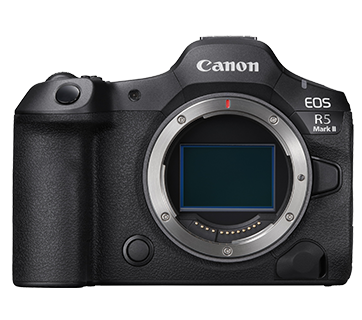
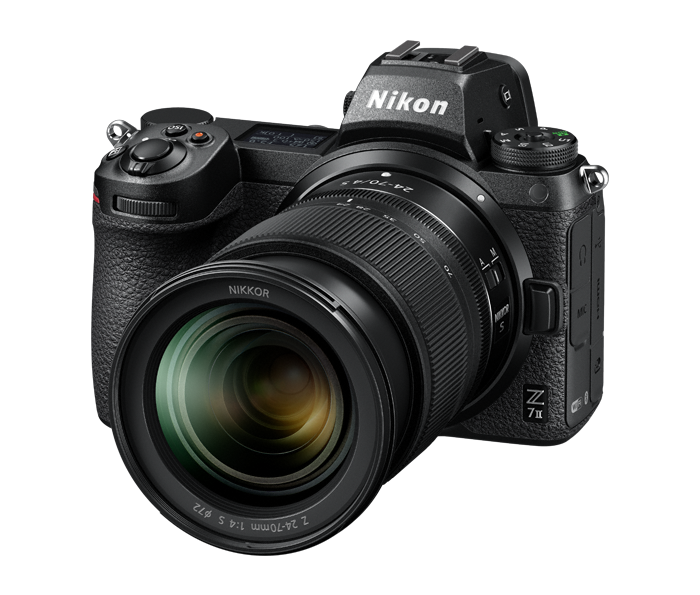
The Canon EOS R5 Mark II and Nikon Z7 II are two highly regarded mirrorless cameras that cater to professional photographers and enthusiasts alike. With their advanced features and exceptional image quality, these cameras are often compared by buyers looking to invest in high-performance photography equipment. The key differentiators between these two models include their megapixel counts, autofocus capabilities, stabilization systems, and pricing, making each suitable for different types of users and shooting scenarios.
Specifications Comparison
Detailed Comparison
Image Quality
Both the Canon EOS R5 Mark II and Nikon Z7 II feature full-frame sensors that deliver stunning image quality, yet there are some nuances worth noting. The R5 Mark II sports a 45-megapixel sensor, offering a slight edge in resolution compared to Z7 II's 46-megapixel count. However, the real distinction lies in their ISO performance: the R5 has a native ISO range of 100-51200, compared to the Z7 II's 64-25600, which can expand to 32-102400. The Canon's superior dynamic range and low light capabilities may give it an advantage in challenging lighting conditions, while both devices produce excellent images in standard conditions. Ultimately, users prioritizing high-resolution images in varying lighting conditions may find their answer with the R5 Mark II.
Autofocus System
The autofocus performance is another critical factor for buyers. The Canon EOS R5 Mark II boasts an impressive 5850 AF points, vastly outpacing the Nikon Z7 II's 493 points. This extensive autofocus coverage allows the R5 Mark II to excel in tracking fast-moving subjects, making it particularly suitable for sports and wildlife photography. Moreover, Canon's Dual Pixel technology enhances focus speed and accuracy, especially in low-light environments. Although the Nikon Z7 II still offers solid focusing capabilities and decent performance with its hybrid AF system, the marked difference in AF points provides Canon a distinct advantage for users needing advanced autofocus.
Video Capabilities
When it comes to video capabilities, the Canon EOS R5 Mark II takes the lead with its ability to shoot at up to 30 fps, significantly surpassing the 10 fps of the Nikon Z7 II. Additionally, the R5 Mark II offers 8K video capabilities, providing future-proof options for videographers who may want to shoot in ultra-high-definition formats. In contrast, while the Z7 II offers reliable 4K recording at 60p, it lacks the versatility and higher framerate alternatives found in Canon's offering. The R5 Mark II's superior video specs make it a better choice for filmmakers and content creators looking for high-quality video outputs.
Build & Ergonomics
In terms of build quality, both cameras are weather-sealed, ensuring durability in outdoor conditions. The Canon EOS R5 Mark II, measuring at 138 x 98 x 88 mm and weighing 746 grams, provides a robust yet comfortable grip. However, the Z7 II, with its slightly smaller dimensions of 134 x 101 x 70 mm and lighter weight of 705 grams, may appeal to users seeking a more compact alternative without sacrificing functionality. Both cameras feature a fully articulating touchscreen, enhancing usability for photographers who shoot from varied angles. While both models score well on ergonomics, the choice largely depends on personal preference and handling comfort.
Battery & Storage
Battery life is another critical consideration, especially for users who shoot long sessions without interruptions. The Canon EOS R5 Mark II has a rated battery life of approximately 540 shots, slightly outperforming the Nikon Z7 II which offers around 420 shots per charge. Both cameras utilize similar memory card formats, with the Z7 II supporting dual card slots, while the R5 uses CFexpress and SD cards. This may be an essential feature for professionals who require high-speed data write capabilities and redundancy. While the R5 Mark II offers superior battery longevity, the Z7 II's dual card functionality could be beneficial for users needing additional reliability.
Value for Money
Price is an influential factor in decision-making for many buyers. The Canon EOS R5 Mark II is priced at $4299, which positions it as a premium option compared to the Nikon Z7 II's more accessible $2999 price tag. Though the R5 Mark II delivers advanced features and cutting-edge technology, photography enthusiasts may find considerable value in the Z7 II, especially for its slightly lower price point. This makes the Z7 II an attractive choice for those getting into high-resolution photography and videography without breaking the bank. Depending on the budget constraints and feature requirements, each camera offers its own compelling value proposition.
Lens Ecosystem
The lens ecosystem available for each camera system can heavily influence a buyer's decision. Canon's RF mount has seen rapid growth, providing an expanding selection of high-quality lenses ideal for various photography styles. Furthermore, existing Canon users find an easier transition with the RF mount when upgrading from previous models. On the other hand, Nikon's Z mount also offers an impressive selection of lenses, with a focus on high-quality optics that cater to diverse photographic needs. Both brands have seen significant investment in their lens lineups; thus, the final choice may depend largely on personal preferences regarding specific lenses or existing equipment from either system. Ultimately, both ecosystems provide enough variety for users to find suitable options.
Our Verdict
In this comprehensive comparison, the Canon EOS R5 Mark II emerges as the overall winner, especially for those focused on cutting-edge technology and superior autofocus features. It excels in aspects critical to professionals, such as video capabilities, image quality, and autofocus performance. However, the Nikon Z7 II holds its ground exceptionally well in terms of value for money, making it a worthy option for those who prioritize budget constraints without sacrificing quality in photography or usability. Each camera serves unique user needs, emphasizing the importance of aligning features with personal shooting styles for an informed decision.
Canon EOS R5 Mark II
Nikon Z7 II
Also Compare
Frequently Asked Questions
Which camera is better for low light photography?
The Canon EOS R5 Mark II is better for low light photography due to its higher ISO range and better dynamic range performance, giving users more flexibility in challenging lighting conditions.
Is the video quality better on the Canon or Nikon?
The Canon EOS R5 Mark II offers superior video quality options, including 8K recording capabilities and higher frame rates, making it a better choice for videographers.
Which camera has better autofocus capabilities?
The Canon EOS R5 Mark II has a much larger autofocus point count (5850) compared to the Nikon Z7 II's 493 points, providing significantly better tracking and focusing capabilities.
How do the battery lives compare?
The Canon EOS R5 Mark II has a better battery life of approximately 540 shots compared to the Nikon Z7 II's 420 shots, making it a more suitable option for extended shoots.
What about the lens options for each camera?
Both camera systems have a robust lens ecosystem; however, Canon's RF mount is growing rapidly, offering a wider selection of specialized lenses. Nikon's Z mount also has high-quality lenses, but users should assess which specific options meet their needs best.