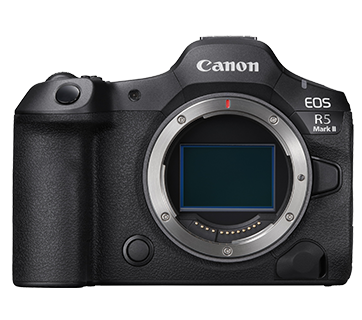
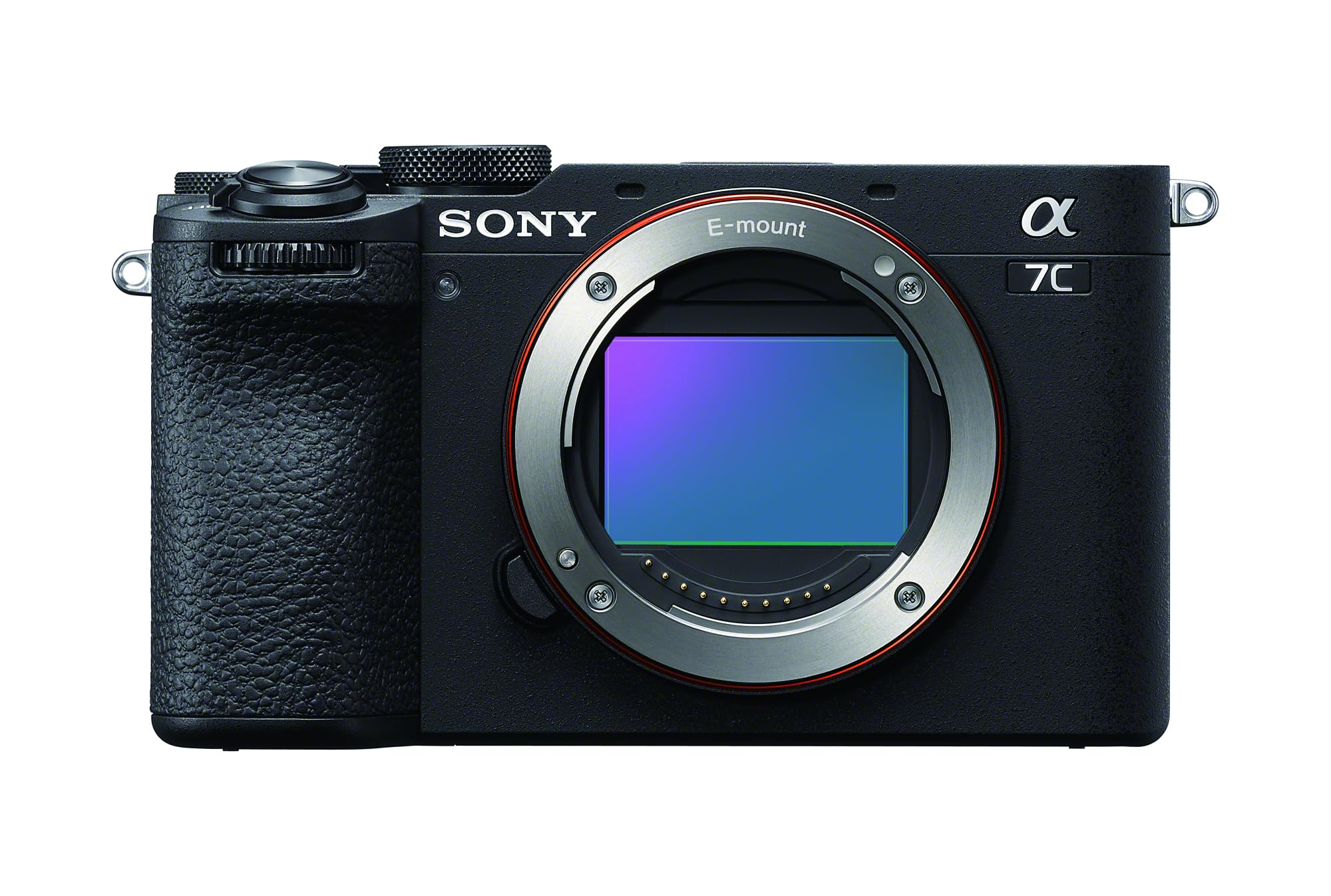
The Canon EOS R5 Mark II and the Sony A7C II are two powerful contenders in the full-frame mirrorless camera market, appealing to both photographers and videographers seeking high-quality performance in a compact format. Buyers often find themselves choosing between these two models due to their advanced features, exceptional image quality, and the shifting landscape of mirrorless technology. The Canon EOS R5 Mark II, having been released in 2024, aims to push the boundaries of image resolution and speed, whereas the Sony A7C II, released in 2023, offers a balance of portability, affordability, and impressive capabilities, making it a strong choice for enthusiasts and professionals alike.
Key differentiators between the two cameras include the Canon's higher megapixel count, superior autofocus capabilities, and robust video features, while the Sony emphasizes a lighter build, enhanced low-light performance, and an extensive lens ecosystem. Understanding these distinctions can greatly aid buyers in making an informed decision based on their specific needs and preferences.
Specifications Comparison
Detailed Comparison
Image Quality
The Canon EOS R5 Mark II boasts an impressive 45 megapixels, providing exceptional detail and resolution, which makes it an ideal choice for landscape, studio, and commercial photographers who require high-quality images. Its full-frame sensor measures 36 x 24 mm, contributing to superior depth of field control and dynamic range. The ISO range of 100-51200 allows for flexibility in various lighting conditions, ensuring vibrant colors and low noise levels even at higher sensitivities.
In comparison, the Sony A7C II features a lower resolution at 33 megapixels with a slightly smaller full-frame sensor of 35.6 x 23.8 mm. This reduction in pixel count can affect detail retention in very large prints but is still capable of producing high-quality images suitable for most applications. The A7C II's ISO capability expands further, allowing it to reach up to 204800, which could be advantageous in extreme low-light situations, although image quality may degrade at these higher settings.
While both cameras deliver excellent image quality, the Canon's higher resolution and superior dynamic range may be more appealing for those prioritizing print work and detailed landscape photography. Overall, for sheer image quality, the Canon takes the lead.
Autofocus System
Autofocus performance is crucial for capturing sharp images, and here the Canon EOS R5 Mark II shines with its 5850 autofocus points, providing extensive coverage across the frame. This sophisticated system utilizes deep learning technology to track subjects accurately, making it an excellent choice for action photography and wildlife enthusiasts who often capture fast-moving subjects. The fast processing allows for up to 30 frames per second in continuous shooting mode, ensuring that users can keep up with dynamic scenes.
In contrast, the Sony A7C II features 759 autofocus points, which also provide impressive coverage and rapid subject tracking. Although the A7C II's max frame rate of 10 fps is lower than the R5 Mark II, it still performs effectively for most scenarios, especially for casual shooting and events. Sony's Real-Time Eye AF technology offers solid performance for capturing portraits, maintaining sharp focus on the eyes of subjects.
While both cameras possess advanced autofocus systems, the R5 Mark II's higher number of AF points and superior continuous shooting capabilities make it a better choice for professionals who need precision and speed. This section leans towards the EOS R5 Mark II as the primary winner.
Video Capabilities
The Canon EOS R5 Mark II is a powerhouse for video production, offering up to 8K video recording capabilities along with 4K at 120p. Its advanced video features include 10-bit 4:2:2 internal recording and support for Canon Log, making it highly versatile for filming professional-grade content. This camera's IBIS (In-body Image Stabilization) of 8.5 stops further enhances video integrity, allowing for smooth handheld shooting in various circumstances.
On the other hand, the Sony A7C II supports 4K video up to 60 fps, which is excellent for typical videography needs but doesn't quite match the ultra-high-resolution capabilities of the R5 Mark II. The stabilization system in the A7C II offers 7 stops of shake correction, which, while effective, is not as robust as Canon's offering.
While both cameras cater well to videographers, the R5 Mark II's advanced features and higher resolution indicate a stronger orientation toward professional use. Therefore, for those prioritizing video capabilities, the Canon EOS R5 Mark II takes the edge.
Build & Ergonomics
In terms of build quality, both the Canon EOS R5 Mark II and Sony A7C II are weather-sealed, making them resilient options for shooting in various environmental conditions. The R5 Mark II's dimensions of 138 x 98 x 88 mm result in a slightly bulkier presence compared to the A7C II's compact size of 124 x 71 x 63 mm. Photographers who prioritize portability may find the smaller and lighter Sony more appealing, especially for travel and street photography.
However, the Canon's larger grip offers enhanced ergonomics, which can be particularly beneficial for longer shooting sessions and when using larger lenses. The difference in weight is notable - the Canon weighs 746g, while the Sony weighs just 514g, making the A7C II a standout choice for those who prioritize lightweight design.
Ultimately, this category presents a trade-off where the Canon excels in comfort and handling, while the Sony leads in portability. Therefore, this section narrows down to a tie, as the preference depends on individual use cases.
Battery & Storage
Both the Canon EOS R5 Mark II and Sony A7C II have similar battery life, rated at approximately 540 shots per charge. This provides sufficient power for most shooting days, though users engaged in intensive shooting may want to consider having spare batteries on hand.
When it comes to storage options, the R5 Mark II features dual card slots, allowing users to utilize both CFexpress and SD cards. This flexibility is particularly beneficial for those capturing high-resolution images or extensive video content, providing redundancy and extended storage capabilities. In contrast, the Sony A7C II features a single card slot that supports SD cards, which, while functional, limits users who require dual storage options for backup while shooting.
The dual card slots of the Canon coupled with robust storage options give it the edge in this category, making it favorable for professional photographers and videographers who work under pressure and need reliable data management. Hence, the Canon wins this section.
Value for Money
When comparing price points, the Canon EOS R5 Mark II is positioned at $4299, making it a significant investment for serious photographers and videographers who demand top-tier performance and features. The high megapixel count, exceptional build quality, and comprehensive video capabilities justify the pricing for many, especially those who will leverage these features in a professional setting.
On the other hand, the Sony A7C II is priced at $2200, appealing to a broader range of consumers, including enthusiasts and hobbyists who require solid performance without breaking the bank. While it may lack some high-end features of the R5 Mark II, the A7C II still delivers excellent image quality, video capabilities, and autofocus performance for its price point, making it a viable alternative for those on a budget.
Thus, when assessing overall value, the A7C II presents a more accessible entry point into full-frame photography and videography, making it attractive to more casual users. Therefore, this section leans heavily toward the Sony A7C II.
Our Verdict
In the overall comparison, the Canon EOS R5 Mark II emerges as the winner due to its superior image quality, advanced autofocus capabilities, and robust video features. Professionals seeking a high-performance camera for demanding environments will find the R5 Mark II an excellent investment. However, the Sony A7C II also holds its ground with great value for money and portability, making it a prime choice for enthusiasts and content creators who may not need the full suite of features offered by the R5 Mark II. Each camera has its strengths, making the final choice heavily reliant on individual requirements and photography or filming needs.
Canon EOS R5 Mark II
Sony A7C II
Also Compare
Frequently Asked Questions
Which camera is better for low light photography?
While both cameras perform well in low light, the Sony A7C II has an extended ISO range up to 204800, offering more flexibility for extreme conditions. However, the R5 Mark II's higher resolution can result in more detailed low-light images.
Does the R5 Mark II have better video capabilities than the A7C II?
Yes, the R5 Mark II supports 8K video and offers superior internal recording options, making it the better choice for professional video production compared to the A7C II, which supports 4K up to 60 fps.
Which camera is more compact and lightweight?
The Sony A7C II is significantly lighter and more compact than the R5 Mark II, making it ideal for travel photographers and those who prioritize carrying lighter gear.
What are the differences in autofocus performance?
The Canon EOS R5 Mark II has more autofocus points (5850 vs. 759) and performs better for high-speed photography, while the Sony A7C II also provides strong tracking capabilities but at a lower frame rate.
Is the Canon EOS R5 Mark II worth the extra cost?
For professional users who require top-tier features such as high megapixel count, 8K video capability, and superior autofocus, the R5 Mark II's price is justified. However, for casual users, the Sony A7C II provides excellent performance at a more accessible price.