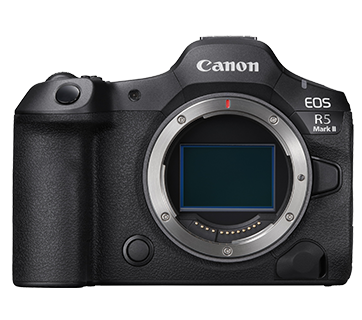
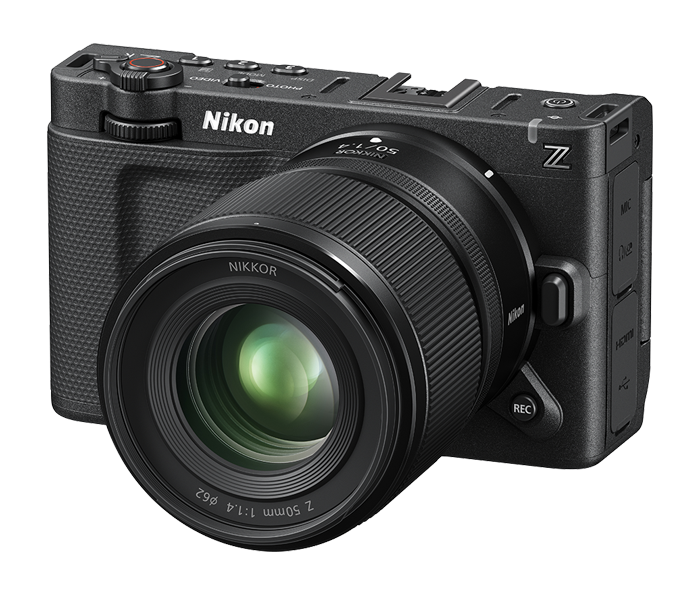
The Canon EOS R5 Mark II and Nikon ZR are two highly regarded mirrorless cameras that have garnered significant attention among photographers and videographers alike. As both brands have been popular choices for professional-level equipment, these cameras cater to different user needs and preferences. Buyers might find themselves choosing between these two models based on their performance in various aspects, such as image quality, autofocus, and overall ergonomics. Importantly, while they share some similarities, discerning photographers will note key differentiators that can heavily influence their purchase decisions.
Specifications Comparison
Detailed Comparison
Image Quality
The Canon EOS R5 Mark II features a full-frame sensor with a high resolution of 45 megapixels, allowing for outstanding detail and precision in images. This is particularly beneficial for professional photographers who require high-resolution files for large prints or extensive cropping. The ISO range extends from 100 to 51200, offering excellent low-light capabilities and overall image performance across various lighting conditions. In comparison, the Nikon ZR, with its 25 megapixel full-frame sensor, provides a respectable image quality but falls short in resolution. However, the ZR pushes the ISO range further with a maximum limit of 64000, making it a solid choice for challenging lighting environments.
Overall, the R5 Mark II's higher megapixel count gives it an advantage in image quality, particularly in controlled conditions, while the ZR could perform better in extreme low light scenarios due to its more extensive ISO range. It ultimately depends on the user's specific needs for resolution versus low-light performance.
Autofocus System
The Canon EOS R5 Mark II boasts a highly advanced autofocus system with 5850 autofocus points, providing a high degree of precision and tracking ability. Such a robust autofocus performance is especially beneficial for action photography, where capturing fast-moving subjects is critical. The camera's dual pixel autofocus technology further enhances its capabilities, ensuring exceptional focus accuracy in both still photography and video.
In contrast, the Nikon ZR features 273 autofocus points, which, while adequate, does not match the extensive coverage of the R5 Mark II. Although it employs advanced autofocus algorithms, including subject detection, the performance cannot compete with the breadth and speed found in Canon's offering. Therefore, for users prioritizing cutting-edge autofocus technology, particularly in dynamic shooting scenarios, the R5 Mark II is the clear winner.
Video Capabilities
The Canon EOS R5 Mark II stands out as a powerhouse for videographers, supporting 8K video recording at up to 30 fps and 4K at speeds of up to 120 fps. This makes it an exceptional choice for filmmakers looking for high-resolution and high-frame-rate options. Additionally, the inclusion of 10-bit 4:2:2 internal recording further enhances its skills in color grading and post-production flexibility.
On the other hand, the Nikon ZR performs well in video but lags behind the R5 Mark II. With a maximum video resolution of 4K and a frame rate cap of 60 fps, it may still appeal to casual videographers or those not requiring the top-tier specifications. However, serious filmmakers might find it limiting compared to the extensive video capabilities offered by the Canon model. In summary, the video features strongly favor the R5 Mark II.
Build & Ergonomics
Both the Canon EOS R5 Mark II and Nikon ZR are constructed with weather-sealed bodies, making them suitable for outdoor shooting in different climates. However, the R5 Mark II is slightly heavier at 746g compared to the ZR's 630g, which might influence mobility for some users. The Canon also sports a larger grip and more customizable buttons, catering well to ergonomics for prolonged use.
The ZR, while lighter and more compact, may not feel as balanced when using larger lenses. Nonetheless, the larger 4-inch touchscreen on the ZR displays 3,070,000 dots, providing more clarity and detail for image review compared to the R5 Mark II's 3.2 inches at 2,100,000 dots. Overall, both cameras excel in build quality but serve different preferences; those who value weight might lean towards the ZR, while ergonomic features might draw users to the R5 Mark II.
Battery & Storage
The Canon EOS R5 Mark II holds an advantage in battery performance, with a capacity to capture approximately 540 shots per charge. This longevity is crucial for photographers who spend long hours shooting without immediate access to charging facilities. It also offers dual card slots for expanded storage and backup options, thus catering to professional workflows that require reliability and speed.
In contrast, the Nikon ZR demonstrates shorter battery life specifications, though exact shot counts are less emphasized. It features a single card slot, which could be limiting for high-volume shooters. Therefore, for users concerned with battery duration and storage capabilities, the R5 Mark II is the preferred choice for professional use.
Value for Money
In terms of pricing, the Canon EOS R5 Mark II commands a higher price at $4299 compared to the Nikon ZR's $2200. This significant price difference reflects the advanced features and specifications found in the R5 Mark II, justifying its position as a high-end professional camera. For professional photographers seeking peak performance, the investment in the R5 Mark II may be well worth it.
Conversely, the Nikon ZR appeals to enthusiasts and semi-professionals who require a capable camera without the steep price tag. It offers solid performance for general photography and video, especially in everyday situations. Thus, while it ultimately comes down to budget, those looking for comprehensive support across various photographic disciplines may find better value in the R5 Mark II, whereas budget-conscious shooters might view the ZR as a great deal for its class.
Our Verdict
The Canon EOS R5 Mark II emerges as the overall winner due to its superior image quality, advanced autofocus system, and exceptional video capabilities. It is particularly suited for professional photographers and videographers who demand high performance and versatility. On the other hand, the Nikon ZR serves as a formidable option for casual users or enthusiasts who prioritize lower costs and decent performance without needing the top-tier specifications. Ultimately, the choice will depend on the specific needs and budget of the buyer.
Canon EOS R5 Mark II
Nikon ZR
Also Compare
Frequently Asked Questions
Which camera is better for low light photography?
The Nikon ZR has a higher maximum ISO of 64000, making it better in extreme low light situations. However, the Canon R5 Mark II's higher megapixel count can perform better in moderate light conditions.
Is video performance better in Canon EOS R5 Mark II or Nikon ZR?
The Canon EOS R5 Mark II excels in video capabilities, offering 8K video recording and higher frame rates, making it the superior choice for filmmakers.
Which camera is more suitable for beginners?
The Nikon ZR is more affordable, making it an attractive option for beginners not looking to invest too heavily at first, while still offering solid features.
How does battery life compare between the two models?
The Canon EOS R5 Mark II has a longer battery life, rated for about 540 shots, compared to the Nikon ZR, which has less emphasis on battery capacity.
What lens ecosystem is available for each camera?
Both cameras have strong ecosystem support: Canon RF lenses (R5 Mark II) and Nikon Z lenses (ZR), with a growing selection of options for each brand.