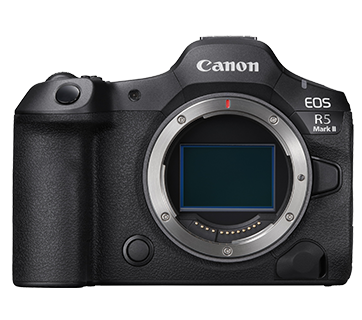
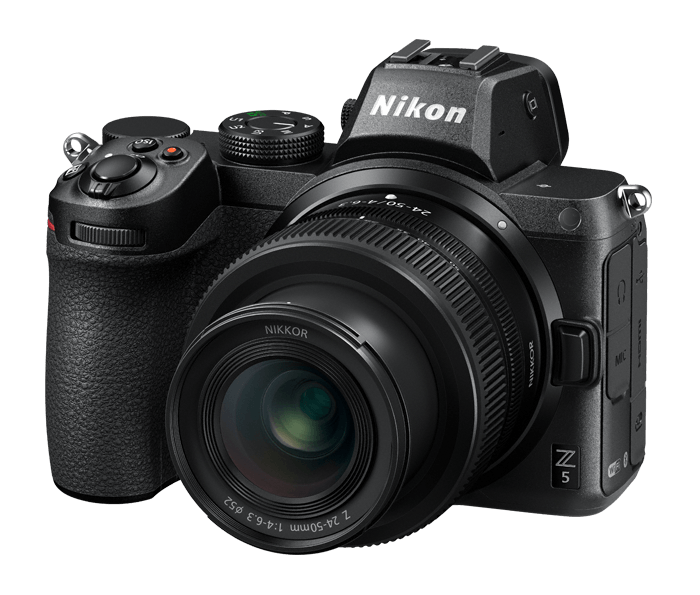
The Canon EOS R5 Mark II and the Nikon Z5 are both compelling options within the full-frame mirrorless segment, attracting photographers and videographers alike. The EOS R5 Mark II, slated for release in 2024, offers advanced features geared towards professional users, while the Z5, released in 2020, serves as a more accessible entry point into full-frame photography. Buyers frequently find themselves torn between these cameras based on budget, use case, and required functionality, making a thorough comparison essential.
Key differentiators between the two models include sensor resolution, autofocus capabilities, and video features. The R5 Mark II boasts a significantly higher megapixel count and advanced autofocus technology, designed for high-resolution photography and fast-paced shooting. Meanwhile, the Z5 serves as a robust, budget-friendly alternative that still delivers excellent quality, particularly suitable for enthusiasts and those making their first foray into full-frame photography and videography.
Specifications Comparison
Detailed Comparison
Image Quality
The Canon EOS R5 Mark II excels in image quality due to its 45-megapixel full-frame sensor, capturing more detail than the Z5's 24-megapixel sensor. This higher resolution allows for larger prints and better cropping capabilities without sacrificing image clarity. Additionally, the R5 Mark II has an ISO range that, while comparable at lower levels, offers more versatility at higher settings, making it ideal for low-light situations.
The Z5, though lower in resolution, still produces excellent images and is capable of delivering beautiful colors and dynamic range thanks to its full-frame technology. For users focused on everyday photography or those who primarily share images online, the 24-megapixels may suffice. However, professional or serious hobbyist photographers who require the utmost detail and quality in their images are likely to be more satisfied with the R5 Mark II's performance.
In terms of real-world application, the R5 Mark II's superior image quality can be pivotal for commercial work, landscapes, and wildlife photography where detail retention is paramount. The Z5, while lagging in resolution, is still suitable for portrait, street, and general photography. Overall, the R5 Mark II takes the lead in this aspect.
Autofocus System
Autofocus is one of the most critical features in modern cameras, and here, the Canon EOS R5 Mark II again outshines its competitor. With an impressive 5850 autofocus points, the R5 Mark II employs advanced technologies such as Dual Pixel AF to achieve rapid and accurate focusing, crucial for fast-paced shooting environments. This autofocus system supports eye-detection for both humans and animals, making it a preferred choice for wildlife and portrait photographers.
In contrast, the Nikon Z5 offers a respectable 273 autofocus points with solid performance suitable for a variety of shooting scenarios. While its autofocus system includes face and eye detection, it may not match the speed and accuracy levels that the R5 Mark II can achieve. The Z5 still performs well, particularly for casual use and some professional applications, but it might not be reliable in complex focusing situations.
For sports or wildlife photographers, where quick and precise autofocus is essential, the R5 Mark II clearly stands out. The Z5, while adequate for many situations, may leave professionals wanting when the action intensifies. Thus, the R5 Mark II takes this round as well.
Video Capabilities
When it comes to video performance, the Canon EOS R5 Mark II is a powerhouse, offering up to 8K video recording at 30 frames per second and 4K at an impressive 120 fps. This makes it an exceptional option for videographers seeking high-resolution footage and advanced features like C-Log for color grading.
In comparison, the Nikon Z5 is limited to 4K recording at 30p, which, while still valuable for many users, may not meet the needs of those producing high-end video content. The Z5 also lacks some of the advanced frame rates found in the R5 Mark II, which can hinder creative shooting in specific scenarios.
Given the growing trend towards video content creation, the R5 Mark II's capabilities are a significant advantage for those whose work or hobbies include videography. The Z5 serves well for casual videographers but is not on the same level as the R5 Mark II. This put the Canon easily in the lead for those focused on video work.
Build & Ergonomics
Both the Canon EOS R5 Mark II and Nikon Z5 are well-constructed and weather-sealed, making them suitable for outdoor photography. However, the differences in dimensions and weight play a substantial role in user experience. The R5 Mark II is slightly larger and heavier at 746g, providing a more substantial feel, which can help with stability during handheld shooting. Its larger grip may benefit users with bigger hands or those who prefer a more ergonomic hold.
The Z5, while lighter at 675g, offers a more compact option and is easier to carry for extended periods, making it suitable for travel and street photography. Its size does not compromise its build quality and offers a professional feel that aligns well with Nikon's design philosophy.
Ultimately, the choice between the two may come down to personal preference regarding handling and ergonomics. Users who prioritize a robust and stable feel might prefer the R5 Mark II, while those favoring portability may lean toward the Z5. It's a close competition in this section, leading to a tie.
Battery & Storage
Battery life is a critical factor for any photographer, and here, the Canon EOS R5 Mark II leads slightly with a rating of 540 shots per charge, compared to the Nikon Z5's 470 shots. This difference could be significant when shooting all day without the opportunity to recharge. Both cameras use their respective proprietary batteries, making the choice of spare batteries important for extended shoots.
Regarding storage, both cameras utilize dual card slots, but the EOS R5 Mark II can handle CFexpress cards in addition to SD UHS-II cards, giving it a faster data write speed, thus enhancing burst shooting and 8K video capabilities. The Z5, while also supporting dual SD cards, does not match the speed provided by CFexpress and might limit high burst shooting performance and large file handling in certain scenarios.
Therefore, the R5 Mark II takes the advantage in battery life and storage flexibility, making it a more robust choice for demanding photographers looking at long sessions or high-resolution media.
Value for Money
Here's where the Nikon Z5 shines as it is priced considerably lower at $1399 compared to the Canon EOS R5 Mark II at $4299. For many, especially casual photographers or those just starting, the Z5 presents a very compelling case with its full-frame sensor and solid overall performance, hitting the sweet spot for value versus capability.
With the more affordable price, the Z5 allows users to invest in lenses or accessories, which could be advantageous for those just building their systems. It also serves well for those who may not need the high-end features offered by the R5 Mark II.
Conversely, the R5 Mark II, while significantly more expensive, offers advanced features that are best suited for professional use or specific scenarios where the higher performance justifies the price tag. Overall, for most entry-level to mid-range users, the Nikon Z5 provides better value for money, making it a worthy contender for this section.
Our Verdict
Overall, while both cameras have their unique strengths, the Canon EOS R5 Mark II is the clear winner due to its superior image quality, autofocus system, and video capabilities, making it the ideal choice for professional photographers and videographers. The Canon's higher price can be justified by its advanced features, which are significant for those working in demanding environments. On the other hand, the Nikon Z5 serves as an excellent entry-level full-frame option, providing tremendous value for hobbyists and those who require a reliable camera without breaking the bank. Ultimately, your choice should depend on budget, intended use, and the importance of high-end features.