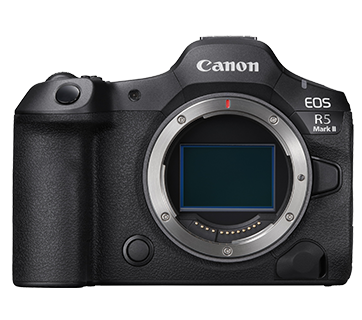
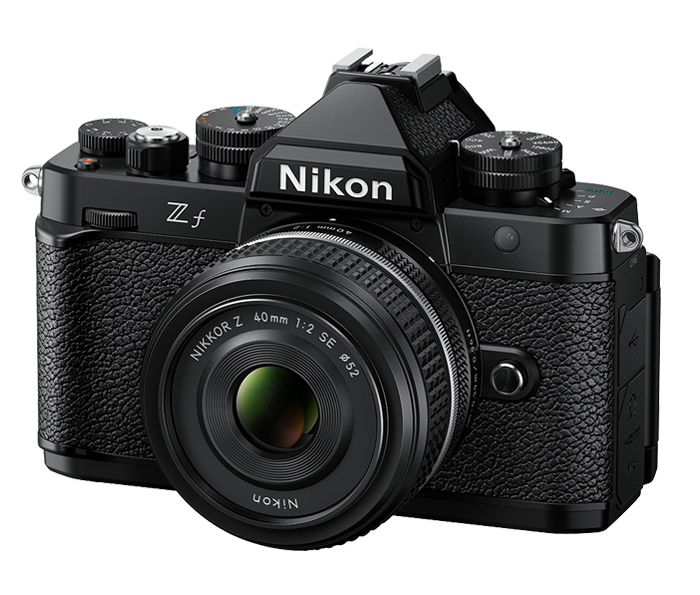
The Canon EOS R5 Mark II and Nikon Zf are two of the most anticipated full-frame mirrorless cameras on the market, catering to photographers and videographers who demand high performance. The R5 Mark II is positioned as a flagship model with a high-resolution sensor and impressive features, making it attractive for professionals. In contrast, the Nikon Zf offers a more budget-friendly solution with a focus on usability and retro-inspired design, appealing to enthusiasts and those looking for a capable full-frame camera without breaking the bank. This comparison will highlight key differentiators such as image quality, autofocus systems, video capabilities, and overall value, helping potential buyers assess which camera best fits their needs.
Specifications Comparison
Detailed Comparison
Image Quality
On the other hand, the Nikon Zf features a 25-megapixel sensor, which, while still capable of producing stunning images, may not match the fine detail and flexibility offered by the R5 Mark II. The Zf's sensor is optimized for quick shooting scenarios, as its lower megapixel count can produce less noise at high ISO levels; however, its maximum ISO range (which has not been explicitly stated) typically falls short compared to Canon's offering.
Autofocus System
In contrast, the Nikon Zf's 273 autofocus points, while competent, simply do not match the expansive coverage and responsiveness of Canon's system. While the Zf's autofocus is still quite viable for most photography situations, users in fast-paced environments may find it lagging behind the competition. Thus, for those prioritizing autofocus, the R5 Mark II stands out as the clear leader.
Video Capabilities
In comparison, the Nikon Zf offers 4K video recording at up to 60p, which is more than sufficient for standard video production needs but does not reach the same high-resolution benchmarks as the R5 Mark II. While the Zf is a capable option for video enthusiasts, it may be more limited for advanced videography compared to Canon's comprehensive features.
Build & Ergonomics
The Nikon Zf, on the other hand, is slightly lighter at 710 grams but has a bulkier size due to its retro design influences. While some users may prefer the nostalgic feel of the Zf, others might find the modern ergonomics of the R5 Mark II to be more suitable for extensive shooting sessions. Ultimately, both cameras offer excellent build quality but cater to slightly different preferences in terms of comfort.
Battery & Storage
The Nikon Zf, with a battery life of around 380 shots, may require users to be more strategic about their usage, especially during intensive shooting sessions. Furthermore, the Canon model supports faster CFexpress cards in addition to SD UHS-II cards, offering quicker write speeds essential for high-resolution and high-burst rate shooting. While the Zf supports dual SD card slots for redundancy, it does not reach the same level of performance as the R5 Mark II.
Value for Money
However, the Nikon Zf represents considerable value for enthusiasts or hobbyists who seek a capable full-frame camera without the additional costs associated with professional standards. It delivers impressive features and performance for its price, appealing to those who wish to capture high-quality images without the steep investment of a flagship model. Thus, the choice reflects the buyer's budget and intended usage level.
Our Verdict
Overall, the Canon EOS R5 Mark II emerges as the winner due to its superior image quality, advanced autofocus system, and impressive video capabilities, making it the ideal choice for professionals and serious enthusiasts. Although the Nikon Zf offers commendable performance at a more attractive price point, catering well to enthusiasts and casual users, it lacks some of the technological advancements that define Canon's flagship model. Buyers should consider their shooting needs and budget-those invested in professional work will likely find the R5 Mark II more suited to their demands, whereas those looking for affordability without excessive features may find their match in the Nikon Zf.
Canon EOS R5 Mark II
Nikon Zf
Also Compare
Frequently Asked Questions
Which camera is better for vlogging?
For vlogging, the Canon R5 Mark II is preferable due to its superior video resolution and frame rates. However, the Zf offers decent features suitable for casual vlogging.
How does low-light performance differ?
The R5 Mark II's higher megapixel count and wider ISO range make it better for low-light photography, while the Zf may exhibit more noise when pushed to higher ISOs.
Are there differences in lens availability?
Both brands offer a wide range of lenses, but Canon's RF lineup is more extensive, especially with options catering to high-end professional needs compared to Nikon's Z lineup.
Which camera supports faster shooting speeds?
The Canon R5 Mark II allows for up to 30 frames per second, far surpassing the Zf's 14 frames per second, making it a top choice for action photography.
How does the weather sealing hold up in real-world conditions?
Both cameras feature weather sealing; however, the Canon R5 Mark II is particularly praised for its durability under challenging weather conditions, giving it a slight edge in this category.